Strategists Urge Faster Bank of Japan Rate Hikes as Yen Pressure Persists
Key Takeaways
- What happened
- The Bank of Japan raised interest rates on Tuesday, a move that was already over 90% priced in by market participants.
- Location
- Japan
- Key points
-
- The divergence between the Bank of Japan's cautious approach and market expectations highlights…
- Bank of Japan raised rates Tuesday
- Strategists expect the yen and government bonds to remain under pressure.
- Local impact
- For Greater Vancouver real-estate readers, the Bank of Japan's monetary policy shifts are a peripheral but relevant macroeconomic factor. Japan has historically been a source of low-cost funding for global investors, including those in Canadian real estate. For Metro Vancouver buyers, sellers, developers and investors, watch financing cost, transaction pace, supply mix and policy expectations.
- Who should watch
- - Monitor global liquidity conditions as Japanese rates rise, which may affect international investment flows into Canadian assets.



What Happened
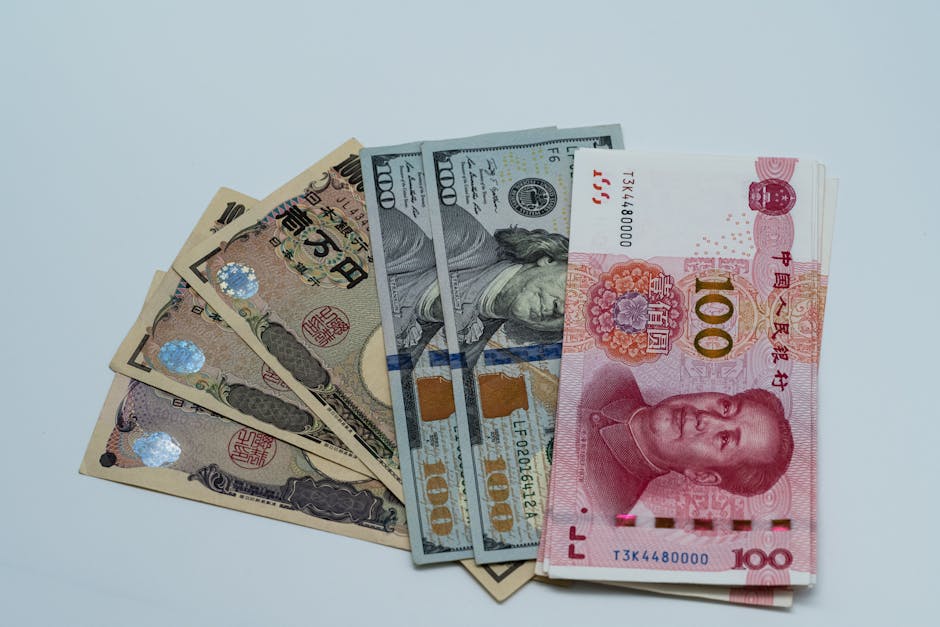
The Bank of Japan raised interest rates on Tuesday, a move that was already over 90% priced in by market participants. Following the decision, strategists from Lombard Odier and Gaitame.com Research Institute noted that the yen and government bonds remain under pressure despite Japan's stocks finding support. Homin Lee, a strategist at Lombard Odier, stated that the new guidance for JGB purchases in FY 2027 strikes a balance between quantitative tightening needs and bond market stability. Takuya Kanda, a senior FX analyst at Gaitame.com Research Institute, indicated that market participants feel the current rate hike pace is too gradual and that the Bank of Japan needs to raise rates at a faster pace. The next rate hike is likely to occur in December 2026.
Why It Matters
The divergence between the Bank of Japan's cautious approach and market expectations highlights ongoing tension in Japanese monetary policy. While the central bank aims to balance quantitative tightening with stability, the persistent pressure on the yen suggests that investors are seeking stronger signals of resolve. This dynamic influences global capital flows, as higher Japanese rates can reduce the attractiveness of carry trades and impact liquidity in global markets.
Local Vancouver / Burnaby Context
For Greater Vancouver real-estate readers, the Bank of Japan's monetary policy shifts are a peripheral but relevant macroeconomic factor. Japan has historically been a source of low-cost funding for global investors, including those in Canadian real estate. A faster pace of rate hikes in Japan, as urged by strategists, could tighten global liquidity conditions and increase borrowing costs for international capital. However, the primary drivers of Vancouver and Burnaby housing markets remain local supply constraints, domestic mortgage rates, and local zoning policies rather than Japanese monetary policy.
Market Impact
The potential for faster rate hikes in Japan may contribute to volatility in global currency and bond markets. For the Canadian real estate sector, this could mean slightly tighter global financing conditions, though the direct impact on local mortgage rates is limited by Bank of Canada policy. The focus for investors remains on how global risk sentiment shifts in response to Japanese monetary normalization.
Investor / Buyer Takeaway
- Monitor global liquidity conditions as Japanese rates rise, which may affect international investment flows into Canadian assets.
- Recognize that local Vancouver and Burnaby housing fundamentals are driven by domestic supply and demand, not Japanese monetary policy.
- Be aware that currency fluctuations between the yen and the Canadian dollar can impact the cost of imported construction materials.
- Watch for further Bank of Japan guidance in FY 2027 regarding JGB purchases, which may signal broader market trends.
- Focus on local interest rate trends and housing inventory levels for immediate buying or selling decisions.
Builder / Developer Perspective
The impact of Japanese rate hikes on local builders is indirect. While global financing costs may rise slightly, Canadian developers primarily rely on domestic debt markets and local equity. The key concern for builders remains local construction costs, labour availability, and municipal development charges rather than foreign monetary policy.
Risk Factors
- Global liquidity tightening could increase borrowing costs for international investors in Canadian real estate.
- Currency volatility between the yen and the Canadian dollar may affect the cost of imported building materials.
- Shifts in global risk sentiment due to Japanese monetary policy changes could impact capital flows into Canadian assets.
- Local interest rate sensitivity remains the primary risk for Canadian homeowners and buyers.
- Regulatory changes in Canadian housing policy may have a more significant impact than global macroeconomic factors.
BurnabyHouse Insight
While strategists urge the Bank of Japan to act more decisively to prop up the yen, the direct relevance to Burnaby and Vancouver real estate is limited. The local market is insulated from Japanese monetary policy by domestic factors such as mortgage stress tests, zoning restrictions, and local housing supply. Investors should focus on local fundamentals rather than global macroeconomic noise, as the primary drivers of property values in Greater Vancouver remain local supply and demand dynamics.
Community
Questions, Answers & Comments
Ask a question, add context, or leave a comment. Public posts appear after review.
No public questions or comments yet. Be the first to ask.