Gordie Howe Bridge Opening Ceremony Cancelled Amid U.S.-Canada Tariff Dispute
Key Takeaways
- What happened
- The highly anticipated ribbon-cutting ceremony for the Gordie Howe International Bridge, originally scheduled for June 12, was abruptly called off due to unresolved outstanding issues between the United States and Canada.
- Location
- Detroit, Michigan
- Key points
-
- The cancellation of the Gordie Howe International Bridge ceremony underscores the fragility of…
- Ribbon-cutting ceremony slated for June 12 for Gordie Howe International Bridge
- Ceremony abruptly postponed due to unresolved outstanding issues between US and Canada
- Local impact
- While the Gordie Howe Bridge is located in the Great Lakes region, its operational delays and tariff-related disputes serve as a broader indicator of U.S.-Canada trade dynamics that can influence national economic sentiment. For Burnaby and Greater Vancouver, cross-border trade with the U.S. For Metro Vancouver buyers, sellers, developers and investors, watch financing cost, transaction pace, supply mix and policy expectations.
- Who should watch
- ['Monitor the July 21 opening date for the Gordie Howe Bridge, as its successful launch will be a key indicator of U.S.-Canada trade stability.', 'Watch for further tariff negotiations between the U.S.



What Happened
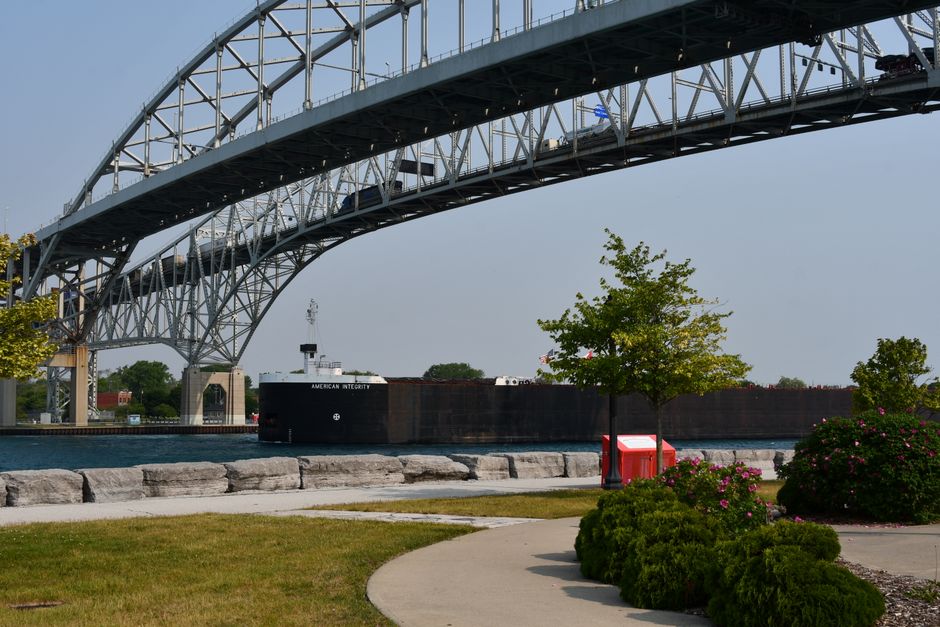
The highly anticipated ribbon-cutting ceremony for the Gordie Howe International Bridge, originally scheduled for June 12, was abruptly called off due to unresolved outstanding issues between the United States and Canada. The new crossing, which spans the Detroit River to connect Detroit, Michigan, and Windsor, Ontario, is now on track to open to traffic on July 21 under a revised revenue-sharing agreement. The delay was driven by intense negotiations over toll revenue distribution, with U.S. Commerce Secretary Howard Lutnick intervening to renegotiate the deal for a larger share of toll revenue. Earlier in February, President Donald Trump had threatened to block the opening entirely unless Canada conceded at least half ownership of the project. The postponement has quickly spilled into the Michigan Senate race, with Democratic candidate Mallory McMorrow launching ads accusing Trump of blocking the bridge to benefit a billionaire donor. McMorrow’s campaign has framed the delay as a political liability for the president, urging him to "open this damn bridge" while highlighting the economic stakes of the border crossing.
Why It Matters
The cancellation of the Gordie Howe International Bridge ceremony underscores the fragility of major North American infrastructure projects when subjected to high-level political leverage and tariff disputes. The bridge, a critical trade corridor, represents a significant investment in cross-border logistics, and its delayed operational launch impacts supply chain confidence between Detroit and Windsor. The involvement of Commerce Secretary Howard Lutnick in renegotiating toll revenue shares signals a shift toward more aggressive U.S. demands on bilateral infrastructure deals, potentially setting a precedent for future Canada-U.S. projects. Furthermore, the politicization of the bridge opening in a battleground state like Michigan highlights how infrastructure timelines can become entangled in domestic electoral strategies, affecting diplomatic relations and local economic planning.
Local Vancouver / Burnaby Context
While the Gordie Howe Bridge is located in the Great Lakes region, its operational delays and tariff-related disputes serve as a broader indicator of U.S.-Canada trade dynamics that can influence national economic sentiment. For Burnaby and Greater Vancouver, cross-border trade with the U.S. is a vital component of the regional economy, particularly for logistics, manufacturing, and tech sectors that rely on seamless border crossings. Any disruption or renegotiation of major U.S.-Canada infrastructure projects can signal increased trade friction, which may indirectly affect investor confidence in Canadian export-oriented industries. Additionally, the political fallout in Michigan could influence broader U.S. policy approaches to Canadian trade, potentially impacting tariff structures or regulatory environments that Vancouver-based businesses monitor closely. The bridge's eventual opening in July 2026 will be a key test of whether diplomatic tensions can be resolved without long-term economic damage.
Community
Questions, Answers & Comments
Ask a question, add context, or leave a comment. Public posts appear after review.
No public questions or comments yet. Be the first to ask.