Charting the Global Economy: War Pushes Up Prices, Dents Growth
Key Takeaways
- What happened
- The global economy is showing signs of wearing down as inflation pressures persist during the third month of a war-induced energy crunch.. Factory activity, as measured by S&P Global, either slowed or contracted across all indexes released on Thursday except in the UK and US.
- Location
- Global markets / U.S. / Middle East (indirect for Metro Vancouver)
- Key points
-
- The Iran war is inflicting another wave of price hikes on a global economy that is barely…
- Japan’s banks are experiencing loans growing faster than deposits due to increased borrowing.
- Switzerland’s economy grew 0.5% in the first quarter despite energy price spikes and a…
- Local impact
- Interest-rate and bond-yield moves typically affect Canadian mortgage pricing and development financing first, then Metro Vancouver purchase timing, rental returns and presale resale expectations.
- Who should watch
- - Monitor global bond yields and central bank policies, as they directly influence mortgage rates and housing affordability in Canada.
Generating audio…



What Happened
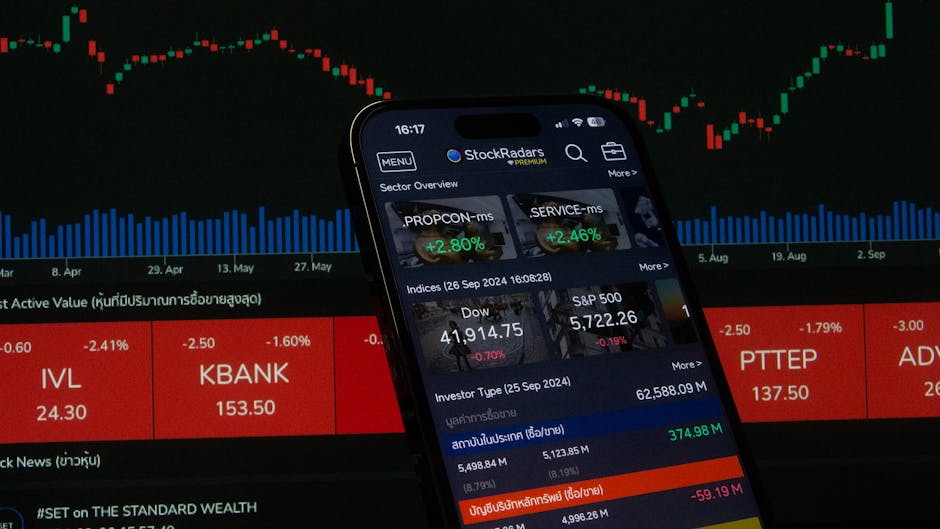
The global economy is showing signs of wearing down as inflation pressures persist during the third month of a war-induced energy crunch. Factory activity, as measured by S&P Global, either slowed or contracted across all indexes released on Thursday except in the UK and US. Long-term yields for Group of Seven sovereign bonds hit a two-decade high this week, reflecting market anxiety over the conflict's economic fallout. Manufacturing in France and Germany has entered a phase of shrinking activity, marking the worst impact on the euro zone. Meanwhile, central banks in Iceland and Indonesia have raised interest rates to combat price pressure, while Egypt, Nigeria, Ghana, Jamaica, and Paraguay kept rates unchanged. US Senator Rubio sees good news coming on the Hormuz strait as Iran talks continue, and former US President Trump said he will announce a negotiated deal with Iran shortly.
Why It Matters
The Iran war is inflicting another wave of price hikes on a global economy that is barely recovered from the last inflation spike. This creates a dilemma for policy-makers who must balance growth concerns against rising inflation. The energy shock is seeping deeper into the European economy, weighing on growth and pushing prices higher simultaneously. This environment complicates the economic outlook and fuels inflation angst among consumers and businesses.
Local Vancouver / Burnaby Context
While the immediate data focuses on Europe and global markets, the ripple effects of Middle East tensions are already impacting capital flows and currency values in Asia, including Indonesia, the Philippines, and India. For Vancouver and Burnaby residents, global energy shocks and inflation pressures can indirectly influence mortgage rates and housing affordability. Local context such as Kelowna's recent opt-out from short-term rental rules and Vancouver's 2026 outdoor pool schedules highlight ongoing local policy adjustments, but the primary driver here is the global macroeconomic shift. The US Department of Agriculture forecasted a decline in global rice production in the 2026-27 season for the first time in 11 years, adding to commodity price volatility. Japan’s banks face loans growing faster than deposits due to increased borrowing for capital investment and buyouts, signaling broader financial sector stress.
Market Impact
The energy shock is likely to increase costs for businesses and consumers globally, potentially dampening demand for real estate in sensitive markets. In Vancouver, if global bond yields remain at two-decade highs, mortgage rate sensitivity could persist, affecting buyer confidence and transaction volumes. The decline in global rice production and manufacturing contraction in key economies like France and Germany suggest supply chain pressures that could further erode household incomes and straining consumer spending power.
Investor / Buyer Takeaway
- Monitor global bond yields and central bank policies, as they directly influence mortgage rates and housing affordability in Canada.
- Be cautious of inflation-driven cost increases in construction and maintenance, which may affect property values and rental yields.
- Watch for developments in Iran negotiations, as any resolution could stabilize energy prices and reduce market volatility.
- Consider the impact of capital outflows in Asian markets on global investment flows and potential shifts in real estate investment patterns.
- Stay informed about local policy changes, such as short-term rental regulations in Kelowna, which may offer niche investment opportunities.
Builder / Developer Perspective
The contraction in manufacturing activity in France and Germany and the rise in long-term bond yields indicate a challenging environment for construction financing and material costs. Builders and developers may face higher borrowing costs and supply chain disruptions, impacting project feasibility and pre-sale strategies. The global economic wear-down suggests a need for careful risk management and contingency planning in development projects.
Risk Factors
- Persistent inflation pressures from the Iran war energy shock could lead to further interest rate hikes, increasing borrowing costs.
- Global bond market volatility and capital outflows in Asia may destabilize currency values and affect international investment.
- Manufacturing contraction in key European economies could reduce global trade and demand for Canadian exports.
- Declining global rice production and other commodity price fluctuations may increase input costs for construction and development.
- Political uncertainty surrounding Iran negotiations could prolong market volatility and economic instability.
BurnabyHouse Insight
The current global economic landscape is defined by the tension between growth concerns and inflation pressures, driven largely by the Iran war's energy shock. For Burnaby and Vancouver, this means that while local policies like Kelowna's short-term rental opt-out are notable, the broader macroeconomic environment will play a more significant role in shaping housing market dynamics. Investors and buyers should focus on how global bond yields and central bank policies will influence mortgage rates and housing affordability in the coming months.
Community
Questions, Answers & Comments
Ask a question, add context, or leave a comment. Public posts appear after review.
No public questions or comments yet. Be the first to ask.