CRA Penalties for Late Foreign Property Reporting: $25 Daily Fine and Form T1135 Rules
Key Takeaways
- What happened
- The Canada Revenue Agency is enforcing strict penalties against Canadian taxpayers who fail to file Form T1135, the Foreign Income Verification Statement, for unreported foreign property.
- Location
- Metro Vancouver
- Key points
-
- This enforcement highlights a critical gap in tax compliance for Canadians with international…
- Taxpayers fail to report foreign property.
- Taxpayers receive penalties from the Canada Revenue Agency.
- Local impact
- While this issue is national, it is particularly relevant for residents of Burnaby and Vancouver who hold international real estate or investment portfolios. Many local high-net-worth individuals and immigrants maintain assets abroad for diversification or retirement planning. For Metro Vancouver buyers, sellers, developers and investors, watch financing cost, transaction pace, supply mix and policy expectations.
- Who should watch
- ['Review your foreign asset holdings immediately to ensure the total cost amount exceeds $100,000 at any point in the tax year.', 'Do not assume zero foreign income exempts you from filing Form T1135; the threshold is based on asset cost,…
Generating audio…



What Happened
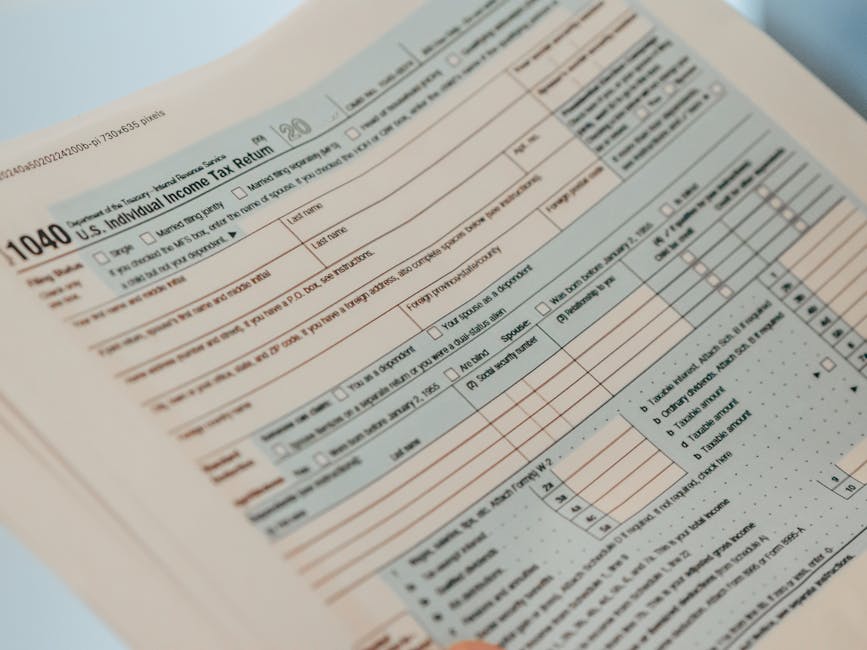
The Canada Revenue Agency is enforcing strict penalties against Canadian taxpayers who fail to file Form T1135, the Foreign Income Verification Statement, for unreported foreign property. The agency imposes a late-filing penalty of $25 per day for up to 100 days, resulting in a maximum fine of $2,500 plus arrears interest. This enforcement action targets individuals who misunderstood the reporting threshold, mistakenly believing the form was only required if they earned foreign income exceeding $100,000. In reality, the form must be filed if the total cost amount of all foreign properties exceeds $100,000 at any time during the year, regardless of whether any foreign income was generated. Taxpayers who receive these penalties have the option to pay and move on, challenge the penalty by contacting the CRA, or take the matter to federal court if relief is denied.
Why It Matters
This enforcement highlights a critical gap in tax compliance for Canadians with international assets, particularly new immigrants or those with overseas investments. The confusion often stems from the form's name and the $100,000 threshold, which relates to the cost amount of the assets rather than the income they produce. For homeowners with foreign rental properties or investment accounts, failing to file can trigger significant financial penalties that accumulate daily. Understanding the distinction between income thresholds and asset cost thresholds is essential for avoiding these fines. The CRA's stance emphasizes that mere ownership of foreign property above the cost limit triggers a reporting obligation, even if the property generates zero income.
Local Vancouver / Burnaby Context
While this issue is national, it is particularly relevant for residents of Burnaby and Vancouver who hold international real estate or investment portfolios. Many local high-net-worth individuals and immigrants maintain assets abroad for diversification or retirement planning. The confusion over Form T1135 is common among those who may not realize that foreign-held precious metals, such as gold or silver stored in vaults outside Canada, also count as foreign property requiring annual reporting. For local buyers and sellers, ensuring compliance with these international reporting rules is as important as domestic tax filings. The CRA's technical interpretations have clarified that the existence of the property itself, not just its income, is the trigger for the filing requirement.
Market Impact
The primary impact is financial liability for taxpayers with foreign assets. The daily accumulation of penalties can quickly become burdensome, especially for those who were unaware of the obligation. This may lead to increased demand for tax amnesty programs or professional tax advice to rectify past non-compliance. For the broader market, it reinforces the CRA's scrutiny of international wealth, potentially influencing how Canadians structure their overseas holdings. It does not directly impact local housing prices but affects the net worth and liquidity of individuals with foreign investments.
Investor / Buyer Takeaway
- Review your foreign asset holdings immediately to ensure the total cost amount exceeds $100,000 at any point in the tax year.
- Do not assume zero foreign income exempts you from filing Form T1135; the threshold is based on asset cost, not income.
- If you have missed filings, consider contacting the CRA for relief or exploring the federal government's tax amnesty options.
- Keep detailed records of the cost amount of all foreign properties to substantiate your filing status.
- Be aware that penalties apply even if you later become a non-resident of Canada.
Builder / Developer Perspective
This issue is primarily relevant to individual taxpayers and investors with foreign assets rather than local residential builders or developers. However, developers with international financing or overseas corporate structures must ensure their personal and corporate tax filings are compliant to avoid similar penalties. The complexity of international reporting adds a layer of administrative risk for high-net-worth individuals involved in large-scale development projects.
Risk Factors
- Daily penalty accumulation of $25 per day for late filing, capped at $2,500.
- Arrears interest on unpaid penalties and taxes.
- Potential audits if foreign assets are not reported consistently.
- Misunderstanding of the $100,000 cost threshold versus income threshold.
- Legal costs associated with challenging CRA decisions in federal court.
BurnabyHouse Insight
For Burnaby and Vancouver residents, the key takeaway is that international asset ownership carries significant reporting burdens that are often underestimated. The CRA's enforcement is not just about catching evaders but clarifying the rules for those who are confused by the form's name and thresholds. Taxpayers should proactively review their foreign holdings, including precious metals and foreign bank accounts, to ensure compliance. Ignorance of the $100,000 cost threshold is not a valid defense, and due diligence is required to demonstrate reasonable steps to comply. Staying ahead of these requirements avoids unnecessary financial penalties and legal complications.
Community
Questions, Answers & Comments
Ask a question, add context, or leave a comment. Public posts appear after review.
No public questions or comments yet. Be the first to ask.