Fuel Costs Rise in Canada as Geopolitical Turmoil Drives Up Crude Oil Prices
Key Takeaways
- What happened
- Fuel costs are rising across Canada as geopolitical tensions push crude oil prices to their highest level in over a month.. This surge follows a rally held by Houthi supporters in Sanaa, Yemen, on Friday, July 17, 2026, against the Saudi-led coalition.
- Location
- Metro Vancouver
- Key points
-
- The rise in crude oil prices directly impacts the cost of living for Canadian households…
- WHO: Houthi supporters (context in the source image caption) in Sanaa, Yemen.
- Rally held in Sanaa against the Saudi-led coalition.
- Local impact
- Oil and energy cost shifts feed into inflation and rate expectations first, then into Canadian mortgage rates, development financing and Metro Vancouver housing carrying costs and supply-demand expectations.
- Who should watch
- ['Monitor gasoline prices closely as they can fluctuate rapidly based on geopolitical developments.', 'Consider the impact of higher transportation costs on household budgets when evaluating housing affordability.', 'Be aware that rising…



What Happened
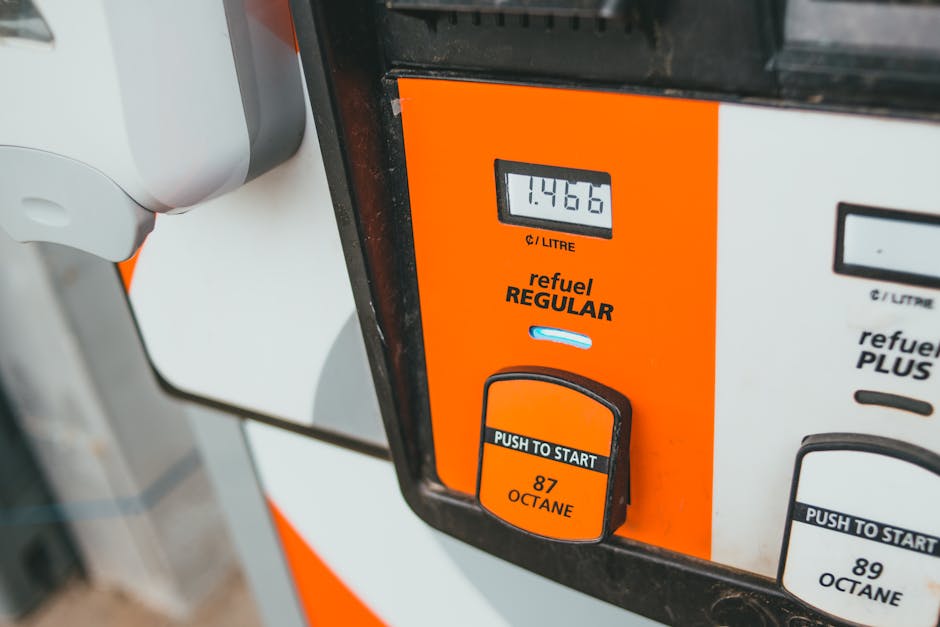
Fuel costs are rising across Canada as geopolitical tensions push crude oil prices to their highest level in over a month. This surge follows a rally held by Houthi supporters in Sanaa, Yemen, on Friday, July 17, 2026, against the Saudi-led coalition. During the demonstration, demonstrators displayed a banner in Arabic declaring that all Saudi oil facilities are targets for missiles and drones. The threat to major energy infrastructure has heightened market anxiety regarding potential supply disruptions. Gasbuddy.com reports that drivers have noticed a recent spike in pump prices across the country. The increase in fuel costs is part of a broader global trend driven by the same geopolitical instability.
Why It Matters
The rise in crude oil prices directly impacts the cost of living for Canadian households through higher gasoline and heating costs. For the broader economy, increased fuel prices can lead to higher transportation and logistics costs, which may eventually be passed on to consumers in the form of higher prices for goods and services. This inflationary pressure can complicate monetary policy decisions and affect consumer spending power. The situation highlights the vulnerability of global energy markets to geopolitical conflicts in the Middle East.
Local Vancouver / Burnaby Context
In Greater Vancouver, rising fuel costs can impact daily commuting expenses for residents who rely on personal vehicles. The increased cost of transportation may also affect the price of goods delivered to local businesses, potentially influencing retail prices in Burnaby and Vancouver. While the primary driver is international geopolitical conflict, local consumers are feeling the immediate effects at the pump. The situation underscores the importance of energy security and the potential for global events to have immediate local economic consequences.
Market Impact
Higher fuel costs can reduce disposable income for households, potentially leading to decreased spending in other sectors. For the real estate market, increased transportation costs can influence housing demand in suburban areas further from urban centers. Investors in energy-related sectors may see volatility, while those in consumer discretionary sectors might face headwinds. The overall market sentiment may become more cautious as inflationary pressures from energy prices persist.
Investor / Buyer Takeaway
Monitor gasoline prices closely as they can fluctuate rapidly based on geopolitical developments. - Consider the impact of higher transportation costs on household budgets when evaluating housing affordability. - Be aware that rising energy costs can contribute to broader inflation, potentially affecting interest rates. - Diversify investment portfolios to mitigate risks associated with energy market volatility. - Stay informed about global supply chain disruptions that could impact local goods and services.
Builder / Developer Perspective
Higher fuel costs can increase construction and transportation expenses for building materials, potentially squeezing profit margins for developers. Permitting and logistics costs may rise, affecting project timelines and feasibility. Developers should monitor energy prices as a key input cost in their financial models.
Risk Factors
Further escalation of geopolitical conflict could lead to more significant spikes in oil prices. - Supply chain disruptions in the Middle East could affect the availability and cost of imported goods. - Increased inflationary pressure could lead to higher interest rates, impacting mortgage affordability. - Consumer confidence may decline if fuel costs continue to rise, affecting overall economic activity. - Policy responses to energy crises could introduce new regulations or taxes affecting local businesses.
BurnabyHouse Insight
The current rise in fuel costs serves as a reminder of the interconnectedness of global events and local economies. For residents in Burnaby and Vancouver, the immediate impact is felt at the gas pump, but the ripple effects can extend to housing markets, retail prices, and overall cost of living. While the primary driver is international conflict, local consumers and investors should remain vigilant about how energy prices influence broader economic trends. The situation highlights the need for resilience in both personal finances and business strategies in the face of global uncertainty.
Community
Questions, Answers & Comments
Ask a question, add context, or leave a comment. Public posts appear after review.
No public questions or comments yet. Be the first to ask.