BC Housing to demolish 161 rooms in Downtown Eastside SRO building
Key Takeaways
- What happened
- BC Housing plans to demolish 161 rooms inside a 1913-era building in Vancouver's Downtown Eastside.. The structure served as a single-room occupancy (SRO) hotel for more than 100 tenants before unsafe conditions forced its closure in 2018.
- Location
- Global markets / U.S. (indirect for Metro Vancouver)
- Key points
-
- The demolition marks a significant step in the transformation of Vancouver's Downtown Eastside…
- BC Housing plans to demolish 161 rooms inside a building.
- WHERE: The building is located in the Downtown Eastside.
- Local impact
- The Downtown Eastside has historically relied on SROs as a critical, albeit often inadequate, housing stock for low-income individuals. The closure of the Regent Hotel in 2018 due to unsafe conditions left a gap in this stock, which the new rebuild aims to fill. For Metro Vancouver buyers, sellers, developers and investors, watch financing cost, transaction pace, supply mix and policy expectations.
- Who should watch
- ['The Regent Hotel site is being redeveloped for social housing, not private sale or rental.', 'Construction starting in 2027 means no immediate impact on nearby property values from this specific project.', 'Social housing projects do not…



What Happened
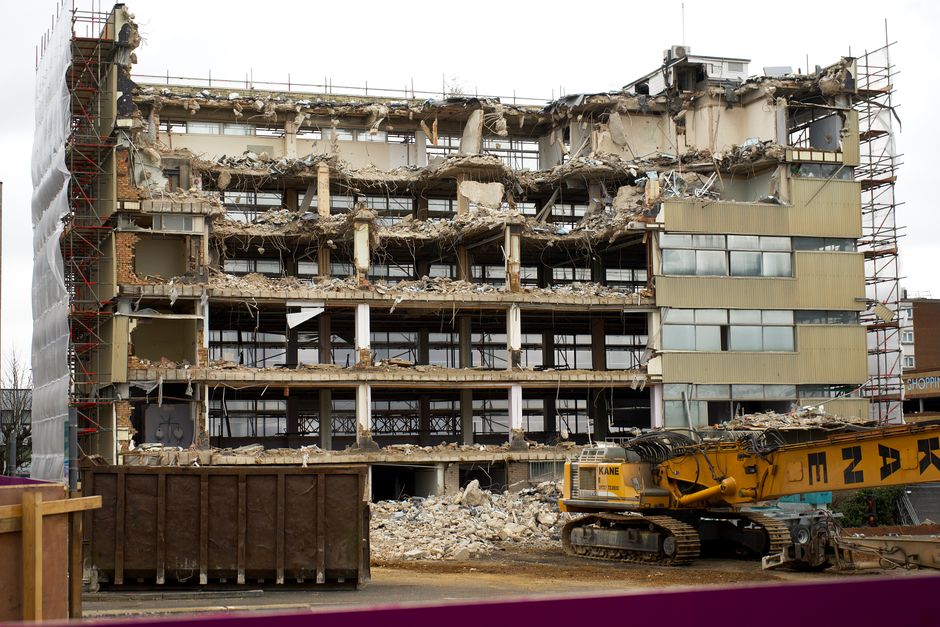
BC Housing plans to demolish 161 rooms inside a 1913-era building in Vancouver's Downtown Eastside. The structure served as a single-room occupancy (SRO) hotel for more than 100 tenants before unsafe conditions forced its closure in 2018. The demolition is part of a major rebuild plan for the vacant Regent Hotel site near Main and Hastings streets. Construction of the new housing on this property is expected to begin in 2027. The project aims to replace the former SRO with safe and dignified social housing.
Why It Matters
The demolition marks a significant step in the transformation of Vancouver's Downtown Eastside housing policy. It signals a shift away from maintaining aging SRO buildings toward creating new, self-contained social housing units. This aligns with the City of Vancouver's broader commitment to providing safer living conditions for low-income residents in the area. The timeline indicates a long lead time for development, with construction not starting until 2027, highlighting the complexities of urban redevelopment. The project underscores the ongoing effort to address the housing crisis in one of the city's most vulnerable neighborhoods.
Local Vancouver / Burnaby Context
The Downtown Eastside has historically relied on SROs as a critical, albeit often inadequate, housing stock for low-income individuals. The closure of the Regent Hotel in 2018 due to unsafe conditions left a gap in this stock, which the new rebuild aims to fill. BC Housing's involvement in this project reflects provincial efforts to support local governments in addressing housing needs. The City of Vancouver has previously voted to shift its DTES housing policy, enabling the replacement of SROs with safer alternatives. This project is part of a larger context of housing supply challenges in Metro Vancouver, where demand for affordable housing remains high. The long timeline to 2027 also reflects the typical pace of such large-scale social housing developments in the region.
Market Impact
The demolition of the Regent Hotel will temporarily reduce the available SRO stock in the Downtown Eastside, potentially increasing pressure on remaining units. However, the new housing will add to the supply of social housing, which may help stabilize rents and living conditions in the long term. The project does not directly impact the broader condo or rental market but serves as a key example of social housing development in the city. Investors and buyers should note that such projects are typically not market-driven and do not influence private sector pricing directly. The timeline to 2027 means the impact on the local housing market will be gradual.
Investor / Buyer Takeaway
The Regent Hotel site is being redeveloped for social housing, not private sale or rental. - Construction starting in 2027 means no immediate impact on nearby property values from this specific project. - Social housing projects do not typically drive up market prices in the immediate vicinity. - Buyers should monitor broader Downtown Eastside trends for signs of neighborhood stabilization. - Investors should focus on other areas for rental yield opportunities, as this site is not available for private investment.
Builder / Developer Perspective
The project is led by BC Housing, indicating a public-sector-driven development rather than a private builder initiative. The timeline to 2027 suggests a complex permitting and planning process typical for social housing in dense urban areas. Builders may find opportunities in the broader Downtown Eastside redevelopment but should not expect direct involvement in this specific project. The focus on 'safe and dignified' housing implies high construction standards and potentially higher costs. Private developers should monitor the area for future opportunities as the neighborhood continues to evolve.
Risk Factors
Delays in construction or permitting could extend the timeline beyond 2027. - Rising construction costs may impact the budget for social housing units. - Community opposition or NIMBYism could slow down the project. - Changes in provincial or federal funding could affect the scope of the rebuild. - Safety concerns during demolition and construction in a dense urban area.
BurnabyHouse Insight
The Regent Hotel's transformation is a microcosm of Vancouver's broader housing challenges. While the demolition of 161 rooms may seem like a loss, the goal is to replace them with higher-quality, safer housing. This project highlights the tension between preserving existing stock and building new, sustainable solutions. For local readers, it underscores the importance of supporting social housing initiatives that address the root causes of homelessness and housing insecurity. The long timeline to 2027 also serves as a reminder of the slow pace of change in urban development, requiring patience and sustained advocacy for affordable housing.
Community
Questions, Answers & Comments
Ask a question, add context, or leave a comment. Public posts appear after review.
No public questions or comments yet. Be the first to ask.