China’s Iranian oil lifeline fractures as demand collapses
Key Takeaways
- What happened
- Iran’s critical economic lifeline through crude exports to China is facing its most severe strain to date, driven by a sharp collapse in demand and intensified geopolitical pressure.
- Location
- Global markets / U.S. (indirect for Metro Vancouver)
- Key points
-
- The contraction of Iranian oil flows to China has immediate implications for global energy…
- Iranian crude flows to China were 1.8 million barrels a day in February.
- Iranian crude flows to China tumbled to about 160,000 barrels a day in May.
- Local impact
- Oil and energy cost shifts feed into inflation and rate expectations first, then into Canadian mortgage rates, development financing and Metro Vancouver housing carrying costs and supply-demand expectations.
- Who should watch
- - Monitor global oil prices for potential spikes that could increase construction and transportation costs. - Watch for changes in inflation data that may influence Bank of Canada interest rate decisions.



What Happened
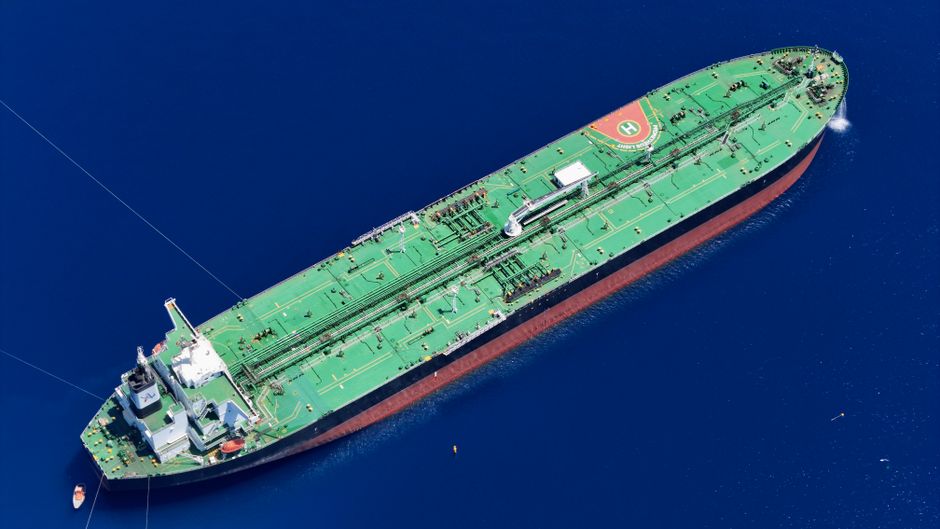
Iran’s critical economic lifeline through crude exports to China is facing its most severe strain to date, driven by a sharp collapse in demand and intensified geopolitical pressure. Tanker-tracking data reveals that Iranian crude flows to China plummeted to approximately 160,000 barrels per day in May, a dramatic fall from the 1.8 million barrels per day recorded in February. This steep decline coincides with the onset of US and Israeli military strikes on Iran at the end of May, which have disrupted supply chains and heightened risk for traders. The primary buyers, China’s independent oil refiners known as "teapots," have significantly reduced their purchases due to mounting economic losses and operating rate cuts. These refineries, concentrated in Shandong province, have historically thrived on discounted Iranian crude, accounting for roughly a quarter of China’s refining capacity. However, recent US sanctions have made buyers increasingly wary of engaging in trade with Tehran. An American blockade is further complicating logistics, forcing reliance on a shadow fleet of aging tankers that obscure ownership and switch flags to evade oversight. The combination of waning demand and enforcement pressure is testing the durability of a trade relationship that had previously survived years of sanctions. China, the world’s largest crude importer, is now navigating a strategic test as it balances energy security against geopolitical risks. The resilience of this shadow supply chain is being challenged by both physical disruptions and financial deterrence. Buyers are now facing a complex landscape where discounted crude comes with prohibitive insurance and logistical costs. The shift marks a potential turning point in how Iran sustains its economy amid escalating conflict. As the situation evolves, the flow of Iranian oil may remain suppressed for the foreseeable future. This contraction highlights the fragility of energy ties in times of war.
Why It Matters
The contraction of Iranian oil flows to China has immediate implications for global energy markets and the pricing of crude oil. As a significant portion of China’s refining capacity relies on this discounted supply, reduced availability can tighten regional fuel markets and influence global benchmark prices. For the broader economy, disruptions in this trade route can affect shipping insurance rates, freight costs, and the stability of energy-dependent industries in Asia. The strain on this lifeline also signals how effective US sanctions and military pressure can be in isolating sanctioned economies, potentially altering long-term energy trade patterns. Investors and policymakers must monitor how this shift impacts global oil supply balances and the resilience of alternative energy corridors.
Local Vancouver / Burnaby Context
This development is part of the broader global energy landscape that influences Vancouver and Burnaby’s economic environment. While local housing and real estate markets are primarily driven by domestic factors such as mortgage rates, zoning bylaws, and local supply, global energy prices can indirectly affect construction costs and inflation. Higher oil prices can increase transportation and material costs for developers, potentially impacting housing affordability and project feasibility. Additionally, geopolitical tensions can influence investor sentiment and capital flows in Canadian real estate markets. Burnaby and Vancouver residents may see subtle effects on fuel costs and general inflation, which can influence consumer spending and housing demand. The local real estate industry remains focused on domestic policy changes, such as the Empty Homes Tax and rental regulations, rather than direct foreign energy trade. However, global economic stability is a backdrop for all real estate investment decisions. Local brokers and analysts monitor these global shifts to gauge potential impacts on buyer confidence and market liquidity. The interplay between global energy security and local housing markets underscores the complexity of modern real estate economics.
Market Impact
A sustained reduction in Iranian oil exports to China could lead to tighter crude supplies in Asian markets, potentially driving up oil prices. Higher energy costs can increase operational expenses for businesses and consumers, contributing to inflationary pressures. For the real estate sector, increased construction costs due to higher fuel and material prices may slow development activity. Investors may face greater volatility in energy-related assets and shipping stocks. The disruption could also affect the profitability of companies reliant on imported energy, impacting broader economic growth and housing demand.
Investor / Buyer Takeaway
- Monitor global oil prices for potential spikes that could increase construction and transportation costs.
- Watch for changes in inflation data that may influence Bank of Canada interest rate decisions.
- Consider the impact of higher energy costs on consumer spending and housing demand in Vancouver and Burnaby.
- Be cautious of volatility in energy and shipping sectors as geopolitical risks evolve.
- Focus on local market fundamentals, such as inventory levels and mortgage rates, for real estate decisions.
Builder / Developer Perspective
Developers in Burnaby and Vancouver may face increased costs for construction materials and transportation if global oil prices rise due to supply disruptions. Higher energy costs can squeeze profit margins, particularly for projects with tight budgets or long timelines. Builders may need to adjust pricing strategies or seek alternative supply chains to mitigate cost pressures. The feasibility of new developments could be impacted if inflation remains elevated, affecting buyer affordability and pre-sale success. Financing costs may also rise if central banks respond to inflation by maintaining higher interest rates. Developers must carefully manage risk and cost exposure in this uncertain environment.
Risk Factors
- Sudden spikes in global oil prices increasing construction and operational costs.
- Prolonged geopolitical tensions disrupting supply chains and increasing insurance premiums.
- Higher inflation leading to sustained high interest rates, reducing buyer affordability.
- Volatility in energy markets affecting investor confidence and capital flows.
- Potential policy changes in China or the US impacting global trade and energy prices.
BurnabyHouse Insight
The fracturing of Iran’s oil lifeline to China is a stark reminder of how global geopolitical shocks can ripple into local economies. For Burnaby and Vancouver real estate, the direct impact may be muted, but the indirect effects on construction costs and inflation are real. Developers and buyers alike must remain vigilant to global energy trends, as they can influence the cost of building and the affordability of homes. While local policy and supply dynamics remain the primary drivers of the housing market, global stability is a crucial undercurrent. Investors should focus on long-term fundamentals rather than short-term geopolitical noise, but keep a close eye on energy prices as a leading indicator for cost pressures. The resilience of the local real estate market will depend on its ability to adapt to these broader economic shifts.
Community
Questions, Answers & Comments
Ask a question, add context, or leave a comment. Public posts appear after review.
No public questions or comments yet. Be the first to ask.