Tanker Struck in Strait of Hormuz as US and Iran Trade Strikes
Key Takeaways
- What happened
- A tanker reported being struck by a projectile in the Strait of Hormuz on Saturday, June 27, according to Britain's maritime security agency.. This incident marks the worst escalation between the United States and Iran since they signed an interim peace deal two weeks ago.
- Location
- Global markets / U.S. / Middle East (indirect for Metro Vancouver)
- Key points
-
- The escalation in the Strait of Hormuz directly threatens global energy supply chains, as…
- U.S. military launched strikes against Iranian targets June 27
- A tanker reported being struck by a projectile June 27
- Local impact
- Oil and energy cost shifts feed into inflation and rate expectations first, then into Canadian mortgage rates, development financing and Metro Vancouver housing carrying costs and supply-demand expectations.
- Who should watch
- Buyers, owners and investors watching Burnaby, Vancouver and Metro Vancouver housing policy, supply, carrying costs and market timing.



What Happened
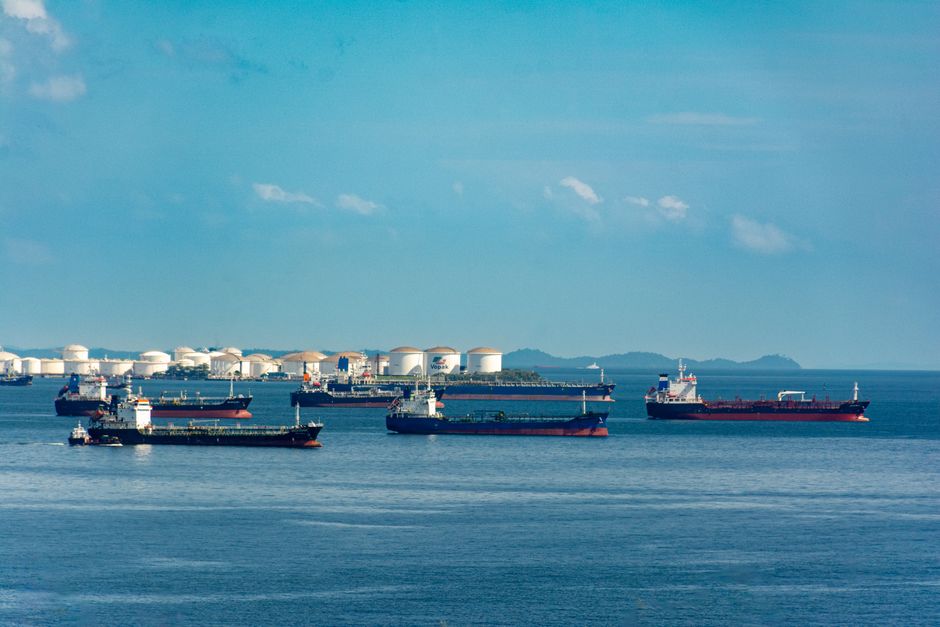
A tanker reported being struck by a projectile in the Strait of Hormuz on Saturday, June 27, according to Britain's maritime security agency. This incident marks the worst escalation between the United States and Iran since they signed an interim peace deal two weeks ago. Both nations launched strikes against each other's targets, with the U.S. military striking coastal surveillance radar sites in Iran and Iran's Revolutionary Guards firing warning shots at unspecified vessels.
The Joint Maritime Information Center raised its security threat level following the exchange of fire. Iran's foreign ministry stated it launched defensive attacks on U.S.-linked military targets, while Bahrain reported an Iranian drone attack. Iran's Mehr news agency reported no damage to facilities in the port city of Sirik.
JD Vance, U.S. Vice President and President Donald Trump's chief negotiator, blamed Iran for any return to conflict, stating that violence would be met with violence. Meanwhile, Mohsen Rezaei, an adviser to Iran's supreme leader, accused Washington of violating the war-ending memorandum. Iran has made a fresh bid to assert control over the Strait, aiming to charge fees for its use and pushing ships to use a northern route through its waters.
Why It Matters
The escalation in the Strait of Hormuz directly threatens global energy supply chains, as hundreds of ships have been blockaded inside the Gulf since the war began. Although oil prices tumbled close to pre-war levels due to increased supply and fell about 3% on Friday before the renewed violence, the instability introduces significant risk to the shuttle runs that have become a primary method for getting crude out of the Persian Gulf.
The breakdown of the interim peace deal raises the prospect of wider regional conflict, which could disrupt shipping lanes and spike energy costs. The U.S. has been promoting a southern lane along the coast of Oman as an alternative, but Iran's efforts to assert control and charge fees complicate these logistics. The uncertainty affects global markets, particularly as the escalation occurred while markets were closed, potentially leading to delayed price adjustments and supply chain disruptions.
Community
Questions, Answers & Comments
Ask a question, add context, or leave a comment. Public posts appear after review.
No public questions or comments yet. Be the first to ask.