Quest Non-Profit Grocery Market Offers 50% Discount in Metro Vancouver Amid Rising Food Costs
Key Takeaways
- What happened
- Quest Non-Profit Grocery Markets, which has been operating for 20 years, continues to sell groceries at approximately half the price of commercial stores across Metro Vancouver.
- Location
- Quest has four stores, two in Vancouver, one in Burnaby, and one in North Vancouver.
- Key points
-
- The operation of Quest Non-Profit Grocery Markets highlights the growing financial pressure on…
- Demand at B.C. food banks increased by five percent in the first three months of 2026.
- Quest Non-Profit Grocery Markets has been operating for 20 years.
- Local impact
- In Metro Vancouver, the cost of living, particularly for groceries, has been a persistent issue for residents. Quest Non-Profit Grocery Markets has established a footprint in key communities, including Vancouver, Burnaby, and North Vancouver, to serve local populations. For Metro Vancouver buyers, sellers, developers and investors, watch financing cost, transaction pace, supply mix and policy expectations.
- Who should watch
- ['Buyers and renters should monitor local non-profit grocery options like Quest for cost-saving opportunities, especially in areas with high living costs.', 'Investors in the food sector should note the growing demand for affordable food…
Generating audio…



What Happened
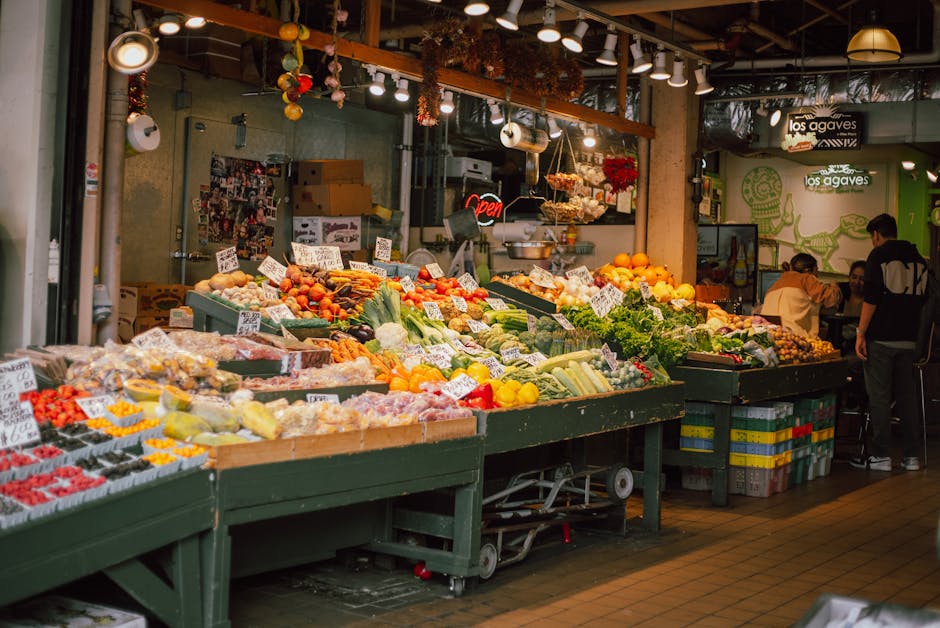
Quest Non-Profit Grocery Markets, which has been operating for 20 years, continues to sell groceries at approximately half the price of commercial stores across Metro Vancouver. The organization, which is part of the Vancouver Food Recovery Network, collects surplus food from various sources to provide nutritious options to clients with limited incomes. Quest currently operates four stores in the region: two in Vancouver, one in Burnaby, and one in North Vancouver. Access to these markets is facilitated through 700 referral partners, allowing individuals receiving social assistance or those referred by food banks to shop. This model effectively bridges the gap between traditional food banks and commercial grocery retailers. The operation relies on a network of partners to redistribute surplus food through markets and community programs. Rob Gloor, the executive director of Quest, noted that the organization has been filling this specific gap for two decades. The market serves as a critical resource for long-term clients who are navigating the high cost of living in the region.
Why It Matters
The operation of Quest Non-Profit Grocery Markets highlights the growing financial pressure on residents in Metro Vancouver due to high grocery costs. With the federal government rebranding the GST credit to the Canada Groceries and Essentials Benefit (CGEB) to help stretch budgets, the need for affordable food options has become more pronounced. The CGEB was introduced to address the chronic challenge of high food costs, with eligible Canadians receiving the first payments on Friday. However, government support alone is not sufficient for everyone, as evidenced by the increasing reliance on community resources. The high cost of groceries remains a significant concern for many B.C. residents, driving demand for non-profit alternatives. Quest's model demonstrates how surplus food can be leveraged to provide dignity and access to essential goods. The organization's long-standing presence underscores the persistent nature of food insecurity in the region. As food prices continue to rise, the role of non-profit markets in supporting vulnerable populations becomes increasingly vital. The success of Quest also reflects the broader trend of food recovery networks expanding their reach to meet community needs.
Local Vancouver / Burnaby Context
In Metro Vancouver, the cost of living, particularly for groceries, has been a persistent issue for residents. Quest Non-Profit Grocery Markets has established a footprint in key communities, including Vancouver, Burnaby, and North Vancouver, to serve local populations. The organization's presence in Burnaby and North Vancouver ensures that residents in these areas have access to affordable food options without needing to travel to Vancouver. The high cost of groceries has led many residents to change their eating habits or skip meals, as reported in recent surveys. Food Banks BC has noted a significant increase in demand, with an 80% rise in visits since 2019. Dan Huang-Taylor, the executive director of Food Banks BC, highlighted that even full-time workers are increasingly relying on food banks. This trend indicates that food insecurity is not limited to those without income but affects a broader segment of the population. The Vancouver Food Recovery Network plays a crucial role in coordinating the collection and redistribution of surplus food. By partnering with grocery stores, restaurants, and other sources, the network ensures that edible food is redirected to those in need. This system helps reduce waste while addressing food insecurity. The non-profit grocery model offers a sustainable alternative to traditional food banks by providing a shopping experience based on dignity and access. For residents in Burnaby and North Vancouver, Quest's stores provide a convenient and affordable option. The organization's 20-year history demonstrates its resilience and adaptability in meeting community needs. As food costs continue to impact household budgets, non-profit markets like Quest will likely remain essential resources. The region's food security landscape is shaped by both government policies and community-led initiatives. The rebranding of the GST credit to the CGEB reflects an acknowledgment of the ongoing challenge of high food costs. However, the effectiveness of such measures depends on the availability of affordable food options in local communities. Quest's model of bridging the gap between food banks and commercial stores offers a practical solution for many residents. The organization's reliance on referral partners ensures that those most in need can access its services. This approach aligns with broader efforts to enhance food security and sustainability in Metro Vancouver. The presence of Quest in multiple municipalities underscores the regional nature of the food cost challenge. As the region continues to grow, the demand for affordable food options is expected to increase. Non-profit grocery markets will play a key role in supporting vulnerable populations. The success of Quest also highlights the importance of community partnerships in addressing food insecurity. By leveraging surplus food, the organization provides a valuable service to the region. The ongoing operation of Quest's stores in Burnaby and North Vancouver ensures that residents have access to affordable groceries. This model of food recovery and redistribution is a critical component of the region's food security infrastructure. As food costs remain high, the role of non-profit markets will continue to be vital. The organization's 20-year history serves as a testament to its impact on the community. The presence of Quest in multiple municipalities underscores the regional nature of the food cost challenge. As the region continues to grow, the demand for affordable food options is expected to increase. Non-profit grocery markets will play a key role in supporting vulnerable populations. The success of Quest also highlights the importance of community partnerships in addressing food insecurity. By leveraging surplus food, the organization provides a valuable service to the region.
Market Impact
The high cost of groceries is driving many B.C. residents to alter their purchasing behaviors, with nearly 40% changing their eating habits and 15% skipping meals. This shift impacts the broader grocery market as consumers seek cheaper alternatives, potentially affecting sales for commercial retailers. The demand for non-profit grocery options is rising, as evidenced by the 5% increase in food bank demand in the first three months of 2026. This trend suggests that affordability is a primary concern for households, influencing their choice of where to shop. The availability of low-cost options like Quest helps mitigate some of the financial pressure on residents. However, the reliance on surplus food means that supply can be variable. Commercial grocery stores may see changes in customer traffic as shoppers prioritize value. The rebranding of the GST credit to the CGEB indicates government recognition of the issue, but it does not directly lower prices. The impact on the market is likely to be a continued search for affordable food sources. Consumers are increasingly turning to community organizations and non-profit markets. This shift reflects the broader economic pressures facing households in the region. The availability of affordable food options is crucial for maintaining food security. As costs remain high, the demand for non-profit grocery services is expected to grow. The impact on commercial retailers may include a need to adjust pricing or promotions to retain customers. The role of non-profit markets in the food system is becoming more significant. They provide a critical safety net for those struggling with food costs. The market impact is also seen in the increased reliance on food recovery networks. These organizations are expanding their operations to meet demand. The availability of surplus food is a key factor in the success of non-profit grocery markets. As the region faces ongoing food cost challenges, the role of these markets will remain essential. The impact on the broader economy includes increased spending on essential goods and reduced discretionary income for households. The demand for affordable food options is a key driver of consumer behavior. The availability of non-profit grocery markets helps to alleviate some of the pressure on households. However, the long-term sustainability of these models depends on continued support and surplus availability. The market impact is likely to be a continued shift towards value-oriented shopping. Consumers are increasingly aware of the cost of food and are seeking ways to reduce expenses. The role of non-profit markets in providing affordable options is critical. As food costs remain high, the demand for these services is expected to persist. The impact on the grocery industry includes a need to adapt to changing consumer preferences. The availability of low-cost options is a key factor in consumer decision-making. The role of non-profit markets in the food system is becoming more significant. They provide a critical safety net for those struggling with food costs. The market impact is also seen in the increased reliance on food recovery networks. These organizations are expanding their operations to meet demand. The availability of surplus food is a key factor in the success of non-profit grocery markets. As the region faces ongoing food cost challenges, the role of these markets will remain essential.
Investor / Buyer Takeaway
- Buyers and renters should monitor local non-profit grocery options like Quest for cost-saving opportunities, especially in areas with high living costs.
- Investors in the food sector should note the growing demand for affordable food options and the potential for non-profit models to influence market dynamics.
- Sellers of food products may see shifts in consumer behavior as households prioritize value and seek cheaper alternatives.
- Individuals facing financial strain should explore referral partners to access non-profit grocery markets and reduce food expenses.
- Watch for changes in government support programs like the CGEB and their impact on household budgets and food security.
Builder / Developer Perspective
The story focuses on food security and non-profit grocery operations rather than housing development or construction. Therefore, direct impact on builders and developers is limited. However, the high cost of living, including groceries, can influence workforce availability and housing demand in the region. Developers may need to consider the overall cost of living for potential residents when planning new projects. The availability of affordable food options can be a factor in community livability. While not a direct builder concern, the economic pressures on residents can affect the broader housing market. The focus on food security highlights the importance of comprehensive community planning. Developers should be aware of the social services available in their project areas. The role of non-profit organizations in supporting vulnerable populations is critical for community stability. This stability can indirectly support the housing market by ensuring that residents can afford to live in the area. The high cost of groceries is a broader economic issue that affects all sectors. Builders and developers should monitor these trends as they plan for future projects. The availability of affordable food options is a key component of community infrastructure. While not a direct factor in development feasibility, it is part of the broader context of livability. The focus on food security underscores the need for integrated community planning. Developers should consider the social and economic factors that impact their projects. The role of non-profit markets in supporting residents is important for community well-being. This well-being can contribute to the stability of the housing market. The high cost of groceries is a challenge that affects all residents. Builders and developers should be aware of the broader economic context in which they operate. The availability of affordable food options is a key factor in community livability. While not a direct builder concern, it is part of the broader context of housing demand. The focus on food security highlights the importance of comprehensive community planning. Developers should consider the social services available in their project areas. The role of non-profit organizations in supporting vulnerable populations is critical for community stability. This stability can indirectly support the housing market by ensuring that residents can afford to live in the area.
Risk Factors
- Reliance on surplus food supply can lead to inconsistent inventory and availability for shoppers.
- Increased demand for food bank and non-profit services may strain organizational resources and capacity.
- Government support programs like the CGEB may change or be insufficient to offset high food costs.
- Economic pressures on households may lead to further changes in eating habits and reduced discretionary spending.
- Potential for policy changes affecting food recovery networks or non-profit operations.
BurnabyHouse Insight
The operation of Quest Non-Profit Grocery Markets in Burnaby, North Vancouver, and Vancouver underscores the deepening financial strain on Metro Vancouver residents. With food costs remaining a primary concern, the 50% discount offered by Quest is not just a convenience but a necessity for many. The 80% increase in food bank visits since 2019, as reported by Food Banks BC, signals a structural shift in food insecurity that affects even full-time workers. The rebranding of the GST credit to the CGEB reflects government acknowledgment of the issue, but it does not replace the need for local, accessible food solutions. For residents in Burnaby and North Vancouver, the presence of Quest stores provides a critical buffer against rising costs. The organization's 20-year history demonstrates the long-standing need for such services. As food prices continue to impact household budgets, the role of non-profit grocery markets will only grow in importance. The success of Quest highlights the value of community-led initiatives in addressing food security. For local readers, this story is a reminder of the importance of supporting and utilizing these resources. The availability of affordable food options is a key component of community well-being. As the region faces ongoing economic challenges, non-profit markets will remain essential. The presence of Quest in multiple municipalities ensures that residents have access to these services. The organization's model of bridging the gap between food banks and commercial stores offers a practical solution for many. This approach aligns with broader efforts to enhance food security and sustainability. The ongoing operation of Quest's stores is a testament to its impact on the community. For residents in Burnaby and North Vancouver, Quest's stores provide a convenient and affordable option. The organization's reliance on referral partners ensures that those most in need can access its services. This model of food recovery and redistribution is a critical component of the region's food security infrastructure. As food costs remain high, the role of non-profit markets will continue to be vital. The organization's 20-year history serves as a testament to its impact on the community.
Community
Questions, Answers & Comments
Ask a question, add context, or leave a comment. Public posts appear after review.
No public questions or comments yet. Be the first to ask.