Carney’s Rent-to-Own Plan Targets Metro Vancouver’s 3,215 Empty Condos
Key Takeaways
- What happened
- Prime Minister Mark Carney has outlined a strategy to purchase unsold, distressed condominiums at a discount and convert them into rent-to-own affordable housing.
- Location
- Most of the empty and unsold new condos in Metro Vancouver are in Richmond, Burnaby, New Westminster, Vancouver West, and Coquitlam.
- Key points
-
- This policy shift marks a significant departure from previous housing strategies by directly…
- Number of completed and unsold condos and townhomes in Metro Vancouver was 2,304 in the first…
- Investors fled the Metro Vancouver new condo market.
- Local impact
- The accumulation of unsold condos in Metro Vancouver has created distinct pressures across key municipalities. In Burnaby and New Westminster, 930 units remain empty, while Richmond and South Delta account for 655 unsold units. Vancouver West holds 313 empty units, and the Tri-Cities region has 387. For Metro Vancouver buyers, sellers, developers and investors, watch financing cost, transaction pace, supply mix and policy expectations.
- Who should watch
- ['Buyers should monitor the specific locations and price points of the converted rent-to-own units, as they may offer a more accessible entry point into the Metro Vancouver market.', 'Investors should be cautious, as the presence of…



What Happened
Prime Minister Mark Carney has outlined a strategy to purchase unsold, distressed condominiums at a discount and convert them into rent-to-own affordable housing. The initiative directly targets the glut of empty units in Metro Vancouver, where the number of completed and unsold condos and townhomes climbed to 3,215 in the second quarter of 2025. This figure represents a sharp increase from the 2,304 units recorded in the first quarter of 2025, with the Canada Mortgage and Housing Corporation noting that the total is double what it was last year. While Rennie Intelligence adjusted its estimation methods to report 3,059 empty units in the second quarter, the broader market data confirms a significant accumulation of vacant inventory. Most of these unsold units are located in concrete buildings across Richmond, Burnaby, New Westminster, Vancouver West, and Coquitlam. The federal government’s intervention aims to address the market failure where investors have fled and domestic buyers find the remaining inventory too pricey.
Why It Matters
This policy shift marks a significant departure from previous housing strategies by directly intervening in the private market to absorb excess supply. By targeting the 3,215 unsold units, the government aims to create a pathway to homeownership for residents who cannot afford the $800,000 to $1.2 million price tags typical of the bulk of the empty inventory. The move acknowledges that the current market dynamics have left a large number of completed units empty, tying up developer capital and stalling future housing projects. Converting these units to rent-to-own models could provide immediate housing options while stabilizing the condo market by reducing the glut of vacant properties. However, the success of this plan depends on the ability to purchase these units at a discount that makes the financial model viable for both the government and the developers.
Local Vancouver / Burnaby Context
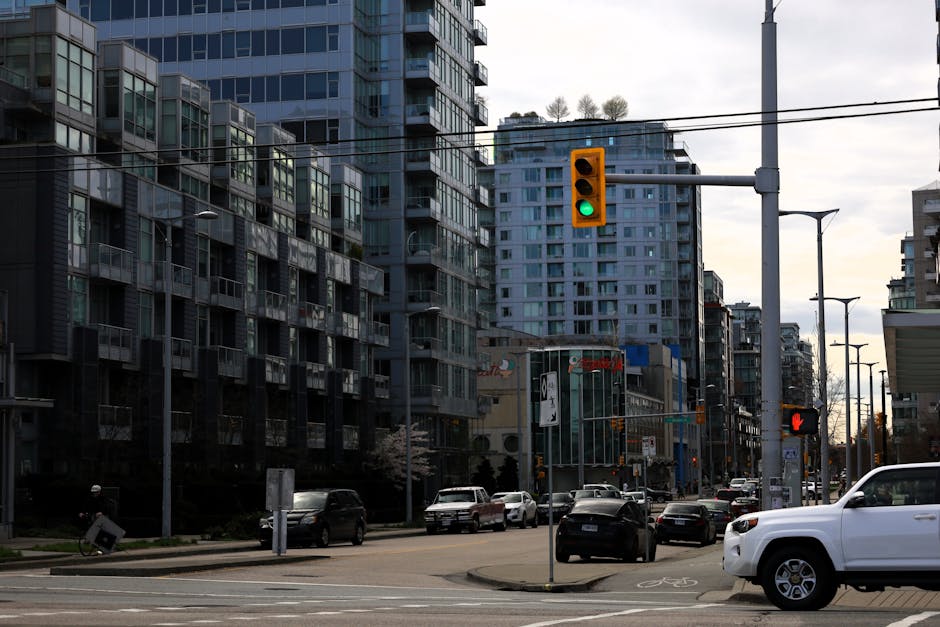
The accumulation of unsold condos in Metro Vancouver has created distinct pressures across key municipalities. In Burnaby and New Westminster, 930 units remain empty, while Richmond and South Delta account for 655 unsold units. Vancouver West holds 313 empty units, and the Tri-Cities region has 387. Langley and Cloverdale have 205, and Central 素里 and North Delta have 191. This distribution highlights that the issue is not isolated to one area but is a regional phenomenon affecting major growth centers. The presence of these empty units in concrete buildings, which dominate the new construction landscape, has led to concerns about the long-term viability of the development industry. Developers are currently offering widespread price cuts and incentives, but the market remains sluggish. The provincial government has stated it will not change the foreign buyer tax, indicating that the current inventory issue is being viewed as a domestic market failure rather than one driven by foreign speculation. This context is crucial for understanding why the federal government is stepping in with a direct purchase and conversion strategy.
Market Impact
The introduction of a rent-to-own program for unsold condos will likely have a dual impact on the Metro Vancouver market. On one hand, it could provide a much-needed outlet for the 3,215 empty units, potentially stabilizing prices by reducing the visible glut of vacant properties. On the other hand, it may create a new segment of affordable housing that competes with both the rental market and the traditional resale market. For current homeowners, the presence of rent-to-own units could influence perceptions of property values in areas with high concentrations of unsold inventory. For renters, the program offers a potential pathway to ownership, but it may also reduce the availability of units for traditional rental leases if developers prefer to sell through this government-backed channel. The market will closely watch how many units are actually converted and at what price points, as this will set a precedent for future housing policy in the region.
Investor / Buyer Takeaway
- Buyers should monitor the specific locations and price points of the converted rent-to-own units, as they may offer a more accessible entry point into the Metro Vancouver market.
- Investors should be cautious, as the presence of government-subsidized rent-to-own units could dampen rental demand and property value appreciation in affected neighborhoods.
- Sellers of existing resale condos may face increased competition from the new rent-to-own program, particularly in areas with high concentrations of unsold new inventory.
- Potential homeowners should assess their long-term financial stability, as rent-to-own agreements often require a commitment to purchase at a future date, which may not align with future market conditions.
- Watch for announcements on which specific buildings and municipalities are prioritized for the program, as this will indicate where the government sees the most urgent need for intervention.
Builder / Developer Perspective
For builders and developers, the government’s plan to purchase unsold condos at a discount presents a complex scenario. While it offers a potential exit strategy for the 3,215 empty units, the requirement to sell at a discount could significantly impact profitability. Developers are already offering widespread price cuts and incentives, but further reductions may lead to substantial losses. The plan could also affect future development feasibility, as the government’s involvement in the market may alter pricing expectations and demand dynamics. However, if the program helps clear inventory and stabilize the market, it could ultimately benefit the industry by restoring confidence and encouraging new projects. The key will be how the discount is calculated and whether it provides enough relief to developers to make the sales viable without compromising the quality or viability of future developments.
Risk Factors
- Financial risk for developers if the government’s discount requirements force sales below construction costs, leading to significant losses.
- Policy risk if the rent-to-own program is perceived as unfair competition by private landlords or resale homeowners, leading to political backlash.
- Market risk if the converted units do not attract sufficient buyers, leaving the government with a new inventory of unsold properties.
- Financing risk for the government if the cost of purchasing and converting the units exceeds initial estimates, straining public funds.
- Enforcement risk if the rent-to-own agreements are not properly structured, leading to disputes over pricing, maintenance, and ownership transfer.
BurnabyHouse Insight
The federal government’s decision to target Metro Vancouver’s 3,215 empty condos for a rent-to-own program signals a recognition that the market has failed to absorb the recent surge in new supply. This is not just a housing issue but a financial one, as the tied-up developer capital threatens future projects and jobs. The concentration of unsold units in Burnaby, Richmond, and Vancouver West means that the impact of this policy will be felt most acutely in these areas. For local readers, the key takeaway is that the government is moving from passive encouragement to active market intervention. This could lead to a more stable but potentially less dynamic condo market in the short term, as the rent-to-own units provide an alternative to traditional buying and renting. The long-term effect will depend on how well the program is executed and whether it can truly address the affordability gap without distorting the broader market.
Community
Questions, Answers & Comments
Ask a question, add context, or leave a comment. Public posts appear after review.
No public questions or comments yet. Be the first to ask.