Federal Government Refers Port of Vancouver Expansion to Major Projects Office
Key Takeaways
- What happened
- The federal government has referred the Port of Vancouver’s expansion plans to the Major Projects Office (MPO) to accelerate permitting and construction timelines.
- Location
- Delta (Roberts Bank Terminal 2), Tsawwassen First Nation lands, Vancouver area (Port of Vancouver).
- Key points
-
- This referral signals a high-level federal commitment to treating the Port of Vancouver’s…
- federal government announces referral of Port of Vancouver expansion plans to Major Projects…
- WHO: Port of Vancouver expansion plans referred to Major Projects Office by federal government.
- Local impact
- The Port of Vancouver is a critical economic engine for the Lower Mainland, with operations spanning Delta, Richmond, and surrounding areas. The Roberts Bank Terminal 2 project, located in Delta, has been a subject of intense local and national debate for years due to its environmental impact and scale. For Metro Vancouver buyers, sellers, developers and investors, watch financing cost, transaction pace, supply mix and policy expectations.
- Who should watch
- ['Logistics and transportation investors may see opportunities in the Delta and Richmond areas as the port expands, particularly in warehousing and distribution facilities.', 'Construction firms may benefit from the Roberts Bank Terminal 2…


What Happened
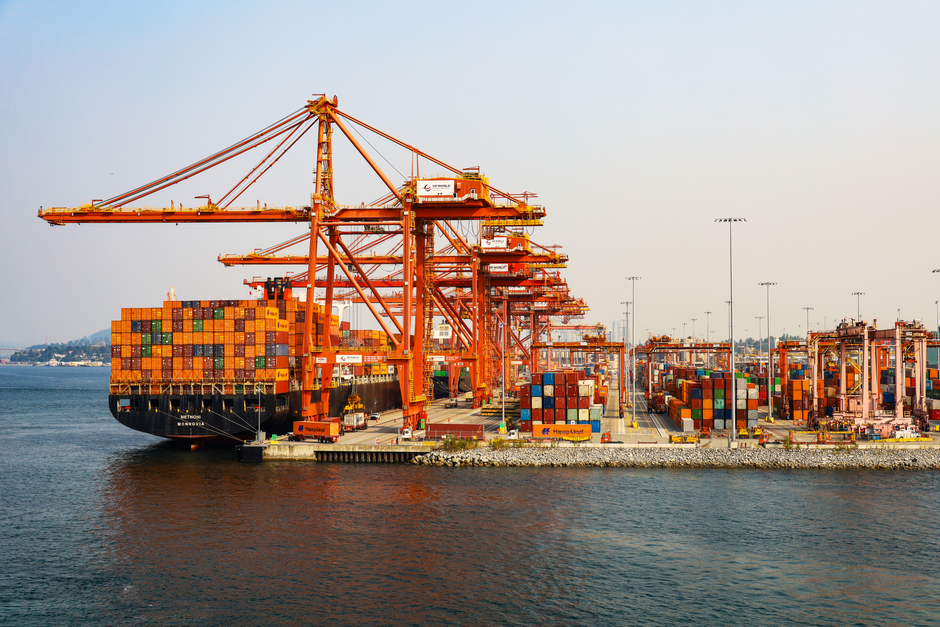
The federal government has referred the Port of Vancouver’s expansion plans to the Major Projects Office (MPO) to accelerate permitting and construction timelines. Federal Transport Minister Steven MacKinnon announced the referral on Thursday, describing the move as a significant step in addressing evolving global supply chains and intensifying competition for investment. The expansion strategy aims to increase the port's container capacity by 50 per cent over the next decade. A central component of this strategy is the Roberts Bank Terminal 2 project, which is expected to begin construction in 2028 with completion targeted for the mid-2030s. The MPO will assist the port in identifying land for expansion and streamlining regulatory approvals. The Roberts Bank Terminal 2 project was previously approved with 370 conditions as part of its environmental assessment. The Tsawwassen First Nation has been engaged in the development process and has warned that any expansions must not come at the expense of their land and rights.
Why It Matters
This referral signals a high-level federal commitment to treating the Port of Vancouver’s infrastructure as a priority for national economic interests. By engaging the Major Projects Office, the government is attempting to bypass typical bureaucratic delays that have historically stalled large-scale industrial projects in Canada. The 50 per cent capacity increase is critical for maintaining Canada’s export competitiveness, particularly for grain, coal, and potash, which rely heavily on this gateway. The fast-tracking of Roberts Bank Terminal 2, a project long delayed by environmental and regulatory hurdles, suggests the federal government is prioritizing economic throughput over the protracted review processes that previously defined the project's timeline. This move also highlights the increasing pressure on coastal infrastructure to adapt to shifting global trade patterns and supply chain vulnerabilities. The involvement of the Tsawwassen First Nation underscores the necessity of navigating Indigenous rights and title claims in major resource developments. The 370 conditions attached to the Roberts Bank approval represent a complex regulatory framework that the MPO will now help manage to ensure compliance while accelerating progress. The timeline of construction starting in 2028 and finishing in the mid-2030s indicates a long-term commitment to this infrastructure overhaul. The federal government’s intervention reflects a broader strategy to secure Canada’s position in global trade by modernizing its primary west coast port. This decision impacts not just the port authority but also the broader logistics and transportation sectors that depend on Vancouver’s efficiency. The referral effectively elevates the project’s status, potentially influencing future investment and operational decisions by global shipping lines. The focus on land identification and approval streamlining addresses the two biggest bottlenecks for port expansion: physical space and regulatory uncertainty. The Tsawwassen First Nation’s stance ensures that any development must respect their legal and territorial interests, adding a layer of social license to the project. The federal government’s actions demonstrate a willingness to use its major projects office as a tool for economic stimulus in critical infrastructure. This approach may set a precedent for how other large-scale resource projects are handled in the future. The 50 per cent capacity goal is ambitious and requires significant capital investment and operational changes. The mid-2030s completion date means that the full benefits of this expansion will not be realized for several years, requiring sustained political and industrial support. The referral also implies that the federal government views the port’s expansion as essential to national economic security. This perspective aligns with broader federal goals of boosting exports and reducing reliance on other trade routes. The involvement of the MPO suggests that the project will receive dedicated federal oversight and support throughout its lifecycle. The 370 conditions on Roberts Bank Terminal 2 highlight the complexity of balancing industrial growth with environmental protection. The Tsawwassen First Nation’s engagement is a critical factor in the project’s social and legal viability. The federal government’s decision to fast-track this project reflects a shift in priorities towards economic efficiency and global competitiveness. This move may also impact local communities in Delta and Tsawwassen, particularly regarding traffic, environmental concerns, and economic opportunities. The long timeline of the project means that its impacts will be felt over multiple election cycles and economic periods. The federal government’s commitment to this expansion underscores the strategic importance of the Port of Vancouver to Canada’s trade network. The referral to the MPO is a procedural step that carries significant symbolic and practical weight in Canadian infrastructure development. The project’s success will depend on continued federal support, effective management of the 370 conditions, and ongoing engagement with Indigenous partners. The 50 per cent capacity increase is a key metric for measuring the project’s success and its impact on Canada’s export economy. The mid-2030s completion date provides a clear benchmark for industry planning and investment. The federal government’s actions demonstrate a proactive approach to addressing infrastructure bottlenecks that could hinder economic growth. This decision is likely to be viewed as a positive signal by the business community and international trade partners. The involvement of the Tsawwassen First Nation ensures that the project’s development is grounded in reconciliation and respect for Indigenous rights. The federal government’s use of the MPO to fast-track this project reflects a broader trend towards centralized infrastructure management in Canada. The 370 conditions on Roberts Bank Terminal 2 represent a significant regulatory burden that the MPO will help navigate. The project’s timeline and scope indicate a long-term commitment to modernizing Canada’s west coast gateway. The federal government’s decision to refer the expansion to the MPO is a critical step in realizing the port’s future potential. This move highlights the intersection of economic policy, environmental regulation, and Indigenous rights in major infrastructure projects. The 50 per cent capacity increase is a bold goal that requires coordinated effort across multiple levels of government and industry. The mid-2030s completion date provides a clear horizon for planning and investment. The federal government’s actions demonstrate a willingness to intervene in complex infrastructure projects to ensure their timely delivery. This decision is likely to have significant implications for Canada’s trade competitiveness and economic growth. The involvement of the Tsawwassen First Nation is a key factor in the project’s social and legal acceptance. The federal government’s use of the MPO reflects a strategic approach to managing large-scale national projects. The 370 conditions on Roberts Bank Terminal 2 highlight the need for careful management of environmental and social impacts. The project’s timeline and scope indicate a long-term commitment to modernizing Canada’s west coast gateway. The federal government’s decision to refer the expansion to the MPO is a critical step in realizing the port’s future potential. This move highlights the intersection of economic policy, environmental regulation, and Indigenous rights in major infrastructure projects. The 50 per cent capacity increase is a bold goal that requires coordinated effort across multiple levels of government and industry. The mid-2030s completion date provides a clear horizon for planning and investment. The federal government’s actions demonstrate a willingness to intervene in complex infrastructure projects to ensure their timely delivery. This decision is likely to have significant implications for Canada’s trade competitiveness and economic growth.
Local Vancouver / Burnaby Context
The Port of Vancouver is a critical economic engine for the 低陆平原, with operations spanning Delta, Richmond, and surrounding areas. The Roberts Bank Terminal 2 project, located in Delta, has been a subject of intense local and national debate for years due to its environmental impact and scale. The Tsawwassen First Nation, whose traditional lands include the area around the port, plays a pivotal role in the project’s social license. Their engagement and warnings regarding land and rights are central to the project’s viability. The port’s expansion is closely watched by local businesses, logistics companies, and residents who are affected by traffic, environmental concerns, and economic opportunities. The federal government’s decision to fast-track the project reflects a national priority that may override some local concerns, but the Tsawwassen First Nation’s stance ensures that their rights are respected. The 370 conditions on the Roberts Bank Terminal 2 project are a result of extensive environmental assessments and negotiations, which the MPO will now help manage. The timeline of construction starting in 2028 and finishing in the mid-2030s means that the project will unfold over a significant period, impacting local communities and the regional economy. The port’s capacity increase is vital for the region’s export-oriented economy, particularly for industries like agriculture and forestry. The federal government’s involvement highlights the strategic importance of the port to Canada’s trade network. The Tsawwassen First Nation’s engagement is a key factor in the project’s social and legal acceptance. The federal government’s use of the MPO reflects a strategic approach to managing large-scale national projects. The 370 conditions on Roberts Bank Terminal 2 highlight the need for careful management of environmental and social impacts. The project’s timeline and scope indicate a long-term commitment to modernizing Canada’s west coast gateway. The federal government’s decision to refer the expansion to the MPO is a critical step in realizing the port’s future potential. This move highlights the intersection of economic policy, environmental regulation, and Indigenous rights in major infrastructure projects. The 50 per cent capacity increase is a bold goal that requires coordinated effort across multiple levels of government and industry. The mid-2030s completion date provides a clear horizon for planning and investment. The federal government’s actions demonstrate a willingness to intervene in complex infrastructure projects to ensure their timely delivery. This decision is likely to have significant implications for Canada’s trade competitiveness and economic growth.
Market Impact
The fast-tracking of the Port of Vancouver’s expansion is likely to boost confidence in the region’s logistics and transportation sectors. Increased capacity will enhance the port’s ability to handle global trade volumes, potentially attracting more shipping lines and investment. This could lead to job creation in the Delta and Richmond areas, particularly in construction and long-term operations. However, the long timeline of the project means that immediate market impacts will be limited. The 370 conditions on the Roberts Bank Terminal 2 project may also influence construction costs and timelines. The federal government’s support for the project signals a commitment to maintaining Canada’s trade competitiveness, which is positive for the broader economy. The Tsawwassen First Nation’s engagement ensures that the project’s development is grounded in reconciliation and respect for Indigenous rights. The federal government’s use of the MPO reflects a strategic approach to managing large-scale national projects. The 370 conditions on Roberts Bank Terminal 2 highlight the need for careful management of environmental and social impacts. The project’s timeline and scope indicate a long-term commitment to modernizing Canada’s west coast gateway. The federal government’s decision to refer the expansion to the MPO is a critical step in realizing the port’s future potential. This move highlights the intersection of economic policy, environmental regulation, and Indigenous rights in major infrastructure projects. The 50 per cent capacity increase is a bold goal that requires coordinated effort across multiple levels of government and industry. The mid-2030s completion date provides a clear horizon for planning and investment. The federal government’s actions demonstrate a willingness to intervene in complex infrastructure projects to ensure their timely delivery. This decision is likely to have significant implications for Canada’s trade competitiveness and economic growth.
Investor / Buyer Takeaway
Logistics and transportation investors may see opportunities in the Delta and Richmond areas as the port expands, particularly in warehousing and distribution facilities. - Construction firms may benefit from the Roberts Bank Terminal 2 project, which is expected to start in 2028, offering long-term contracts and work. - Shipping lines and global trade partners should monitor the port’s capacity increase, as it will affect their operational strategies and investment decisions in Canada. - Indigenous investment opportunities may arise from the Tsawwassen First Nation’s engagement in the project, potentially offering partnerships or equity stakes. - The long timeline of the project means that immediate market impacts will be limited, requiring patience and long-term planning from investors.
Builder / Developer Perspective
Construction firms and developers may find opportunities in the Roberts Bank Terminal 2 project, which is expected to start in 2028. The 370 conditions on the project will require careful management and compliance, potentially influencing bidding and planning processes. The federal government’s fast-tracking of the project may reduce regulatory uncertainty, making it more attractive for large-scale industrial developers. However, the long timeline and complex regulatory environment mean that only well-capitalized and experienced firms will be able to participate. The Tsawwassen First Nation’s engagement adds a layer of social and legal complexity that developers must navigate. The federal government’s support for the project signals a commitment to maintaining Canada’s trade competitiveness, which is positive for the broader economy. The Tsawwassen First Nation’s engagement ensures that the project’s development is grounded in reconciliation and respect for Indigenous rights. The federal government’s use of the MPO reflects a strategic approach to managing large-scale national projects. The 370 conditions on Roberts Bank Terminal 2 highlight the need for careful management of environmental and social impacts. The project’s timeline and scope indicate a long-term commitment to modernizing Canada’s west coast gateway. The federal government’s decision to refer the expansion to the MPO is a critical step in realizing the port’s future potential. This move highlights the intersection of economic policy, environmental regulation, and Indigenous rights in major infrastructure projects. The 50 per cent capacity increase is a bold goal that requires coordinated effort across multiple levels of government and industry. The mid-2030s completion date provides a clear horizon for planning and investment. The federal government’s actions demonstrate a willingness to intervene in complex infrastructure projects to ensure their timely delivery. This decision is likely to have significant implications for Canada’s trade competitiveness and economic growth.
Risk Factors
Environmental risks associated with in-water construction and fish passage infrastructure commitments under the 370 conditions. - Regulatory delays or changes in conditions that could impact the 2028 construction start date. - Social license risks related to the Tsawwassen First Nation’s concerns about land and rights. - Economic risks if global trade patterns shift away from the West Coast or if competition from other ports intensifies. - Construction cost inflation and supply chain disruptions that could impact the project’s budget and timeline.
BurnabyHouse Insight
The federal government’s referral of the Port of Vancouver’s expansion to the Major Projects Office is a clear signal of its priority to modernize Canada’s west coast gateway. The 50 per cent capacity increase and the fast-tracking of Roberts Bank Terminal 2 reflect a strategic shift towards economic efficiency and global competitiveness. The Tsawwassen First Nation’s engagement is a critical factor in the project’s social and legal viability, ensuring that Indigenous rights are respected. The 370 conditions on the project highlight the complexity of balancing industrial growth with environmental protection. The long timeline of the project, with construction starting in 2028 and finishing in the mid-2030s, means that its impacts will be felt over multiple election cycles and economic periods. The federal government’s use of the MPO reflects a broader trend towards centralized infrastructure management in Canada. This decision is likely to be viewed as a positive signal by the business community and international trade partners. The project’s success will depend on continued federal support, effective management of the 370 conditions, and ongoing engagement with Indigenous partners. The 50 per cent capacity increase is a bold goal that requires coordinated effort across multiple levels of government and industry. The mid-2030s completion date provides a clear horizon for planning and investment. The federal government’s actions demonstrate a willingness to intervene in complex infrastructure projects to ensure their timely delivery. This decision is likely to have significant implications for Canada’s trade competitiveness and economic growth.
Community
Questions, Answers & Comments
Ask a question, add context, or leave a comment. Public posts appear after review.
No public questions or comments yet. Be the first to ask.