Arthur Erickson-Designed Hwang House Lists for $49.9M in West Vancouver
Key Takeaways
- What happened
- The Hwang House, a 1982 residence designed by renowned Canadian architect Arthur Erickson, has been listed for sale at $49.9 million.. Commissioned in 1980 by Dr.
- Location
- Global markets / U.S. (indirect for Metro Vancouver)
- Key points
-
- The listing of the Hwang House represents a significant event in the ultra-high-end residential…
- Commissioning of the Hwang House 1980
- Completion of the Hwang House 1982
- Local impact
- West Vancouver has long been a stronghold for architectural icons and ultra-luxury estates, often commanding prices that dwarf the broader Metro Vancouver average. Properties designed by figures like Arthur Erickson are rare commodities; when they appear, they attract national and international attention. For Metro Vancouver buyers, sellers, developers and investors, watch financing cost, transaction pace, supply mix and policy expectations.
- Who should watch
- ['Architectural Provenance: Buyers are paying for a specific historical artifact.



What Happened
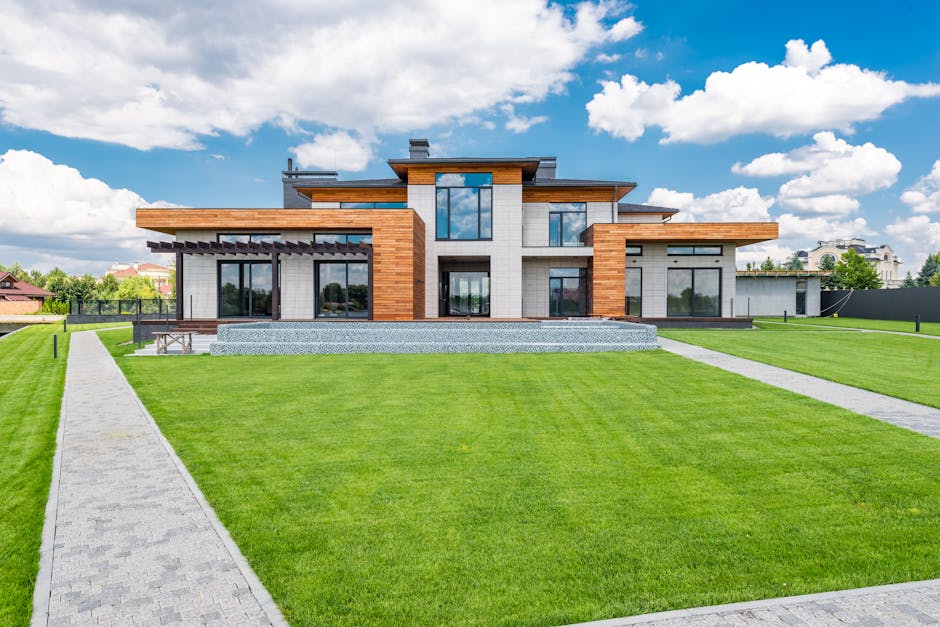
The Hwang House, a 1982 residence designed by renowned Canadian architect Arthur Erickson, has been listed for sale at $49.9 million. Commissioned in 1980 by Dr. Paul and Mrs. Josephine Hwang, the property blends Western and Eastern architectural influences and is situated in West Vancouver. The listing is handled by Daniel Tan of Angell Hasman & Associates Realty, who highlights the home's unique usability compared to other large Vancouver properties.
The 10,500-square-foot home features floor-to-ceiling windows, a koi pond with a bridging walkway, and a courtyard designed for entertaining. Significant updates have been made over the years, including a 2014 garden redesign by landscaper Donna Begg of Perennial Design, which added new cedar fencing and rebuilt waterfalls. Earlier renovations in 2011 included custom cabinetry and a partial kitchen update, while 2013 and 2014 saw carpet replacement and the conversion of fireplaces to gas.
Tan notes that the home’s layout allows for full utilization of its square footage, with skylights and water reflections creating dynamic lighting throughout the day. The property is marketed as a rare opportunity to own a residence by one of Canada’s most celebrated architects, distinguishing it from other luxury listings in the region.
Why It Matters
The listing of the Hwang House represents a significant event in the ultra-high-end residential market, offering a rare chance to acquire a primary residence designed by Arthur Erickson. Erickson is a pivotal figure in Canadian architecture, and his works are often considered cultural landmarks. The sale of such a property sets a benchmark for architectural heritage value in luxury real estate, influencing how buyers and investors perceive the premium attached to certified or historically significant designs.
For the broader market, this listing underscores the continued demand for unique, non-replicable assets in West Vancouver. While the general housing market often focuses on density and affordability, the luxury segment operates on scarcity and provenance. The Hwang House’s specific blend of traditional Chinese inspiration and West Coast modernism appeals to a niche demographic that values cultural synthesis and architectural integrity over mere square footage or location convenience alone.
Local Vancouver / Burnaby Context
West Vancouver has long been a stronghold for architectural icons and ultra-luxury estates, often commanding prices that dwarf the broader Metro Vancouver average. Properties designed by figures like Arthur Erickson are rare commodities; when they appear, they attract national and international attention. The area’s zoning and heritage considerations often protect the character of these estates, limiting new development that might obstruct views or alter the scale of historic neighborhoods.
The local luxury market is highly sensitive to architectural provenance. While standard high-end listings in areas like Point Grey or South Granville compete on location and renovation quality, Erickson-designed homes compete on historical significance. The Hwang House’s specific features, such as the feng shui-integrated water features and the extensive use of Douglas fir, reflect a specific era of West Coast modernism that is increasingly difficult to replicate due to modern building codes and material costs.
Local context also includes the broader trend of heritage preservation in British Columbia. The Vancouver Heritage Foundation and similar bodies often highlight such properties for their cultural value. While the Hwang House is not currently listed as a designated heritage property in the provided facts, its architectural importance places it in a category of homes that are often scrutinized for preservation potential, adding a layer of complexity to its sale and future use.
Market Impact
For the ultra-luxury segment, this listing reinforces the stratification of the market. Properties above $40 million operate in a different liquidity environment than the $1 million to $3 million range. The Hwang House’s price point places it among the most expensive residential listings in Canada, signaling that high-net-worth individuals are still actively seeking trophy assets.
The impact on the broader West Vancouver market is indirect but perceptual. It establishes a new ceiling for what buyers are willing to pay for architectural authorship. However, the niche nature of Erickson’s work means it does not directly compete with standard luxury homes. Buyers in this bracket are often looking for privacy, land size, and architectural uniqueness, factors that the Hwang House provides in abundance.
Liquidity for such high-value properties can be slow. The 10,500 square feet of usable space is a key selling point, as many large homes suffer from inefficient layouts. This efficiency may attract buyers who prioritize functional luxury over mere size, potentially shortening the marketing time compared to other large, poorly laid-out estates.
Investor / Buyer Takeaway
- Architectural Provenance: Buyers are paying for a specific historical artifact. Verify the authenticity of the Erickson design and any heritage designations with the Vancouver Heritage Foundation or local authorities before bidding.
- Maintenance Costs: The home features extensive water features, koi ponds, and natural materials like Douglas fir. Factor in high ongoing maintenance costs for landscaping, water systems, and specialized repairs.
- Renovation Restrictions: If the property is considered for future renovation, check local heritage bylaws. Even if not designated, the architectural significance may attract scrutiny from preservation groups.
- Liquidity Risk: Ultra-luxury homes with specific architectural niches have a smaller buyer pool. Expect a longer marketing period and potential price adjustments if the initial interest does not convert.
- Due Diligence on Updates: Review the 2011 and 2014 renovation records. Ensure that the gas fireplace conversions and structural updates (like the Douglas fir replacement) were permitted and meet current building codes.
Builder / Developer Perspective
For builders and developers, the Hwang House serves as a case study in the value of architectural authorship. The premium commanded by an Erickson design far exceeds the cost of construction or even the land value in many cases. This highlights that in the ultra-luxury sector, brand and history are primary value drivers.
However, the feasibility of replicating such a home today is limited by cost and regulation. The 2014 garden redesign by Perennial Design and the 2011 interior updates show that maintaining such a property requires significant capital. Developers looking to build new luxury homes in West Vancouver face strict zoning and heritage constraints that make it difficult to achieve the same level of integration with the landscape as Erickson did.
The listing also underscores the scarcity of new Erickson works. With the architect’s passing, his existing homes are finite assets. This scarcity supports the long-term value retention of his works, but it also means there is no new supply to absorb demand, keeping the market tight for collectors of his work.
Risk Factors
- Heritage Designation Risk: Future heritage designation could restrict renovations or alterations, limiting the buyer’s ability to modernize the home to their taste.
- High Carrying Costs: The size (10,500 sq ft), water features, and grounds require substantial ongoing maintenance, insurance, and utility costs.
- Niche Market Liquidity: The specific architectural style and price point limit the pool of potential buyers, increasing the risk of prolonged time on market.
- Regulatory Changes: Changes in local zoning or heritage bylaws in West Vancouver could impact the property’s use or future development potential.
- Condition of Updates: The 2014 updates are over a decade old. Buyers may face immediate capital expenditures for systems, roofing, or mechanicals that have not been recently updated.
BurnabyHouse Insight
The Hwang House listing is less about a typical real estate transaction and more about the transfer of a cultural asset. In a market where new construction often lacks the narrative depth of historic homes, Erickson’s work offers a tangible connection to Canada’s architectural golden age. For BurnabyHouse readers, this highlights a key trend: the ultra-luxury market is increasingly driven by provenance and uniqueness rather than just location. As supply of new luxury homes becomes constrained by zoning and cost, existing architectural icons become more valuable. However, buyers must weigh the prestige against the practicalities of maintaining a 1980s-era estate with complex water features and natural materials in a modern regulatory environment.
Community
Questions, Answers & Comments
Ask a question, add context, or leave a comment. Public posts appear after review.
No public questions or comments yet. Be the first to ask.