S&P Gain Led by Chipmakers Puts Risk Appetite Back in View
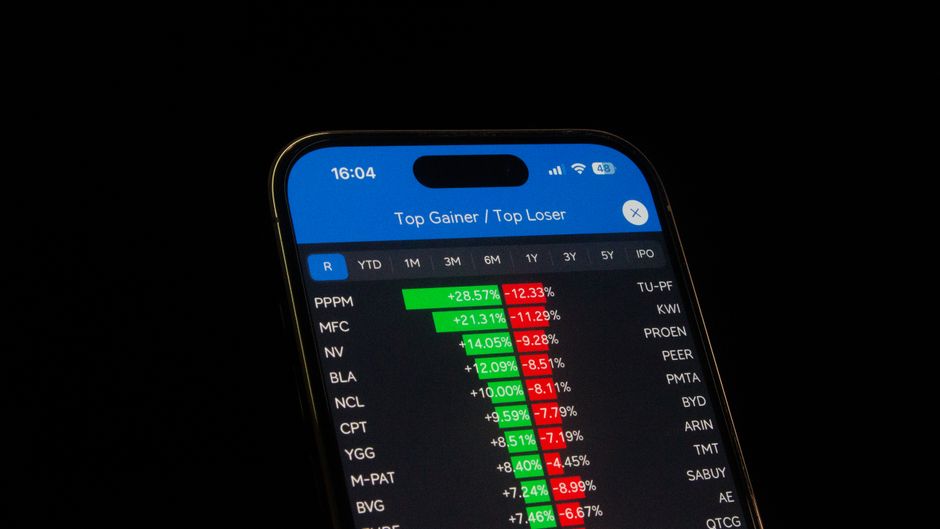
Start with reported facts, then read the Burnaby, Vancouver and BC real estate implications. BurnabyHouse separates facts, local context, buyer/investor takeaways and risk factors so commentary does not become reported fact.
What Happened
US stocks rose on Tuesday. The move extended gains to a second straight session. The S&P extended its gain during the same market move.
Chipmaker shares were identified as the leading group in the advance. Nvidia Corp. was specifically named among the chipmakers participating in the move. The advance was described as broad, with chipmaker strength helping set the tone for the wider equity market.
Chipmakers were positioned for their best two-day gain in a month. The reported market mechanism was straightforward: semiconductor-related shares, including Nvidia Corp., led the broader rise in US stocks. The key change was not a policy decision, a corporate real-estate transaction, or a local development approval, but a public-market rally tied to chipmaker momentum.
For property-market readers, the verified event is an equity-market signal rather than a direct housing-market data release. The item does not report a Canadian housing policy change, a Vancouver or Burnaby project, a mortgage-rate move, a land transaction, or a residential sales figure. Its practical relevance for a Greater Vancouver real-estate audience is therefore indirect: it points to improved risk appetite in public markets, led by chipmaker shares, during a two-session window.
Why It Matters
For housing readers, the important point is not that a stock-market rally automatically changes home values. It does not. The relevance is that public-market confidence often shapes the financial backdrop in which buyers, investors, lenders, and developers make decisions. When a broad equity advance is led by a high-profile chipmaker group including Nvidia Corp., it can influence sentiment among households and businesses whose confidence is tied to technology-sector wealth, investment portfolios, or access to growth capital.
That matters in a place like Greater Vancouver because real-estate decisions are rarely based on one variable. Buyers look at mortgage qualification, job security, portfolio values, family needs, and expectations about future liquidity. Sellers watch confidence and buyer depth. Builders and investors watch financing conditions and whether capital is becoming more cautious or more willing to take risk. A two-session stock-market gain is not a housing forecast, but it is part of the wider confidence tape that local real-estate participants monitor.
The chipmaker angle is especially relevant because it reflects market attention on technology-linked growth. For BurnabyHouse readers, the takeaway is to treat this as a macro signal, not a local market result: stronger equities can support confidence, but the article does not report any direct change to Burnaby, Vancouver, or BC housing supply, demand, zoning, taxation, lending rules, or affordability.
Local Vancouver / Burnaby Context
BurnabyHouse local context: this is an indirect market-confidence story, not a municipal housing story. The verified facts do not describe a council vote, rezoning, development application, tax change, rental rule, strata issue, or mortgage policy shift. That distinction matters for local readers because Burnaby and Vancouver property decisions are driven by concrete local rules and costs as much as by broader financial sentiment.
In Metro Vancouver, equity-market strength can still show up at the margins. A buyer with public-market exposure may feel more comfortable making a purchase when portfolios are rising. An investor may be more willing to underwrite risk if broader markets are rewarding growth. A developer may read a broad equity advance as one signal about capital-market mood, although actual project feasibility still depends on land cost, construction cost, financing terms, approval timing, achievable rents or sale prices, and local policy requirements.
The local technology link should be handled carefully. BurnabyHouse has previously tracked Vancouver technology-event context, which speaks to the region’s interest in tech-sector growth and business formation. But this specific stock-market item does not report a local hiring announcement, office expansion, startup funding round, or housing-demand estimate. The clean reading is narrower: chipmaker-led gains, including Nvidia Corp., improved the tone of US equities for a second straight session, and local real-estate participants may read that as one background confidence signal.
For Burnaby owners, Vancouver condo buyers, and regional investors, the practical lens is whether financial-market volatility affects personal balance sheets and borrowing confidence. The verified facts support a discussion about sentiment, not a conclusion about immediate price movement. Local fundamentals still need to be assessed property by property and neighbourhood by neighbourhood.
Market Impact
The likely real-estate impact is modest and indirect. A broad US stock advance led by chipmakers can improve risk appetite, which may help some buyers feel less defensive. That can matter most for households whose down payment planning, wealth perception, or employment confidence is linked to public markets or technology-sector momentum.
For the condo market, the signal is more about psychology than immediate demand. If buyers feel wealthier or less uncertain, they may re-engage with listings, but this verified report does not provide any local sales, inventory, price, or mortgage data. For detached homes or redevelopment properties, the connection is even less direct; land value and feasibility remain tied to local zoning, construction economics, financing, and end-buyer depth.
For investors, the event is a reminder that capital markets and housing markets are connected through confidence and liquidity, but not mechanically. A two-session stock rally can support sentiment, while a reversal could quickly reduce it. The market impact should therefore be read as a short-term macro mood signal, not a standalone reason to buy, sell, or reprice property.
Investor / Buyer Takeaway
- Buyers should treat the chipmaker-led equity rally as a confidence signal only, not as proof that local home prices are moving.
- Sellers may benefit if stronger market sentiment makes qualified buyers less hesitant, but local pricing still needs to match neighbourhood demand.
- Investors with exposure to public markets should stress-test decisions against volatility rather than assuming a two-session gain will persist.
- Condo buyers and pre-sale buyers should separate personal wealth effects from project fundamentals, monthly carrying cost, and financing approval.
- Watch whether broader risk appetite holds beyond this short move before changing a real-estate strategy.
Builder / Developer Perspective
For builders and developers, the verified facts do not change permitting, zoning, density, fees, construction timing, or local approval risk. The direct builder impact is therefore limited. However, public-market sentiment can still influence the environment in which development capital is raised, debt is negotiated, and pre-sale or rental assumptions are tested.
A chipmaker-led broad advance may make growth capital feel less defensive for the moment, but project feasibility in Burnaby and Vancouver remains grounded in local execution. Developers still need to solve for land price, approval duration, construction cost, financing cost, absorption risk, and whether end users can qualify. In that sense, the stock-market move is useful as a capital-market temperature check, not as a development green light.
Risk Factors
- Equity-market volatility risk: a two-session gain can reverse, which may affect buyer confidence and investor liquidity.
- Financing risk: even if market sentiment improves, borrowers still need to qualify under lender requirements and carrying-cost assumptions.
- Concentration risk: confidence tied heavily to chipmaker or technology-share performance can be fragile if that sector weakens.
- Real-estate execution risk: local property outcomes still depend on pricing, property condition, strata obligations, rental rules, and redevelopment feasibility.
- Policy risk: the stock-market move does not reduce exposure to future tax, zoning, licensing, or housing-regulation changes.
BurnabyHouse Insight
The clean BurnabyHouse read is this: chipmakers led by names including Nvidia Corp. gave US equities a stronger tone for a second straight session, and that matters to local real-estate only through confidence, liquidity, and buyer psychology. It is not a Burnaby housing catalyst on its own. Serious buyers and investors should use this as one macro input beside mortgage qualification, local inventory, zoning constraints, and household cash flow. A stronger equity tape can make people feel bolder, but in Greater Vancouver real estate, confidence only becomes market impact when it meets affordable financing and realistic pricing.
Community
Questions, Answers & Comments
Ask a question, add context, or leave a comment. Public posts appear after review.
No public questions or comments yet. Be the first to ask.
Gary Gao | Principal Real Estate Advisor · Licensed Home Builder · Former Municipal Insider
Decoding Greater Vancouver Real Estate: Leveraging Zoning, Driven by Data
Q: “Why should Greater Vancouver buyers trust a multi-discipline advisor?”
A: “Having lived in Canada for 26 years, I am not just a witness to Metro Vancouver's urban evolution, but a decoder of its underlying wealth logic .”