South Bow Agrees to $26 Million Penalty for 2022 Keystone Pipeline Spill in Kansas
Key Takeaways
- What happened
- The U.S.. Justice Department has reached a settlement agreement with South Bow LP regarding a major oil spill from the Keystone Pipeline that occurred in December 2022.
- Location
- Global markets / U.S. (indirect for Metro Vancouver)
- Key points
-
- This settlement resolves a significant legal and environmental liability for South Bow LP, the…
- Keystone Pipeline ruptured December 2022
- Keystone XL project terminated 2021
- Local impact
- Macro data and market sentiment typically feed into rates, energy prices and financing expectations first, then into Canadian mortgage rates, development financing and Metro Vancouver housing supply, demand and pricing expectations.
- Who should watch
- ['Local buyers and sellers in Burnaby and Vancouver should not expect this U.S.



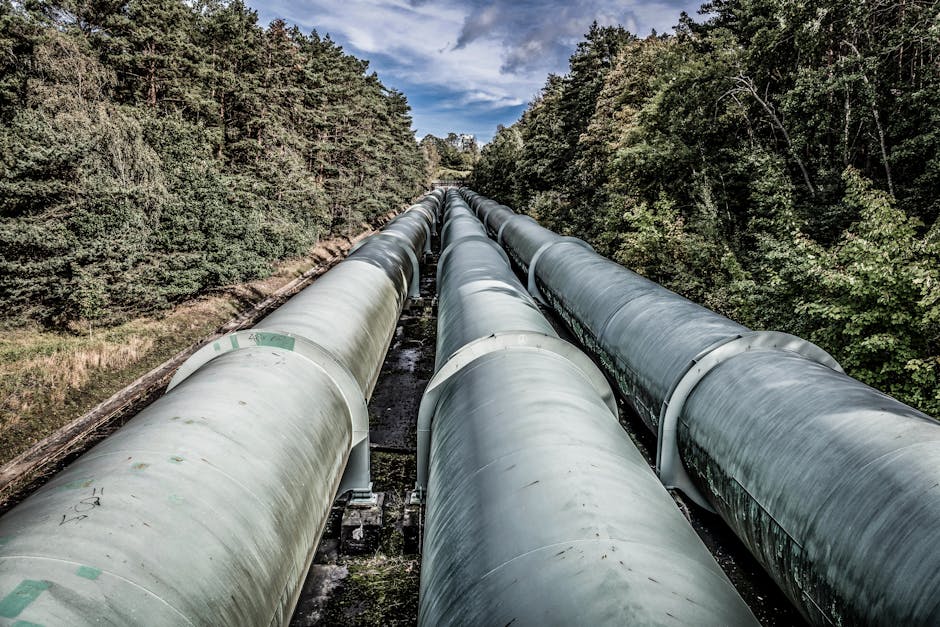
What Happened
The U.S. Justice Department has reached a settlement agreement with South Bow LP regarding a major oil spill from the Keystone Pipeline that occurred in December 2022. Under the terms of the Clean Water Act settlement, South Bow agreed to pay a $26 million civil penalty for the environmental damage caused by the rupture. The company also committed to spending $40 million on infrastructure fixes designed to prevent future spills from the pipeline system. Additionally, South Bow will pay $3 million to the state of Kansas specifically for environmental restoration efforts. The spill, which released nearly 13,000 barrels of oil, is noted as the largest ever from the Keystone Pipeline. The incident killed or sickened 2,700 animals and created an oil slick that covered 3.5 miles downstream. U.S. Attorney Ryan Kriegshauser described the event as having a massive impact on the state of Kansas. EPA Assistant Administrator Jeffery Hall stated that the substantial penalty reflects the seriousness of the environmental harm. The settlement comes amid ongoing conflict over the Keystone XL project, which was terminated in 2021 after President Joe Biden revoked its permit. Former President Donald Trump had previously taken interest in the pipeline and signed a presidential permit for it in April. Energy developers and environmental groups have battled over the Keystone XL project since its proposal in 2008.
Why It Matters
This settlement resolves a significant legal and environmental liability for South Bow LP, the owner of the Keystone Pipeline, following the 2022 rupture. The $26 million civil penalty and the $40 million commitment to infrastructure fixes represent a major financial and operational burden for the pipeline operator. The requirement to spend $40 million on fixes highlights the increasing costs associated with maintaining aging energy infrastructure and preventing environmental disasters. The $3 million payment to Kansas underscores the localized economic impact of such incidents, directing funds toward restoration. The settlement also carries symbolic weight given the political history of the Keystone XL project, which has been a flashpoint between energy developers and environmental groups since 2008. The involvement of the U.S. Justice Department and the EPA signals continued federal scrutiny of pipeline safety and environmental compliance. The case demonstrates the long-term financial risks associated with pipeline operations, even after the project's termination. The settlement may influence future regulatory approaches to pipeline permits and environmental restoration requirements. It also serves as a reminder of the potential consequences of infrastructure failures in sensitive ecosystems.
Local Vancouver / Burnaby Context
This story concerns a U.S. federal settlement regarding a pipeline spill in Kansas and does not directly involve Burnaby, Vancouver, or Greater Vancouver housing markets, zoning, or local policy. The Keystone Pipeline is a North American energy infrastructure project, and its operations and regulatory issues are primarily centered in the United States and parts of Canada, but the specific incident and settlement described here are located in Kansas. There is no direct link to local real estate transactions, development applications, or municipal regulations in the Burnaby or Vancouver area. The political history of the Keystone XL project involves U.S. federal permits and Canadian energy companies, but the settlement details are specific to U.S. environmental law and the state of Kansas. While energy markets can have broad economic implications, this specific legal resolution does not provide actionable intelligence for local property buyers, sellers, or developers in the BurnabyHouse.com coverage area. The local context for this story is limited to the broader energy sector dynamics rather than local housing market mechanics.
Market Impact
The direct market impact on local Burnaby or Vancouver real estate is negligible. The settlement involves a U.S. pipeline company and environmental penalties in Kansas. It does not affect local mortgage rates, housing inventory, or land values in Greater Vancouver. The financial penalties paid by South Bow are corporate liabilities and do not translate to local economic shifts. Investors should note that while energy sector news can influence global commodity prices, this specific settlement is a localized legal outcome with no immediate bearing on local property markets. The story is primarily of interest to those tracking energy infrastructure risks and regulatory trends in the U.S. and Canada.
Investor / Buyer Takeaway
- Local buyers and sellers in Burnaby and Vancouver should not expect this U.S. pipeline settlement to influence local housing prices or market conditions.
- Investors monitoring energy sector risks should note the financial liabilities associated with pipeline infrastructure, but these are not directly linked to local real estate assets.
- The settlement highlights the long-term costs of environmental damage, which may influence regulatory approaches to energy projects in North America.
- No immediate action is required for local property investors based on this specific legal resolution.
- Monitor broader energy market trends for potential indirect effects on inflation or interest rates, but do not anticipate direct local market shifts from this event.
Builder / Developer Perspective
For local builders and developers in Burnaby and Vancouver, this story has limited direct relevance. The settlement concerns a U.S. pipeline operator and environmental compliance in Kansas. It does not impact local zoning bylaws, development permits, or construction costs in Greater Vancouver. The financial penalties paid by South Bow are corporate expenses and do not affect local land values or development feasibility. Builders should continue to focus on local regulatory changes, housing supply policies, and market conditions in the Burnaby and Vancouver areas. The story serves as a reminder of the broader energy infrastructure landscape but does not provide actionable insights for local real estate development.
Risk Factors
- The settlement highlights the significant financial risks associated with pipeline infrastructure, including large civil penalties and mandatory infrastructure fixes.
- Environmental restoration costs can be substantial, as seen with the $3 million payment to Kansas and the $40 million commitment to fixes.
- Regulatory scrutiny of energy projects remains high, with ongoing battles between developers and environmental groups.
- Political changes can impact energy projects, as seen with the revocation and attempted revival of the Keystone XL permit.
- Long-term liability for environmental damage can persist for years, affecting corporate finances and operational strategies.
BurnabyHouse Insight
This settlement underscores the enduring financial and regulatory risks of energy infrastructure projects, even after their termination. For local readers, the key takeaway is the separation between global energy news and local real estate markets. While the Keystone Pipeline has a history in North American energy politics, this specific legal resolution in Kansas does not translate to local housing market dynamics. Burnaby and Vancouver property markets are driven by local supply, demand, interest rates, and municipal policy, not by U.S. pipeline settlements. Investors should maintain a clear distinction between energy sector risks and real estate investment strategies, focusing on local indicators for decision-making.
Community
Questions, Answers & Comments
Ask a question, add context, or leave a comment. Public posts appear after review.
No public questions or comments yet. Be the first to ask.