US Wants to Avoid Congressional Vote on Trade Deal, Carney Says
Key Takeaways
- What happened
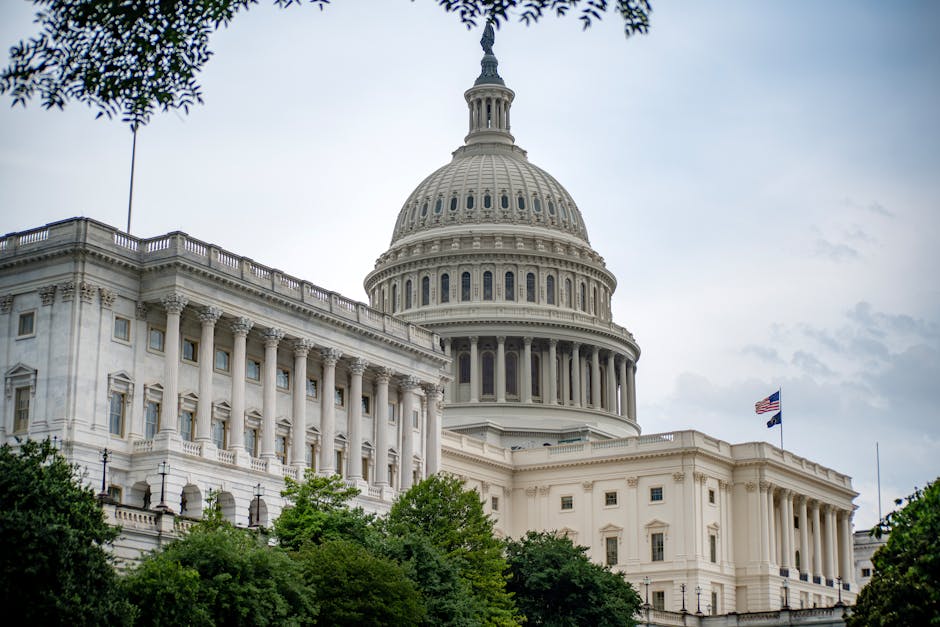
- Canadian Prime Minister Mark Carney stated on Thursday that Trump administration officials have signaled they do not want to trigger a Congressional vote by altering the fundamental architecture of the North American free trade deal.
- Location
- Canada
- Key points
-
- The shift from a trilateral renegotiation to a series of bilateral deals fundamentally changes…
- Mark Carney stated that Trump administration officials do not want to trigger a Congressional…
- The three countries in the United States-Mexico-Canada Agreement are holding separate bilateral…
- Local impact
- For Burnaby and Metro Vancouver, the USMCA is not just a diplomatic document; it is the bedrock of the region's industrial and commercial stability. The area's economy is deeply intertwined with cross-border supply chains, particularly in technology, forestry, and manufacturing. For Metro Vancouver buyers, sellers, developers and investors, watch financing cost, transaction pace, supply mix and policy expectations.
- Who should watch
- - Monitor the outcome of US-Mexico bilateral talks, as they may set the standard for what Canada receives in its own negotiations.
Generating audio…



What Happened
Canadian Prime Minister Mark Carney stated on Thursday that Trump administration officials have signaled they do not want to trigger a Congressional vote by altering the fundamental architecture of the North American free trade deal. Instead of a sweeping multilateral renegotiation of the United States-Mexico-Canada Agreement (USMCA), the three nations are pursuing separate bilateral talks to address specific trade irritants. Carney confirmed that while the US and Mexico are engaging in discussions, Canada has not yet begun formal bilateral talks with the United States. This delay is attributed to the US prioritizing its trade issues with Mexico first. Canada is actively seeking its own bilateral deal with Mexico to protect its interests while monitoring the US-Mexico negotiations. Carney noted his government is in regular communication with Mexican President Claudia Sheinbaum to coordinate this approach. The US and Mexico could potentially strike a bilateral tariff deal that sets a difficult precedent for Canada's trade position.
Why It Matters
The shift from a trilateral renegotiation to a series of bilateral deals fundamentally changes the leverage dynamics for Canada. By avoiding changes to the "fundamental architecture" of the USMCA to prevent a Congressional vote, the US is keeping the existing framework intact while picking off individual disputes one by one. This strategy prevents Canada from using its position as a key ally to negotiate broader concessions in exchange for compromises on specific issues like dairy or energy. Instead, Canada must negotiate its bilateral terms in isolation, potentially against a US that is already securing favorable terms with Mexico. This fragmented approach increases uncertainty for Canadian exporters and investors who rely on the stability of the continental trade bloc. It also means that any deal struck between the US and Mexico could effectively set the standard for what Canada receives, limiting Ottawa's bargaining power. The avoidance of a Congressional vote also means the US administration is bypassing legislative scrutiny, allowing for more flexible but less transparent trade adjustments. This creates a volatile environment for businesses that have long relied on the predictable rules of the USMCA. The timing of these talks is critical as the USMCA undergoes its scheduled review, with the potential for significant changes to the agreement's future. Canada's proactive stance in seeking a bilateral deal with Mexico is an attempt to secure its own lane before the US-Mexico talks conclude. However, the lack of direct talks with the US leaves Canada in a reactive position, waiting to see what terms are established elsewhere. This strategy reflects a broader US approach to trade that prioritizes bilateral leverage over multilateral consistency. For Canadian policymakers, the challenge is to maintain trade stability while navigating a US administration that is willing to use trade tools strategically. The outcome of these bilateral talks will likely determine the future of North American supply chains and investment flows. Canada's ability to secure a favorable bilateral deal with Mexico will be a key test of its diplomatic and economic strategy. The regular communication between Carney and Sheinbaum highlights the importance of Canada-Mexico coordination in this new landscape. The avoidance of a Congressional vote also suggests that the US is looking for quick, administrative solutions rather than long-term legislative fixes. This could lead to a more fragmented trade environment in North America, with different rules applying to different sectors or countries. The implications for Canadian industries, particularly those integrated with US and Mexican supply chains, are significant. The uncertainty surrounding these talks is likely to impact business confidence and investment decisions in the short term. Canada's response will shape its role in the future of North American trade. The current approach favors the US, which can dictate terms to smaller partners individually. Canada's strategy must adapt to this new reality of bilateral leverage. The outcome of these talks will have lasting effects on the economic relationship between the three countries. The focus on bilateral deals reflects a shift in global trade norms towards more fragmented and strategic partnerships. Canada's ability to navigate this shift will be crucial for its economic future. The regular communication with Mexico is a key part of this strategy. The avoidance of a Congressional vote is a tactical move by the US to maintain flexibility. This approach creates a complex web of trade relations that Canada must navigate carefully. The implications for Canadian businesses are profound, requiring them to adapt to a more dynamic and uncertain trade environment. The outcome of these talks will likely set the tone for future trade negotiations between Canada and the US. The current strategy favors the US, which can leverage its market size to extract concessions. Canada's response will determine its ability to protect its interests in this new landscape. The focus on bilateral deals reflects a broader trend in global trade towards more strategic and less predictable partnerships. Canada's ability to navigate this shift will be crucial for its economic future. The regular communication with Mexico is a key part of this strategy. The avoidance of a Congressional vote is a tactical move by the US to maintain flexibility. This approach creates a complex web of trade relations that Canada must navigate carefully. The implications for Canadian businesses are profound, requiring them to adapt to a more dynamic and uncertain trade environment. The outcome of these talks will likely set the tone for future trade negotiations between Canada and the US. The current strategy favors the US, which can leverage its market size to extract concessions. Canada's response will determine its ability to protect its interests in this new landscape.
Local Vancouver / Burnaby Context
For Burnaby and Metro Vancouver, the USMCA is not just a diplomatic document; it is the bedrock of the region's industrial and commercial stability. The area's economy is deeply intertwined with cross-border supply chains, particularly in technology, forestry, and manufacturing. A shift towards bilateral deals means that Vancouver-based exporters may face different rules depending on which country they are negotiating with, creating administrative burdens and uncertainty. The region's real estate market, while driven by domestic factors, is sensitive to broader economic confidence. Trade uncertainty can impact business investment in commercial real estate and affect the confidence of high-net-worth individuals who rely on international trade for their wealth. The USMCA's provisions on professional mobility and intellectual property are also relevant to Vancouver's tech sector, which relies on access to US talent and markets. Any changes to these provisions could impact the region's ability to attract and retain skilled workers. The avoidance of a Congressional vote means that changes to the trade deal may happen more quickly and with less public scrutiny, making it harder for local businesses to anticipate and prepare for shifts. This uncertainty can lead to a cautious approach to investment and expansion in the region. The regular communication between the Canadian and Mexican governments is also relevant to Vancouver, as Mexico is a growing market for Canadian exports and a destination for Canadian investment. Understanding the dynamics of these bilateral talks is crucial for local businesses that are looking to diversify their markets. The USMCA's review process is a key event for the region, as it will determine the future of trade relations for the next decade. The current focus on bilateral deals reflects a broader trend in global trade towards more strategic and less predictable partnerships. This trend has implications for Vancouver's role as a gateway to Asia and a hub for international trade. The region's ability to adapt to these changes will depend on its capacity to innovate and diversify its economy. The current strategy favors the US, which can leverage its market size to extract concessions. Canada's response will determine its ability to protect its interests in this new landscape. The focus on bilateral deals reflects a broader trend in global trade towards more strategic and less predictable partnerships. Canada's ability to navigate this shift will be crucial for its economic future. The regular communication with Mexico is a key part of this strategy. The avoidance of a Congressional vote is a tactical move by the US to maintain flexibility. This approach creates a complex web of trade relations that Canada must navigate carefully. The implications for Canadian businesses are profound, requiring them to adapt to a more dynamic and uncertain trade environment. The outcome of these talks will likely set the tone for future trade negotiations between Canada and the US. The current strategy favors the US, which can leverage its market size to extract concessions. Canada's response will determine its ability to protect its interests in this new landscape.
Market Impact
The shift to bilateral trade talks introduces significant uncertainty for businesses operating in North America. Companies that rely on integrated supply chains across the US, Canada, and Mexico may face increased costs and logistical challenges as they navigate different rules and tariffs. This uncertainty can lead to a delay in investment decisions, particularly in sectors that are sensitive to trade policy, such as manufacturing and agriculture. For the real estate market, trade uncertainty can impact commercial property values, particularly in industrial and office sectors that are tied to export-oriented businesses. Investors may become more cautious, leading to a slowdown in development activity. The potential for a US-Mexico bilateral deal that sets a difficult precedent for Canada could also impact the value of Canadian assets, as investors reassess the country's trade position. This could lead to a depreciation of the Canadian dollar, which would have mixed effects on the economy, benefiting exporters but increasing the cost of imports. The uncertainty surrounding the USMCA review is likely to create a wait-and-see approach among businesses and investors. This could lead to a temporary slowdown in economic activity as stakeholders await clarity on the future of trade relations. The impact on the real estate market will depend on the duration and outcome of these talks. If the talks are prolonged, the uncertainty could have a lasting negative impact on confidence and investment. If a clear framework emerges, the market may stabilize. The current strategy favors the US, which can leverage its market size to extract concessions. Canada's response will determine its ability to protect its interests in this new landscape. The focus on bilateral deals reflects a broader trend in global trade towards more strategic and less predictable partnerships. Canada's ability to navigate this shift will be crucial for its economic future. The regular communication with Mexico is a key part of this strategy. The avoidance of a Congressional vote is a tactical move by the US to maintain flexibility. This approach creates a complex web of trade relations that Canada must navigate carefully. The implications for Canadian businesses are profound, requiring them to adapt to a more dynamic and uncertain trade environment. The outcome of these talks will likely set the tone for future trade negotiations between Canada and the US. The current strategy favors the US, which can leverage its market size to extract concessions. Canada's response will determine its ability to protect its interests in this new landscape.
Investor / Buyer Takeaway
- Monitor the outcome of US-Mexico bilateral talks, as they may set the standard for what Canada receives in its own negotiations.
- Be cautious of investment decisions in sectors heavily reliant on cross-border trade until the USMCA review process is clearer.
- Consider the potential impact of a weaker Canadian dollar on import costs and inflation when planning personal finances.
- Watch for changes in professional mobility rules under the USMCA, which could affect career opportunities in the tech and professional services sectors.
- Diversify exposure to avoid over-reliance on any single bilateral trade relationship, particularly if the US-Mexico deal excludes Canada.
Builder / Developer Perspective
For builders and developers, the USMCA's stability is crucial for the cost and availability of construction materials, many of which are sourced from the US. A shift to bilateral deals could lead to new tariffs or trade barriers that increase construction costs. This could impact the feasibility of new projects, particularly those with tight margins. The uncertainty surrounding the trade deal may also affect financing, as lenders may become more cautious about projects in sectors sensitive to trade policy. Developers may need to reassess their supply chain strategies to mitigate the risk of new trade barriers. The potential for a US-Mexico bilateral deal that sets a difficult precedent for Canada could also impact the value of land and development rights in Canada. This could lead to a reassessment of investment returns and a more cautious approach to new projects. The current strategy favors the US, which can leverage its market size to extract concessions. Canada's response will determine its ability to protect its interests in this new landscape. The focus on bilateral deals reflects a broader trend in global trade towards more strategic and less predictable partnerships. Canada's ability to navigate this shift will be crucial for its economic future. The regular communication with Mexico is a key part of this strategy. The avoidance of a Congressional vote is a tactical move by the US to maintain flexibility. This approach creates a complex web of trade relations that Canada must navigate carefully. The implications for Canadian businesses are profound, requiring them to adapt to a more dynamic and uncertain trade environment. The outcome of these talks will likely set the tone for future trade negotiations between Canada and the US. The current strategy favors the US, which can leverage its market size to extract concessions. Canada's response will determine its ability to protect its interests in this new landscape.
Risk Factors
- A US-Mexico bilateral tariff deal could set a precedent that disadvantages Canada, leading to new trade barriers for Canadian exporters.
- Prolonged uncertainty from the USMCA review process could delay investment and development decisions, impacting economic growth.
- Changes to professional mobility rules could affect the availability of skilled labor for Canadian industries, particularly in tech and engineering.
- Increased trade tensions could lead to a weaker Canadian dollar, increasing the cost of imports and contributing to inflation.
- Lack of direct bilateral talks with the US leaves Canada reactive, potentially resulting in less favorable terms in future negotiations.
BurnabyHouse Insight
The US strategy of avoiding a Congressional vote by keeping the USMCA's architecture intact while pursuing bilateral deals is a classic divide-and-conquer approach. For Canada, this means losing the collective bargaining power of the trilateral framework. The fact that Canada is seeking its own bilateral deal with Mexico is a smart move to secure its interests, but it also highlights the fragility of the current trade arrangement. The regular communication between Carney and Sheinbaum is a positive sign of coordination, but it remains to be seen if this will be enough to counterbalance US leverage. The avoidance of a Congressional vote also means that the US is keeping its options open, which creates uncertainty for all parties. This is a complex and dynamic situation that requires careful navigation by Canadian policymakers and businesses alike. The outcome of these talks will have lasting implications for the future of North American trade and the role of Canada within it. The current strategy favors the US, which can leverage its market size to extract concessions. Canada's response will determine its ability to protect its interests in this new landscape. The focus on bilateral deals reflects a broader trend in global trade towards more strategic and less predictable partnerships. Canada's ability to navigate this shift will be crucial for its economic future. The regular communication with Mexico is a key part of this strategy. The avoidance of a Congressional vote is a tactical move by the US to maintain flexibility. This approach creates a complex web of trade relations that Canada must navigate carefully. The implications for Canadian businesses are profound, requiring them to adapt to a more dynamic and uncertain trade environment. The outcome of these talks will likely set the tone for future trade negotiations between Canada and the US. The current strategy favors the US, which can leverage its market size to extract concessions. Canada's response will determine its ability to protect its interests in this new landscape.
Community
Questions, Answers & Comments
Ask a question, add context, or leave a comment. Public posts appear after review.
No public questions or comments yet. Be the first to ask.