Vancouver's Commercial Drive Sees Surge in Social Housing Approvals
Key Takeaways
- What happened
- Vancouver’s Commercial Drive is experiencing a significant increase in social housing development, with the northern end of the corridor seeing a concentrated wave of new projects approved by city council since 2023.
- Location
- The development is located on Vancouver's Commercial Drive.
- Key points
-
- The surge in social housing projects on Commercial Drive signals a strategic shift in…
- Since 2023, a combined total of 284 social housing apartments have been approved in the area
- Years of redesigns and controversy over the Commercial Drive tower development
- Local impact
- Commercial Drive has long been a cultural and commercial hub in Vancouver, known for its vibrant Italian heritage and bustling retail scene. In recent years, the northern end of the drive has become a focal point for social housing development, driven by provincial mandates under the BC Housing Supply Act and local housing targets. For Metro Vancouver buyers, sellers, developers and investors, watch financing cost, transaction pace, supply mix and policy expectations.
- Who should watch
- ['Buyers should monitor how the concentration of social housing affects neighbourhood perception and property values in the short term.', 'Investors near Commercial Drive may face increased regulatory scrutiny or community opposition to…



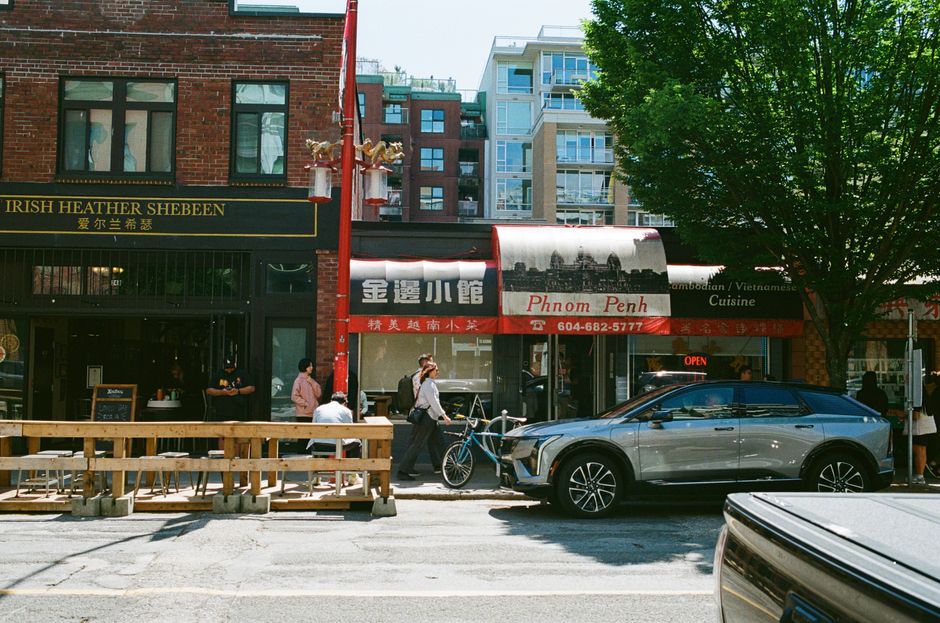
What Happened
Vancouver’s Commercial Drive is experiencing a significant increase in social housing development, with the northern end of the corridor seeing a concentrated wave of new projects approved by city council since 2023. A public hearing is scheduled for Thursday to allow community input on the ongoing Commercial Drive tower development, which has faced years of redesigns and controversy. This latest review comes as the area continues to transform, reflecting a broader municipal push for affordable housing in high-demand neighbourhoods. The city has approved a combined total of 284 social housing apartments in the area since 2023, marking a substantial shift in the local housing landscape. Another proposal for 40 social housing homes is set to be considered by council on July 16, further adding to the density of new developments in the vicinity. These approvals highlight the intensifying focus on social housing supply along one of Vancouver’s most iconic commercial streets.
Why It Matters
The surge in social housing projects on Commercial Drive signals a strategic shift in Vancouver’s approach to affordable housing, particularly in high-traffic, transit-adjacent neighbourhoods. By concentrating social housing in areas with strong commercial activity and access to the Commercial-Broadway SkyTrain station, the city aims to maximize accessibility for low-income residents while revitalizing underutilized sites. This trend also reflects the pressure on Vancouver’s housing market, where traditional affordable options are scarce, and social housing serves as a critical safety net. The controversy and redesigns associated with the Commercial Drive tower development underscore the challenges of balancing community concerns, architectural integrity, and housing needs. As more projects come forward, the neighbourhood’s character and infrastructure will likely face increased strain, requiring careful management of traffic, parking, and community services. The approval of 284 units since 2023 demonstrates a tangible commitment to addressing the housing crisis, but it also raises questions about the long-term sustainability of such dense social housing clusters without adequate support systems.
Local Vancouver / Burnaby Context
Commercial Drive has long been a cultural and commercial hub in Vancouver, known for its vibrant Italian heritage and bustling retail scene. In recent years, the northern end of the drive has become a focal point for social housing development, driven by provincial mandates under the BC Housing Supply Act and local housing targets. The BC government requires municipalities to meet specific housing targets, and Vancouver has responded by rezoning sites for social and affordable housing, particularly near transit corridors. The Commercial-Broadway area, with its high density and transit connectivity, is a prime candidate for such developments. However, the concentration of social housing in this area has sparked debate among residents and business owners about the impact on neighbourhood character, property values, and public safety. Local advocacy groups have called for more transparent planning processes and greater community engagement in the design and management of these projects. The trend also reflects broader challenges in Vancouver’s housing market, where rising costs and limited supply have pushed affordable housing needs to the forefront of municipal policy. While social housing provides essential support for vulnerable populations, its rapid expansion in specific neighbourhoods requires careful coordination with city services, including policing, waste management, and healthcare. The upcoming July 16 council decision on the 40-unit proposal will be a key indicator of how Vancouver balances these competing interests in the coming years.
Market Impact
The increase in social housing on Commercial Drive is likely to have mixed effects on the local real estate market. For renters, the addition of 284 units since 2023 provides much-needed affordable options, potentially easing pressure on the low-end rental market. However, the concentration of social housing may also lead to perceptions of neighbourhood decline, which could dampen demand for nearby condos and townhomes. Property owners in the immediate vicinity might see slower appreciation or increased volatility as the area’s character shifts. For investors, the trend highlights the importance of proximity to transit and social infrastructure, but it also introduces risks related to community sentiment and potential regulatory changes. The approval of more social housing could lead to stricter zoning or development controls in the area, affecting future redevelopment feasibility. Additionally, the presence of social housing may influence buyer preferences, with some families or professionals opting for neighbourhoods perceived as more stable or upscale. Overall, the market impact will depend on how well the city manages the integration of these projects and addresses community concerns.
Investor / Buyer Takeaway
- Buyers should monitor how the concentration of social housing affects neighbourhood perception and property values in the short term.
- Investors near Commercial Drive may face increased regulatory scrutiny or community opposition to future developments.
- Renters may benefit from more affordable options, but should assess the quality and management of new social housing projects.
- Developers should anticipate longer approval timelines and greater community engagement requirements for projects in the area.
- Watch for city council decisions on the July 16 proposal as a barometer for future social housing trends in Vancouver.
Builder / Developer Perspective
For builders and developers, the surge in social housing on Commercial Drive presents both opportunities and challenges. On one hand, the city’s push for affordable housing creates demand for construction services and potential partnerships with housing providers. On the other hand, the controversy and redesigns associated with the Commercial Drive tower development highlight the complexities of navigating community opposition and regulatory hurdles. Developers may face higher costs due to extended planning processes, design modifications, and community engagement requirements. Additionally, the concentration of social housing in specific areas could lead to stricter zoning or density limits, affecting the feasibility of future projects. Financing may also become more challenging as lenders assess the risks associated with social housing developments in contested neighbourhoods. Despite these challenges, the trend underscores the importance of aligning with municipal housing goals and building strong relationships with community stakeholders to ensure project success.
Risk Factors
- Community opposition could delay or derail future social housing projects on Commercial Drive.
- Stricter zoning or development controls may limit the scope of future affordable housing initiatives.
- Perception issues could negatively impact property values and buyer demand in the immediate vicinity.
- Increased strain on city services may lead to higher taxes or fees for local residents and businesses.
- Regulatory changes under the BC Housing Supply Act could alter the timeline and scope of approved projects.
BurnabyHouse Insight
The transformation of Commercial Drive into a hub for social housing is a microcosm of Vancouver’s broader housing crisis and the city’s attempt to address it through targeted development. While the approval of 284 units since 2023 is a significant step toward affordability, the controversy surrounding the Commercial Drive tower development reveals the tension between housing needs and neighbourhood identity. For local readers, the key takeaway is that social housing is no longer a peripheral issue but a central driver of urban change in Vancouver. The city’s ability to manage this transition—through transparent planning, adequate infrastructure, and community engagement—will determine whether these projects succeed in providing stable housing without undermining the social fabric of the area. As more proposals come forward, the focus should shift from whether social housing is built to how it is integrated into the neighbourhood in a way that benefits all residents.
Community
Questions, Answers & Comments
Ask a question, add context, or leave a comment. Public posts appear after review.
No public questions or comments yet. Be the first to ask.