Mary Hill Bypass Night Closures Start July 6 for Geotechnical Work
Key Takeaways
- What happened
- The B.C.. Ministry of Transportation and Transit has announced nighttime lane closures on the Mary Hill Bypass in Coquitlam and Port Coquitlam, beginning Monday, July 6.
- Location
- From United Boulevard on- and off-ramp to Shaughnessy and Argue streets intersection on Mary Hill Bypass.
- Key points
-
- The Mary Hill Bypass is a critical transportation link between Coquitlam and Port Coquitlam,…
- B.C.
- Increased noise expected at Mary Hill Bypass during nighttime geotechnical investigations and…
- Local impact
- The Mary Hill Bypass is a vital artery for residents of Coquitlam and Port Coquitlam, providing a direct route to Highway 1 and the broader regional network. The extended timeline of the geotechnical work, extending well into 2026, reflects the complexity of infrastructure planning in the rapidly growing Fraser Valley. For Metro Vancouver buyers, sellers, developers and investors, watch financing cost, transaction pace, supply mix and policy expectations.
- Who should watch
- ['Commuters in Coquitlam and Port Coquitlam should plan for extended travel times on the Mary Hill Bypass and Mount Lehman Interchange until at least 2026.', 'Commercial operators should secure special permits for oversized loads or…
Generating audio…


What Happened
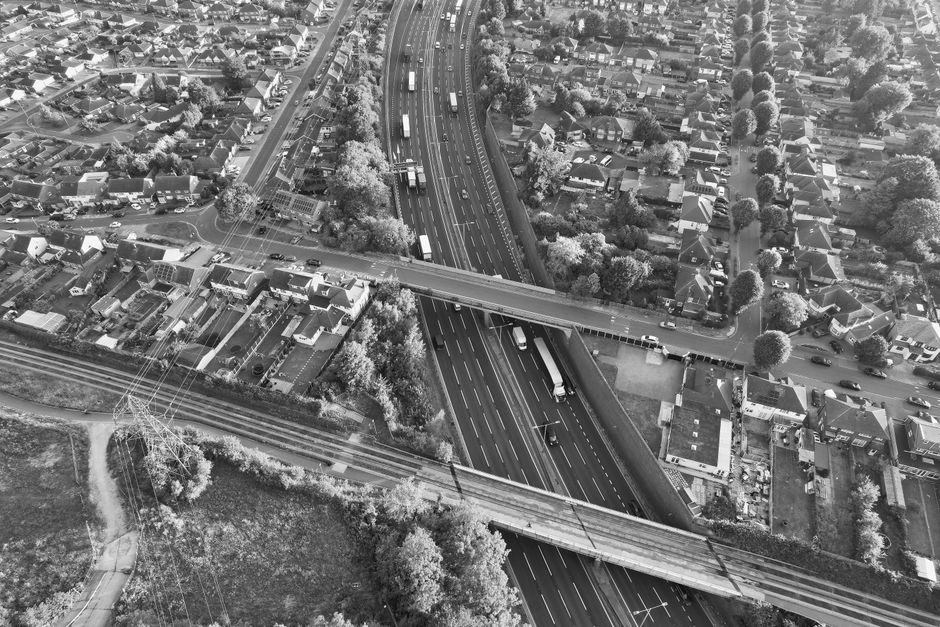
The B.C. Ministry of Transportation and Transit has announced nighttime lane closures on the Mary Hill Bypass in Coquitlam and Port Coquitlam, beginning Monday, July 6. These closures are designed to facilitate geotechnical investigations and drilling for corridor planning purposes. The work will take place from the United Boulevard on- and off-ramp through to the intersection of Shaughnessy and Argue streets. Drivers should expect increased noise and traffic delays during the construction period. The Ministry is directing commuters to DriveBC for real-time updates on road conditions and closures.
The lane closures will occur from 9 p.m. until 6 a.m., Monday through Thursday, and are scheduled to continue until August 17, 2026. During these hours, one travel lane will remain open in each direction to maintain traffic flow. General commercial traffic measuring three metres or less is permitted to travel during the closures, while oversized loads will require special permits or alternative routes. No lane closures are planned during weekends.
This project is part of a broader infrastructure effort by the B.C. government, which is investing over $100 million in resurfacing more than 200 kilometres of highways and roads across the 低陆平原 and Vancouver Island this summer. The resurfacing work covers the Abbotsford area, Hope, and the North Shore. Additionally, ongoing widening of Highway 1 through the Fraser Valley is increasing the number of lanes on the Mount Lehman Interchange from three to five. Traffic on the Mount Lehman structure has been reduced from three to two lanes to accommodate this construction, a reduction expected to last until the end of 2026.
Why It Matters
The Mary Hill Bypass is a critical transportation link between Coquitlam and Port Coquitlam, serving as a major connector for commuters traveling between the 低陆平原 and the Fraser Valley. The extended duration of the nighttime closures, stretching from July 6, 2024, to August 17, 2026, indicates a long-term commitment to corridor planning and infrastructure assessment. This timeline suggests that the geotechnical work is foundational for future highway expansions or safety improvements, rather than a short-term repair.
For daily commuters and commercial operators, the combination of nighttime lane closures and the concurrent reduction of lanes on the Mount Lehman Interchange creates a compounding effect on regional traffic capacity. The requirement for oversized loads to secure special permits or find alternative routes adds logistical complexity for the construction and logistics industries. The B.C. government's investment of over $100 million in resurfacing highlights a strategic focus on maintaining the integrity of the regional highway network, but it also signals a period of prolonged disruption for users of these corridors.
The reduction of the Mount Lehman Interchange from three to two lanes until the end of 2026 is particularly significant for traffic flow between the 低陆平原 and the Fraser Valley. This bottleneck, combined with the Mary Hill Bypass work, will likely necessitate route adjustments for many travelers. The Ministry's emphasis on DriveBC as the primary source for updates underscores the dynamic nature of these conditions, requiring drivers to stay informed to avoid unexpected delays.
Local Vancouver / Burnaby Context
The Mary Hill Bypass is a vital artery for residents of Coquitlam and Port Coquitlam, providing a direct route to Highway 1 and the broader regional network. The extended timeline of the geotechnical work, extending well into 2026, reflects the complexity of infrastructure planning in the rapidly growing Fraser Valley. This area has seen significant population growth, increasing pressure on existing highway capacity. The Ministry's decision to conduct geotechnical investigations now is likely aimed at preparing for future widening or safety enhancements to accommodate this growth.
The concurrent work on Highway 1, including the widening of the Mount Lehman Interchange, is part of the B.C. government's broader strategy to improve traffic flow and safety in the Fraser Valley. The reduction of lanes on the Mount Lehman structure until the end of 2026 is a significant change for commuters traveling between Abbotsford, Hope, and the 低陆平原. This reduction is necessary to facilitate the expansion from three to five lanes, but it will likely result in increased travel times and congestion during the construction period.
The B.C. government's investment of over $100 million in resurfacing over 200 kilometres of highways and roads in the 低陆平原 and Vancouver Island this year demonstrates a commitment to maintaining the region's transportation infrastructure. This work covers key areas such as the Abbotsford area, Hope, and the North Shore. For residents and businesses in these regions, the resurfacing work will bring its own set of disruptions, including potential lane closures and noise. The combination of these projects highlights the ongoing challenges of managing infrastructure maintenance and expansion in a high-growth region.
Market Impact
The extended lane closures on the Mary Hill Bypass and the reduced capacity on the Mount Lehman Interchange will likely increase travel times for commuters and commercial operators in the Coquitlam, Port Coquitlam, and Fraser Valley areas. This increased travel time can have indirect economic impacts, including higher fuel costs and reduced productivity for businesses reliant on timely deliveries. The requirement for special permits for oversized loads may also increase operational costs for the construction and logistics sectors.
For the real estate market, the prolonged infrastructure work may influence property values and buyer preferences in the short term. Residents in areas adjacent to the Mary Hill Bypass may experience increased noise and disruption, which could be a concern for potential buyers. However, the long-term benefits of improved highway capacity and safety may support property values in the Fraser Valley as the region continues to grow. The B.C. government's investment in resurfacing and widening projects is likely to have a positive impact on the overall functionality and appeal of the regional highway network.
The reduction of lanes on the Mount Lehman Interchange until the end of 2026 is a significant factor for commuters traveling between the 低陆平原 and the Fraser Valley. This bottleneck may lead to increased reliance on alternative routes, such as the Trans-Canada Highway, which could experience its own congestion issues. The dynamic nature of these conditions, with updates provided via DriveBC, means that travelers must remain flexible and informed to navigate the region effectively.
Investor / Buyer Takeaway
- Commuters in Coquitlam and Port Coquitlam should plan for extended travel times on the Mary Hill Bypass and Mount Lehman Interchange until at least 2026.
- Commercial operators should secure special permits for oversized loads or identify alternative routes to avoid delays during the nighttime closures.
- Real estate buyers in the Fraser Valley should consider the long-term infrastructure improvements as a positive factor for future property values, despite short-term disruptions.
- Drivers should monitor DriveBC for real-time updates on lane closures and traffic conditions to avoid unexpected delays.
- The B.C. government's investment in highway resurfacing and widening indicates a focus on regional connectivity, which may support economic growth in the 低陆平原 and Fraser Valley.
Builder / Developer Perspective
The geotechnical work on the Mary Hill Bypass is a precursor to potential future highway expansions or safety improvements, which could impact land use and development opportunities in the surrounding areas. The extended timeline of the work, extending into 2026, suggests a long-term commitment to infrastructure planning. For builders and developers, this may mean navigating a period of increased traffic congestion and logistical challenges when accessing sites in the Coquitlam and Port Coquitlam areas.
The concurrent widening of Highway 1 through the Fraser Valley and the expansion of the Mount Lehman Interchange are significant infrastructure projects that will likely increase demand for housing and commercial space in the region. The B.C. government's investment of over $100 million in resurfacing over 200 kilometres of highways and roads in the 低陆平原 and Vancouver Island this summer demonstrates a commitment to maintaining the region's transportation infrastructure. This investment is likely to support economic growth and development in the region, but it also requires careful planning to manage the associated disruptions.
The reduction of lanes on the Mount Lehman Interchange until the end of 2026 is a critical factor for builders and developers operating in the Fraser Valley. This bottleneck may increase the cost and time required to transport materials and equipment to construction sites. Builders should work closely with the B.C. Ministry of Transportation and Transit to understand the specific requirements for oversized loads and alternative routes. The dynamic nature of these conditions, with updates provided via DriveBC, means that builders must remain flexible and informed to manage their operations effectively.
Risk Factors
- Prolonged traffic delays on the Mary Hill Bypass and Mount Lehman Interchange could impact daily commutes and commercial operations.
- Increased noise and disruption for residents living near the Mary Hill Bypass during the nighttime geotechnical work.
- Logistical challenges for builders and developers due to lane reductions and requirements for special permits for oversized loads.
- Potential for unexpected road closures or changes in traffic patterns, requiring drivers to stay informed via DriveBC.
- The extended timeline of the work, extending into 2026, may lead to cumulative fatigue and frustration among commuters and commercial operators.
BurnabyHouse Insight
The B.C. Ministry of Transportation and Transit's announcement of nighttime lane closures on the Mary Hill Bypass until August 2026 signals a long-term commitment to corridor planning in the Fraser Valley. This extended timeline is indicative of the complexity of infrastructure projects in a high-growth region. The concurrent work on Highway 1, including the widening of the Mount Lehman Interchange, highlights the government's focus on improving regional connectivity. For residents and businesses, this means navigating a period of significant disruption, but also anticipating long-term benefits from improved highway capacity and safety. The B.C. government's investment of over $100 million in resurfacing and widening projects underscores the importance of maintaining the region's transportation infrastructure to support economic growth.
Community
Questions, Answers & Comments
Ask a question, add context, or leave a comment. Public posts appear after review.
No public questions or comments yet. Be the first to ask.