Langley’s Highway 1 bottleneck gets $74.2 million fix as CPKC overpass replacement nears
Start with reported facts, then read the Burnaby, Vancouver and BC real estate implications. BurnabyHouse separates facts, local context, buyer/investor takeaways and risk factors so commentary does not become reported fact.
What Happened
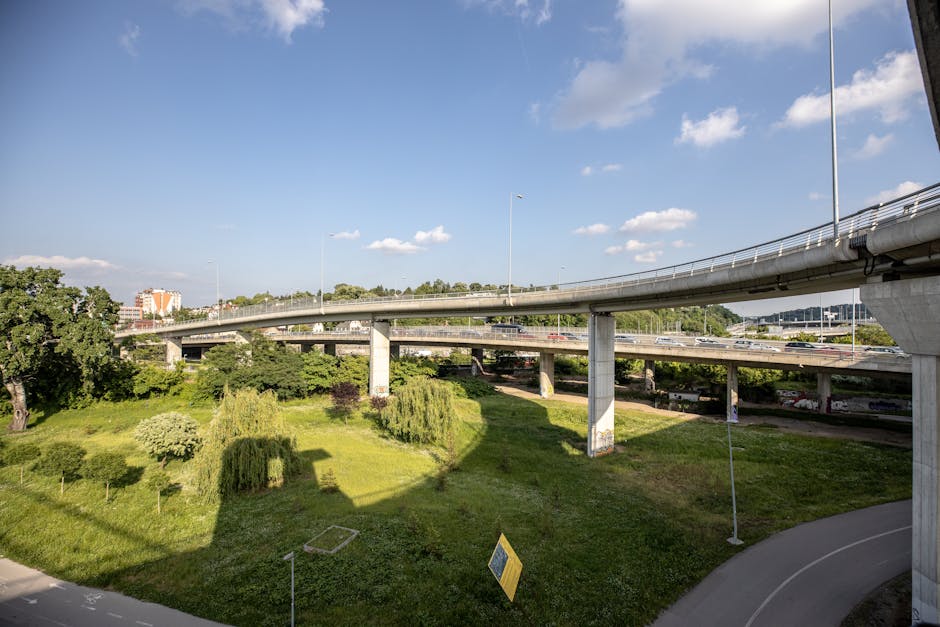
The B.C. Ministry of Transportation and Transit has awarded a $74.2 million contract to the Metro Vancouver-based Norland Kingston General Partnership to replace the CPKC rail overpass on Highway 1 near Langley. Construction on the new overpass is scheduled to begin in summer 2026. The project is a critical component of the ongoing Fraser Valley Highway 1 Corridor Improvement Program, which aims to widen the corridor and alleviate chronic congestion. The new structure will span the highway between 216th Street and 264th Street, replacing the existing rail-overpass that has become a significant traffic choke point. A primary engineering update involves increasing the vertical clearance for commercial vehicles from the current 4.4 metres to 5.2 metres. This height adjustment is designed to prevent future overpass crashes, which have previously occurred at this location and caused safety hazards and traffic delays. The widening initiative also includes the addition of new high-occupancy vehicle lanes in both directions to improve traffic flow. By addressing both the physical infrastructure limitations and the volume of traffic, the ministry aims to reduce the time commuters spend in the Langley area. The contract award marks a decisive step toward resolving a long-standing regional transportation issue.
Why It Matters
This infrastructure upgrade directly addresses a major safety and efficiency failure point in the Fraser Valley’s primary arterial road. The previous overpass crashes were not just inconveniences; they posed serious risks to commercial drivers and created unpredictable bottlenecks that rippled through the regional supply chain. By increasing clearance to 5.2 metres, the province is future-proofing the corridor against the growing size of modern freight vehicles. This reduces the likelihood of costly accidents and the associated traffic paralysis that often follows such incidents. For commuters and businesses, the addition of high-occupancy vehicle lanes and the overall widening of Highway 1 promise more reliable travel times. This reliability is crucial for a region that is rapidly densifying and relies heavily on Highway 1 for access to Vancouver and the airport. The project signals a continued provincial commitment to maintaining the economic viability of the Fraser Valley corridor despite population growth.
Local Vancouver / Burnaby Context
Highway 1 serves as the central spine of the Greater Vancouver transportation network, connecting Burnaby, 素里, and Langley to the broader regional economy. The stretch near Langley, specifically between 216th and 264th Streets, has long been identified as a critical bottleneck due to the interaction between heavy rail traffic and highway congestion. The CPKC rail line runs directly over the highway at this point, creating a fixed vertical constraint that has historically limited commercial traffic flow. The current 4.4-metre clearance is increasingly inadequate for modern freight standards, leading to the aforementioned crashes. The Fraser Valley Highway 1 Corridor Improvement Program is a multi-phase effort to widen the highway and upgrade these critical intersections. While the focus here is transportation, the efficiency of Highway 1 directly impacts property values and development feasibility in Langley and the surrounding Fraser Valley municipalities. Reliable access is a key factor for industrial and residential buyers who prioritize commute times. The province’s investment in this specific overpass replacement underscores the importance of maintaining the integrity of the Highway 1 corridor as the region continues to expand its housing and commercial targets.
Market Impact
For the immediate area, the construction phase will likely cause temporary traffic disruptions and noise, which may affect nearby residential properties and local businesses. However, the long-term impact is positive for property liquidity and value. Improved highway access and reduced commute times make the Langley corridor more attractive to buyers who work in Vancouver or 素里. The widening of Highway 1 supports higher density development by ensuring the infrastructure can handle the increased traffic generated by new housing and commercial projects. For investors, the reduction in traffic bottlenecks enhances the appeal of the area for both rental and ownership markets. The project also benefits the industrial sector by ensuring smoother freight movement, which can lower logistics costs for businesses located along the corridor.
Investor / Buyer Takeaway
- Buyers in Langley should monitor the construction timeline, as summer 2026 marks the start of major work that could temporarily impact access.
- Long-term property values in the 216th to 264th Street corridor are likely to benefit from improved highway reliability and safety.
- Investors should consider the impact of the new high-occupancy vehicle lanes on traffic patterns and commute times for potential tenants.
- Sellers can leverage the upcoming infrastructure improvements as a selling point, highlighting the reduced congestion and enhanced safety features.
- Watch for any changes in local zoning or development approvals that may accompany the highway widening to maximize density potential.
Builder / Developer Perspective
Developers and builders in the Langley area will benefit from the improved accessibility provided by the Highway 1 widening project. The increased clearance and additional lanes reduce the risk of traffic-related delays for construction materials and equipment. The project’s alignment with the Fraser Valley Corridor Improvement Program suggests that the province is prioritizing infrastructure to support future growth. Builders should anticipate increased demand for housing and commercial space in the area as commute times improve. However, they must also plan for the temporary disruptions during the construction phase, which could affect site logistics and timing. The $74.2 million contract indicates significant provincial investment, which often precedes further development incentives or zoning changes to accommodate growth.
Risk Factors
- Construction delays could extend the period of traffic disruption, impacting local businesses and commuter satisfaction.
- Potential cost overruns on the $74.2 million contract may affect the timeline for subsequent phases of the Highway 1 widening project.
- Changes in traffic patterns during construction could lead to increased congestion in adjacent local streets.
- Environmental or archaeological findings during excavation could halt work and delay the summer 2026 start date.
- Long-term maintenance costs for the new overpass and widened highway may require future funding allocations.
BurnabyHouse Insight
The replacement of the CPKC overpass is more than just a road fix; it is a critical enabler for the Fraser Valley’s growth. By addressing the 4.4-metre clearance issue, the province is acknowledging the limitations of older infrastructure in the face of modern freight demands. This project highlights the interplay between transportation policy and real estate development: without reliable access, density targets are harder to achieve. For BurnabyHouse readers, the key takeaway is that infrastructure investment in Langley is accelerating, which supports long-term property value stability. The focus on safety and efficiency suggests a proactive approach to managing the region’s expansion, benefiting both current residents and future buyers.
Community
Questions, Answers & Comments
Ask a question, add context, or leave a comment. Public posts appear after review.
No public questions or comments yet. Be the first to ask.
Gary Gao | Principal Real Estate Advisor · Licensed Home Builder · Former Municipal Insider
Decoding Greater Vancouver Real Estate: Leveraging Zoning, Driven by Data
Q: “Why should Greater Vancouver buyers trust a multi-discipline advisor?”
A: “Having lived in Canada for 26 years, I am not just a witness to Metro Vancouver's urban evolution, but a decoder of its underlying wealth logic .”