Eby: Federal-B.C. Condo Buy-Up Excludes Vancouver Developers, Targets Rent-to-Own
Key Takeaways
- What happened
- British Columbia Premier David Eby and Prime Minister Mark Carney jointly announced a joint federal-B.C.. plan to potentially finance the purchase of 2,200 empty homes across the province.
- Location
- Global markets / U.S. (indirect for Metro Vancouver)
- Key points
-
- The distinction between Vancouver and the rest of the province is critical for understanding…
- Eby said the Vancouver condo market and its glut of unsold units will ultimately correct itself…
- Eby stated the plan will not assist developers in the City of Vancouver because the economics…
- Local impact
- In Burnaby and the broader Metro Vancouver region, the exclusion of the City of Vancouver from the condo buy-up plan has significant implications for local developers and investors. For Metro Vancouver buyers, sellers, developers and investors, watch financing cost, transaction pace, supply mix and policy expectations.
- Who should watch
- ['Buyers in the City of Vancouver should expect the market to self-correct without direct government subsidy, potentially leading to more negotiating power.', "Renters in other parts of Metro Vancouver and the Lower Mainland should watch…
Generating audio…


What Happened
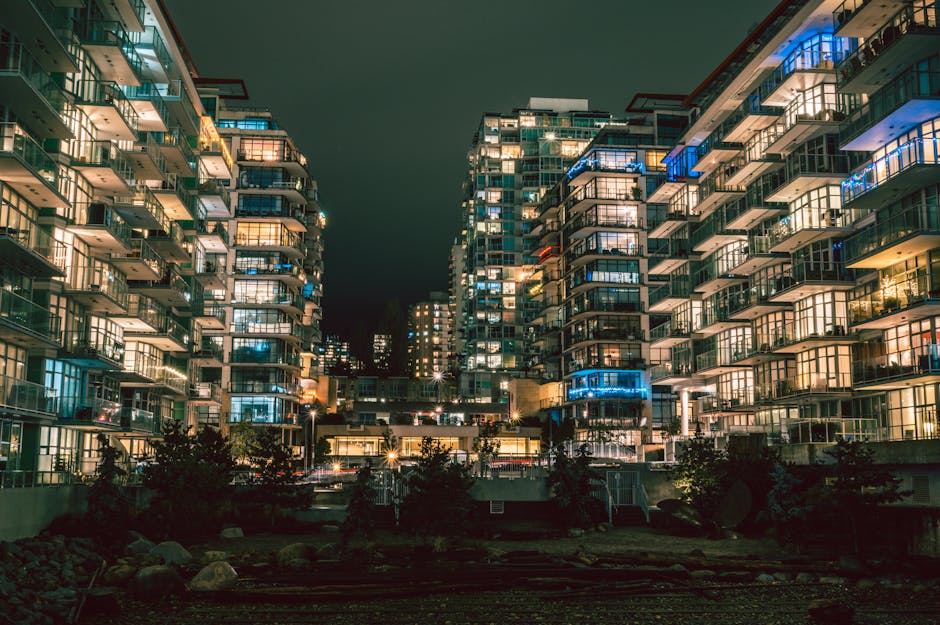
British Columbia Premier David Eby and Prime Minister Mark Carney jointly announced a joint federal-B.C. plan to potentially finance the purchase of 2,200 empty homes across the province. Eby clarified that the initiative will not assist developers within the City of Vancouver because the high cost of construction and land prices make the economics unviable there. Instead, the government intends to target 'priority growth areas' in other parts of Metro Vancouver, the 低陆平原, and the broader province where empty homes can be acquired for less than the cost of new construction. The plan involves using half of the federal funds to buy unsold condominiums, which will then be made available to British Columbians through a rent-to-own program. This approach aims to help buyers who cannot afford down payments but are paying high rents, while also addressing the glut of unsold units in the market. Eby emphasized that the Vancouver condo market is expected to correct itself without government intervention, stating the government 'doesn't have to do it' but sees a financial opportunity elsewhere. Critics, including urban planner Andy Yan, have questioned whether the plan is a genuine affordable housing initiative or a bailout for developers making bad business decisions.
Why It Matters
The distinction between Vancouver and the rest of the province is critical for understanding the trajectory of local housing policy. By explicitly excluding the City of Vancouver due to cost structures, the government signals that the condo market in the core is expected to self-correct through market forces rather than direct subsidy. This creates a bifurcated approach to housing affordability: direct intervention in secondary markets where economics favor acquisition, and market reliance in the primary market where acquisition costs exceed construction costs. For buyers and renters, the rent-to-own mechanism offers a potential pathway to ownership for those priced out of the traditional market, particularly in areas outside the city core. However, the lack of a cost estimate from the federal housing ministry leaves the scale and financial impact of the program uncertain. The debate over whether this constitutes a 'bailout' highlights the tension between stabilizing the financial sector and delivering tangible affordable housing outcomes.
Local Vancouver / Burnaby Context
In Burnaby and the broader Metro Vancouver region, the exclusion of the City of Vancouver from the condo buy-up plan has significant implications for local developers and investors. Burnaby, as a key part of the 低陆平原, may see increased activity if the 'priority growth areas' include municipalities where land and construction costs are lower than in Vancouver. This could shift development focus and investment towards these areas. The high cost of construction and land in Vancouver means that buying existing unsold units is not economically feasible for the government, unlike in other parts of the province. This aligns with local market realities where Vancouver's condo market has a significant glut of unsold units, but the high entry costs prevent a simple government purchase solution. Local context suggests that while the plan aims to stabilize the broader provincial market, Vancouver's unique economic conditions require different policy tools. The rent-to-own program could impact rental demand and pricing in targeted areas, potentially offering an alternative to traditional renting for middle-income households. However, the lack of clarity on which specific municipalities are 'priority growth areas' leaves local stakeholders waiting for more details on how this will affect regional housing dynamics.
Market Impact
The exclusion of Vancouver from the buy-up plan suggests that the city's condo market will continue to face pressure from the glut of unsold units without direct government price support. This could lead to further price adjustments or longer selling periods for developers in the city. In contrast, targeted areas outside Vancouver may see a boost in demand for rent-to-own options, potentially stabilizing prices in those regions. The program could also impact the rental market by converting some rental inventory into potential future ownership, reducing rental supply in the short term. For investors, the plan may signal a shift in government focus towards secondary markets, potentially affecting land values and development feasibility in those areas. The overall market sentiment may remain cautious as the lack of a cost estimate and the debate over 'bailout' versus 'affordable housing' create uncertainty.
Investor / Buyer Takeaway
- Buyers in the City of Vancouver should expect the market to self-correct without direct government subsidy, potentially leading to more negotiating power.
- Renters in other parts of Metro Vancouver and the 低陆平原 should watch for rent-to-own opportunities in 'priority growth areas' as a potential pathway to ownership.
- Investors in Vancouver condos should be aware that the high cost of construction and land makes the city unviable for the government buy-up program, meaning no direct price floor from this initiative.
- Sellers in the Vancouver condo market may face continued competition from unsold units, as the government is not intervening to purchase them.
- Watch for the federal housing ministry's cost estimate and the specific list of 'priority growth areas' to understand where the program will have the most impact.
Builder / Developer Perspective
For developers in the City of Vancouver, the exclusion from the buy-up plan means they cannot rely on government purchases to clear inventory. The high cost of construction and land in the city makes it economically unviable for the government to buy existing units, forcing developers to navigate the market glut through traditional sales channels. This reinforces the need for competitive pricing and marketing strategies to attract buyers. In other parts of the province, developers may see an opportunity if their unsold units are in 'priority growth areas,' as the government buy-up could provide a guaranteed buyer for some inventory. However, the rent-to-own structure may offer lower immediate returns compared to traditional sales. The lack of a cost estimate from the federal housing ministry adds uncertainty to the scale of potential government purchases, making it difficult for developers to plan accordingly. The debate over whether the plan is a 'bailout' also highlights the political sensitivity of government intervention in the real estate sector.
Risk Factors
- Policy uncertainty: The lack of a cost estimate and specific 'priority growth areas' creates ambiguity for developers and investors.
- Market self-correction risk: If Vancouver's condo market does not correct as expected, developers may face prolonged financial strain.
- Political backlash: The debate over 'bailout' versus 'affordable housing' could lead to changes in the program's implementation or funding.
- Rental supply impact: Converting rental units to rent-to-own could reduce available rental inventory, potentially driving up rents in targeted areas.
- Execution risk: The complexity of a joint federal-provincial program may lead to delays or inefficiencies in implementation.
BurnabyHouse Insight
The government's decision to exclude Vancouver from the condo buy-up program is a clear signal that the city's housing market is being treated as a distinct economic entity, one that must find its own equilibrium. This is not a dismissal of the crisis, but a recognition that the economics of Vancouver are fundamentally different from the rest of the province. For Burnaby and other 低陆平原 municipalities, the focus on 'priority growth areas' suggests a targeted approach to stabilization, rather than a broad-based rescue. This could lead to a divergence in market performance, with Vancouver facing a longer, more painful correction while other areas see some relief through the rent-to-own program. The key for local stakeholders is to watch which municipalities are designated as 'priority growth areas,' as this will determine where the government's financial muscle is applied. Until then, the Vancouver condo market remains on its own, with developers and buyers navigating a glut of inventory without a government safety net.
Community
Questions, Answers & Comments
Ask a question, add context, or leave a comment. Public posts appear after review.
No public questions or comments yet. Be the first to ask.