ELM Developments and Fiera Break Ground on 205-Unit Rental at 270 Sheppard West
Key Takeaways
- What happened
- ELM Developments and Fiera Real Estate broke ground on June 17 at 270 Sheppard Avenue West, transforming a site acquired in January into a 10-storey purpose-built rental building.
- Location
- 270 Sheppard Avenue West
- Key points
-
- The speed of this project highlights a critical mechanism in Toronto’s housing supply chain:…
- The approved design was redrawn from a 'wedding-cake' design into an efficient mid-rise.
- The project avoided rezoning by keeping the existing nine-storey zoning and obtaining a minor…
- Local impact
- While this development is located in Toronto, its implications for the Greater Toronto Area (GTA) and broader Canadian housing market are significant. The GTA has seen home sales rise and new listings shrink in recent months, indicating pent-up demand and market uncertainty. For Metro Vancouver buyers, sellers, developers and investors, watch financing cost, transaction pace, supply mix and policy expectations.
- Who should watch
- ['Buyers should note that the rapid delivery of family-sized rentals may reduce competition for larger homes in the GTA, potentially easing price pressures in specific neighborhoods.', 'Investors in nearby properties may see value support…
Generating audio…


What Happened
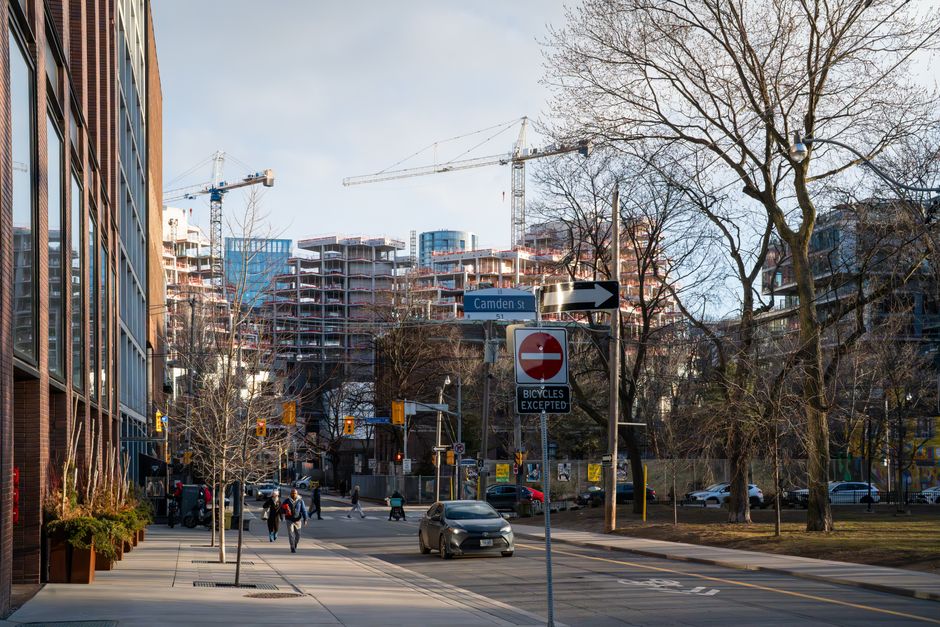
ELM Developments and Fiera Real Estate broke ground on June 17 at 270 Sheppard Avenue West, transforming a site acquired in January into a 10-storey purpose-built rental building. The project will deliver 205 suites, with approximately two-thirds designated as two- and three-bedroom units, including 15 three-bedroom homes. By retaining the existing nine-storey zoning and securing a minor variance, the developers avoided the lengthy rezoning process that typically delays Toronto rental projects. Demolition permits for the six existing houses on the lot were issued on June 4, with the building permit accepted the same week. Shoring is scheduled to begin in mid-July, with the first residents expected to move in during late 2028. The development is located steps from the Sheppard–Yonge Station, a major transit interchange in Toronto. Elliot Steiner of ELM Developments and Henryk Gelbert of Fiera Real Estate emphasized the durability of demand for family-sized rental homes near transit. The project utilizes a geothermal system for heating and cooling to reduce emissions and utility costs for tenants. Approximately 6,500 square feet of street-level retail space is included, designed to accommodate a café and specialty grocer. Amenities will include a fitness room, co-working space, pet wash, and a rooftop terrace. Fiera Real Estate, which manages C$8.2 billion in commercial real estate, is the institutional equity partner in the joint venture. ELM Forward, ELM’s in-house construction arm, is serving as the builder for the project.
Why It Matters
The speed of this project highlights a critical mechanism in Toronto’s housing supply chain: bypassing rezoning to accelerate delivery. While national housing starts fell to their lowest level since 2009 in 2025, projects like 270 Sheppard West demonstrate how institutional capital can move quickly when sites are de-risked. The focus on family-sized units addresses a specific market gap, as the industry has historically prioritized studios and one-bedroom units. This shift toward larger units near transit anchors like Sheppard–Yonge Station responds to families renting by choice and necessity. The use of a minor variance to add 15% more suites than the original design allowed shows how small regulatory adjustments can increase density without full rezoning. The project’s timeline, moving from acquisition to groundbreaking in under five months, sets a benchmark for rapid execution in a market where rental projects often spend years in approval. The inclusion of geothermal systems and ground-floor retail also reflects a broader trend toward sustainable, mixed-use developments that support long-term neighborhood vitality. This approach contrasts with the traditional "wedding-cake" design, which was redrawn to maximize gross floor area efficiency. The project underscores the role of institutional investors like Fiera in stabilizing rental supply through durable, transit-oriented assets.
Local Vancouver / Burnaby Context
While this development is located in Toronto, its implications for the Greater Toronto Area (GTA) and broader Canadian housing market are significant. The GTA has seen home sales rise and new listings shrink in recent months, indicating pent-up demand and market uncertainty. The focus on family-sized rentals in Toronto mirrors trends in Vancouver and Burnaby, where housing affordability and supply constraints are pressing issues. In Burnaby, local knowledge indicates that soft welfare programs, such as free swimming lessons for children, can subtly support rental and resale values by attracting families. Similarly, the availability of family-sized units in Toronto can influence migration patterns and housing demand across the region. The national housing start data, which fell to its lowest level since 2009, highlights a tightening supply that affects buyers and investors nationwide. In Vancouver, the BC Housing Targets provide a framework for local governments to meet housing needs, emphasizing the importance of diverse unit types. The shift toward institutional investment in rental housing, as seen with Fiera Real Estate, is also relevant to Vancouver’s market, where rental demand is high. The use of geothermal systems and efficient design in Toronto reflects broader sustainability trends that are increasingly important in Canadian real estate. The project’s proximity to Sheppard–Yonge Station, a fourth-busiest stop on Toronto’s subway, underscores the value of transit-oriented development in urban centers. This model of rapid, dense, family-focused rental construction can serve as a reference for other Canadian cities facing similar housing challenges.
Market Impact
The delivery of 205 family-oriented rental units near a major transit hub will provide relief to households seeking larger homes in Toronto’s constrained market. The focus on two- and three-bedroom units addresses a scarcity that has long affected families in the city. The project’s rapid timeline demonstrates that institutional capital can accelerate supply when regulatory barriers are minimized. This could influence investor sentiment toward rental assets in transit-rich neighborhoods. The inclusion of ground-floor retail and amenities enhances the neighborhood’s walkability and appeal, potentially supporting nearby property values. The use of geothermal systems may set a precedent for sustainable rental developments, lowering long-term operating costs. The project’s success in avoiding rezoning could encourage other developers to pursue similar strategies for faster delivery. The presence of institutional equity from Fiera Real Estate signals confidence in the durability of rental demand. This development may also impact the condo market by offering an alternative for buyers who cannot afford to purchase but need space. The project’s location near Earl Bales Park and transit adds to its appeal, potentially attracting a diverse tenant base. The rapid demolition and construction timeline highlights the efficiency of ELM’s in-house builder, ELM Forward. The project’s design, which maximizes suite count through a minor variance, shows how small adjustments can increase density. The focus on family-sized units may help stabilize neighborhood demographics by retaining young families. The project’s completion in late 2028 will add to Toronto’s rental supply at a time when national starts are low. The inclusion of a specialty grocer and café at street level supports local commerce and community engagement. The project’s success could influence future land acquisitions and development strategies in the GTA.
Investor / Buyer Takeaway
- Buyers should note that the rapid delivery of family-sized rentals may reduce competition for larger homes in the GTA, potentially easing price pressures in specific neighborhoods.
- Investors in nearby properties may see value support from the improved transit connectivity and retail amenities, but should monitor the impact of increased rental supply on local rents.
- Sellers of existing rental properties near Sheppard–Yonge Station should be aware that new, modern, sustainable alternatives may attract tenants, potentially affecting occupancy rates.
- Families looking to rent should watch for the availability of the 15 three-bedroom units, which are likely to be in high demand due to their scarcity in the market.
- Investors should consider the durability of institutional-backed rental assets, as they may offer more stability in uncertain market conditions compared to smaller, privately held properties.
Builder / Developer Perspective
ELM Developments and Fiera Real Estate demonstrate how institutional capital can accelerate rental delivery by avoiding rezoning and using minor variances to increase density. The project’s efficiency, moving from acquisition to groundbreaking in under five months, highlights the importance of de-risked sites and streamlined approvals. ELM Forward’s role as the in-house builder ensures control over construction timelines and costs. The redesign from a "wedding-cake" condo plan to an efficient mid-rise rental maximizes gross floor area, improving financial feasibility. The focus on family-sized units addresses a market gap, offering a product that is harder to find but in durable demand. The use of geothermal systems reduces long-term operating costs, enhancing the asset’s value for institutional investors. The project’s location near Sheppard–Yonge Station and Earl Bales Park adds to its appeal, supporting pre-leasing potential. The inclusion of ground-floor retail creates a mixed-use environment that supports neighborhood vitality. The project’s success in bypassing rezoning delays sets a benchmark for rapid execution in Toronto’s rental market. The joint venture structure allows Fiera to deploy institutional equity efficiently, leveraging ELM’s development expertise. The project’s timeline, with shoring starting in mid-July and completion in late 2028, reflects a disciplined approach to construction. The focus on sustainability and community amenities aligns with broader trends in urban development. The project’s design, which adds 15% more suites through a minor variance, shows how small regulatory adjustments can increase density. The project’s success may influence future land acquisitions and development strategies in the GTA. The presence of institutional equity signals confidence in the long-term viability of rental assets in transit-rich neighborhoods.
Risk Factors
- Construction delays could impact the late 2028 completion date, affecting tenant move-in timelines and investor returns.
- Rental market softening in the GTA could reduce occupancy rates and rental income, particularly for larger units.
- Changes in zoning or minor variance policies could affect the project’s density and financial feasibility.
- Rising construction costs or material shortages could increase expenses, impacting the project’s profitability.
- Interest rate fluctuations could affect the cost of financing for both the developer and potential buyers in the surrounding area.
BurnabyHouse Insight
The 270 Sheppard West project is a case study in how institutional capital can bypass traditional development bottlenecks to deliver housing faster. By retaining existing zoning and using a minor variance, ELM and Fiera avoided the years-long rezoning process that plagues many Toronto rental projects. This approach not only accelerates supply but also increases density, adding 15% more suites than the original design allowed. The focus on family-sized units addresses a critical gap in the market, where studios and one-bedrooms have dominated. The project’s rapid timeline, from acquisition to groundbreaking in under five months, demonstrates the efficiency of institutional investors like Fiera, which manages C$8.2 billion in commercial real estate. The use of geothermal systems and ground-floor retail reflects a broader trend toward sustainable, mixed-use developments that support long-term neighborhood vitality. For Burnaby and Vancouver investors, this model offers lessons in how to navigate regulatory hurdles and deliver high-demand housing types. The project’s success could influence future land acquisitions and development strategies in the GTA, particularly in transit-rich neighborhoods. The focus on family-sized units may help stabilize neighborhood demographics by retaining young families, a trend also seen in Vancouver’s efforts to attract and retain families. The project’s completion in late 2028 will add to Toronto’s rental supply at a time when national starts are low, highlighting the importance of institutional investment in addressing housing shortages.
Community
Questions, Answers & Comments
Ask a question, add context, or leave a comment. Public posts appear after review.
No public questions or comments yet. Be the first to ask.