BC Gov Invests in KPU to Add 462 Skilled Trades Seats in Surrey
Key Takeaways
- What happened
- The British Columbia government has announced that Kwantlen Polytechnic University (KPU) in Surrey will receive 462 new skilled-trades training seats for the 2026-27 academic year.
- Location
- Surrey, British Columbia; KPU campus
- Key points
-
- This investment directly targets the supply side of the housing and infrastructure crisis by…
- KPU to receive 462 new skilled-trades training seats this year
- Total trades-training seats at KPU to 1,762 this year
- Local impact
- Surrey is currently one of the fastest-growing cities in Canada, with significant residential and commercial development underway. The demand for skilled trades in the Surrey-Langley area is intensifying as density increases and infrastructure projects expand. For Metro Vancouver buyers, sellers, developers and investors, watch financing cost, transaction pace, supply mix and policy expectations.
- Who should watch
- ['Buyers should monitor construction timelines for new developments in Surrey, as labour availability is a key risk factor for delivery dates.', "Investors in pre-sale condos should assess the developer's track record for managing labour…



What Happened
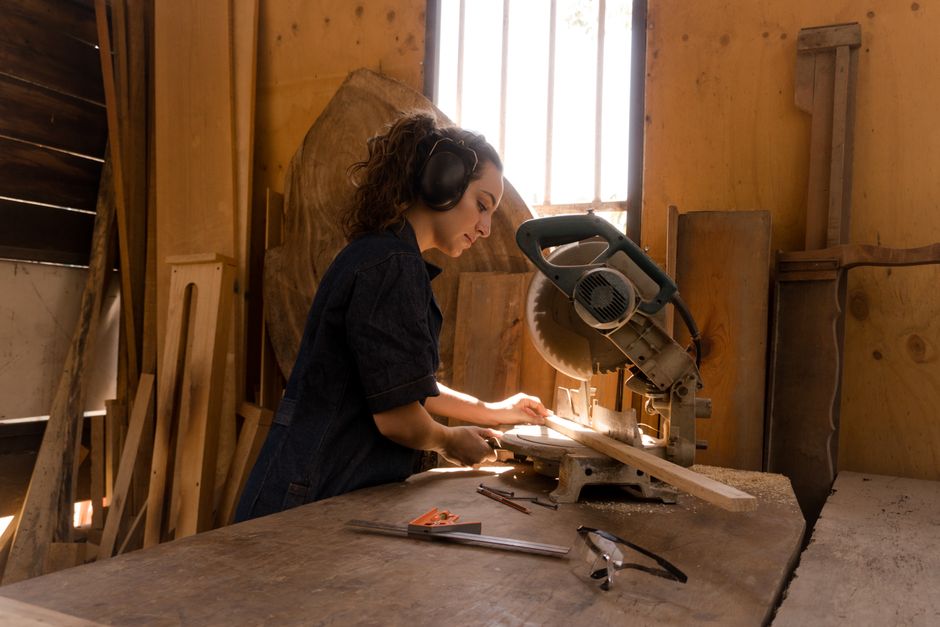
The British Columbia government has announced that Kwantlen Polytechnic University (KPU) in 素里 will receive 462 new skilled-trades training seats for the 2026-27 academic year. This expansion brings the institution's total capacity for trades training to 1,762 seats, a move designed to address immediate labour shortages in the region. Premier 尹大卫 stated that the initiative ensures British Columbians are prioritized for the jobs created by major infrastructure and housing projects. The funding is part of the provincial Look West strategy, which allocates $241 million over three years to strengthen skilled trades training across the province. Officials emphasized that increasing capacity will help reduce wait lists for in-demand apprenticeship programs and provide economic certainty during a period of rapid growth. KPU President Jessie Sunner noted that the additional seats allow for training closer to home, directly supporting the province's housing and infrastructure goals.
Why It Matters
This investment directly targets the supply side of the housing and infrastructure crisis by attempting to accelerate the pipeline of skilled workers. By adding hundreds of seats at a major 低陆平原 institution, the government aims to shorten the time it takes for residents to enter high-demand trades like electrician, plumber, and carpentry. Reducing wait lists is critical because bottlenecks in apprenticeship registration often delay project timelines and keep wages artificially high due to labour scarcity. The Look West strategy's $241 million commitment signals a sustained provincial effort to align education capacity with the demographic and economic expansion of the 低陆平原. Without this capacity, the province risks failing to meet its housing targets due to a lack of qualified construction labour.
Local Vancouver / Burnaby Context
素里 is currently one of the fastest-growing cities in Canada, with significant residential and commercial development underway. The demand for skilled trades in the 素里-Langley area is intensifying as density increases and infrastructure projects expand. KPU serves as a primary educational hub for this region, making its capacity limits a direct constraint on local labour supply. Historically, wait lists for skilled trades programs in BC have been a persistent issue, often forcing students to defer entry or travel out of province. This expansion at KPU is a localized response to that bottleneck. The Look West strategy specifically targets the 低陆平原's labour market, recognizing that generic provincial funding does not address the specific density of demand in cities like 素里 and Vancouver. Local brokerage experience suggests that labour availability is now a primary factor in construction cost inflation and project feasibility in Metro Vancouver.
Market Impact
In the short term, this announcement has minimal direct impact on current housing prices or sales volumes. However, it addresses a fundamental constraint on new supply. If the 462 new seats are filled and graduates enter the workforce efficiently, it could help moderate construction cost growth in the 2027-2029 window. For the condo and rental markets, a more robust labour supply is essential to deliver the thousands of units currently in the pipeline. Delays in trades hiring are a common cause of project slippage; reducing wait lists may improve delivery reliability for developers.
Investor / Buyer Takeaway
Buyers should monitor construction timelines for new developments in 素里, as labour availability is a key risk factor for delivery dates. - Investors in pre-sale condos should assess the developer's track record for managing labour costs, as trades shortages continue to pressure budgets. - Those looking to enter the market should note that government focus on trades training is a long-term supply-side fix, not a short-term price stabilizer. - Watch for announcements on specific trades in highest demand, as wage growth in those sectors will continue to influence construction costs. - Rental investors should consider that increased housing supply in 素里 will eventually increase competition, potentially capping rent growth in the medium term.
Builder / Developer Perspective
Developers benefit from any expansion in skilled trades capacity as it reduces the risk of project delays due to labour shortages. However, the 462 new seats at KPU are a small fraction of the total labour demand in the 低陆平原. Developers remain sensitive to the pace at which these new graduates can become productive journeymen. Financing and pre-sale conditions are increasingly tied to construction cost stability, which is directly influenced by trades labour supply. If the Look West strategy successfully reduces wait lists, it may improve feasibility for smaller infill projects that are highly sensitive to labour costs.
Risk Factors
Implementation risk: New seats do not guarantee immediate labour availability if instructors or equipment are not ready. - Cost inflation: Even with more seats, overall construction costs may remain high if material costs and land prices continue to rise. - Retention risk: Graduates may leave the trades or move to other provinces if wages do not keep pace with inflation. - Regulatory risk: Changes in apprenticeship certification requirements could slow the entry of new workers into the market. - Project slippage: If the new seats are not filled or utilized effectively, the anticipated relief in labour supply will not materialize.
BurnabyHouse Insight
The government's focus on KPU highlights a shift from simply funding construction to funding the labour required to build. 素里's growth is outpacing the natural supply of skilled workers, creating a structural bottleneck. While $241 million over three years is a significant commitment, it must be viewed as a baseline effort to keep pace with the 低陆平原's expansion. The real test will be whether these 462 seats translate into actual productivity on job sites within 18 to 24 months. For the housing market, this is a necessary but insufficient condition for stabilizing costs; it addresses the labour side of the equation but not the land, zoning, or financing constraints that also drive prices.
Community
Questions, Answers & Comments
Ask a question, add context, or leave a comment. Public posts appear after review.
No public questions or comments yet. Be the first to ask.