BC Gov Approves FortisBC’s $2B Tilbury LNG Expansion for Marine Fuelling
Key Takeaways
- What happened
- The British Columbia government issued an Order in Council on July 24, 2026, exempting FortisBC’s Tilbury LNG Facility Phase 1B expansion from the requirement to obtain a Certificate of Public Convenience and Necessity under the Utilities Commission Act.
- Location
- Tilbury LNG Facility, Delta, Metro Vancouver.
- Key points
-
- This regulatory exemption accelerates the timeline for a major industrial project that is…
- FortisBC Phase 1B expansion approved via Order in Council exempting from Certificate of Public…
- Project part of Look West strategy and BC's 10-year goal to attract $200 billion in major…
- Local impact
- The Tilbury LNG Facility is situated in Delta, within the Metro Vancouver region, placing it in close proximity to major residential and industrial zones. For Metro Vancouver buyers, sellers, developers and investors, watch financing cost, transaction pace, supply mix and policy expectations.
- Who should watch
- ['Real estate investors should monitor Delta and adjacent Metro Vancouver industrial zones for potential spillover effects from increased maritime logistics activity.', 'Homebuyers in Delta should be aware that major industrial expansions…



What Happened
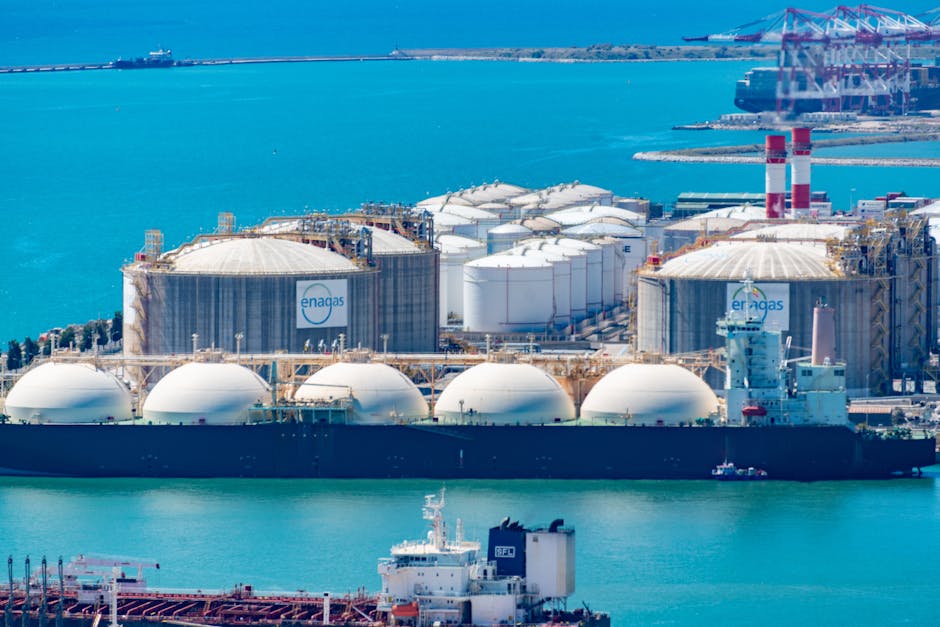
The British Columbia government issued an Order in Council on July 24, 2026, exempting FortisBC’s Tilbury LNG Facility Phase 1B expansion from the requirement to obtain a Certificate of Public Convenience and Necessity under the Utilities Commission Act. This regulatory move clears a key administrative hurdle for the utility company’s plan to expand its liquefied natural gas plant located on Tilbury Island in Delta, Metro Vancouver. The project represents an investment of more than $2 billion aimed at increasing LNG production capacity specifically for marine transportation fuelling rather than traditional export markets. Minister of Energy and Climate Solutions Adrian Dix announced the decision, framing the expansion as a critical step in reducing emissions by providing a cleaner alternative to diesel for ships along the western coast of North America. The approval also facilitates an opportunity for the Musqueam Indian Band to become an equity partner in the project, advancing economic reconciliation efforts alongside the energy infrastructure development.
Why It Matters
This regulatory exemption accelerates the timeline for a major industrial project that is central to British Columbia’s strategy for decarbonizing the marine sector. By removing the need for a Certificate of Public Convenience and Necessity, the government has signaled strong support for FortisBC’s infrastructure, allowing the $2 billion investment to proceed without this specific legislative delay. The project is a key component of the provincial Look West strategy, which aims to attract $200 billion in major project investments over ten years to grow the regional economy and create jobs. The facility’s focus on marine bunkering addresses a growing demand for lower-emission fuels as the global shipping industry transitions away from traditional diesel, positioning Delta as a critical node in the Pacific maritime supply chain.
Local Vancouver / Burnaby Context
The Tilbury LNG Facility is situated in Delta, within the Metro Vancouver region, placing it in close proximity to major residential and industrial zones. While the project is driven by provincial energy policy and federal marine emission standards, its location in the 低陆平原 means it intersects with local land-use dynamics and community sentiment regarding industrial expansion. The involvement of the Musqueam Indian Band as a potential equity partner highlights the increasing role of Indigenous economic participation in large-scale resource and infrastructure projects across British Columbia. This development occurs against a backdrop of provincial efforts to balance economic growth with climate goals, particularly in sectors like shipping that are difficult to electrify. Local context suggests that such large-scale industrial approvals often trigger detailed environmental assessments and community engagement processes, even when core regulatory permits like the Certificate of Public Convenience and Necessity are waived.
Market Impact
The approval of the Tilbury LNG expansion is primarily an industrial and energy market event rather than a direct driver of residential real estate prices. However, the construction phase, which could begin as early as mid-2027, will likely increase demand for local labour and services in Delta and surrounding Metro Vancouver areas. The project’s completion by 2031 will solidify the Port of Vancouver’s role in the marine fuel supply chain, potentially influencing industrial land values and logistics infrastructure investment in the region. For the broader housing market, the impact is indirect, tied to the general economic activity and job creation associated with major provincial infrastructure projects.
Investor / Buyer Takeaway
Real estate investors should monitor Delta and adjacent Metro Vancouver industrial zones for potential spillover effects from increased maritime logistics activity. - Homebuyers in Delta should be aware that major industrial expansions can influence local infrastructure planning and community dynamics, though direct property value impacts are often nuanced. - Investors in the energy sector may watch for further developments in the marine bunkering market as global shipping regulations tighten. - The project’s timeline, with construction starting in mid-2027 and operations by 2031, suggests a long-term economic boost for the region rather than immediate market shifts. - Buyers should consider the broader provincial economic strategy, including the Look West initiative, when assessing long-term growth potential in the 低陆平原.
Builder / Developer Perspective
For builders and developers, the approval of the Tilbury LNG facility indicates continued provincial support for large-scale industrial projects, which can influence construction labour availability and material costs in the region. The project’s focus on marine fuelling rather than export LNG distinguishes it from previous major resource developments, potentially altering the mix of industrial demand in Delta. Developers may need to account for increased industrial activity and associated infrastructure upgrades in their planning for nearby residential or commercial projects.
Risk Factors
Construction delays could push the facility’s operational date beyond the 2031 target, affecting projected economic benefits. - Regulatory risks remain as the project is still subject to other environmental and safety permitting requirements beyond the exempted certificate. - Community opposition to industrial expansion in Delta could impact future operational permits or expansion phases. - Fluctuations in global LNG prices and marine fuel demand could affect the project’s long-term financial viability. - Environmental concerns related to LNG production and storage may lead to increased scrutiny or additional mitigation costs.
BurnabyHouse Insight
The BC government’s decision to exempt FortisBC’s Tilbury LNG expansion from the Certificate of Public Convenience and Necessity is a strategic move to fast-track industrial development aligned with climate goals. By focusing on marine bunkering, the project addresses a specific decarbonization challenge in the shipping industry, which is harder to electrify than other sectors. The involvement of the Musqueam Indian Band as an equity partner sets a precedent for Indigenous economic participation in major infrastructure projects. For the local market, this approval underscores the province’s commitment to the Look West strategy, aiming to attract significant investment to British Columbia. While the direct impact on residential real estate is limited, the long-term economic activity generated by the project will influence labour markets and industrial land dynamics in the 低陆平原.
Community
Questions, Answers & Comments
Ask a question, add context, or leave a comment. Public posts appear after review.
No public questions or comments yet. Be the first to ask.