Safe Third Country Agreement Under Fire: Rights Groups Launch Federal Court Challenge
What Happened
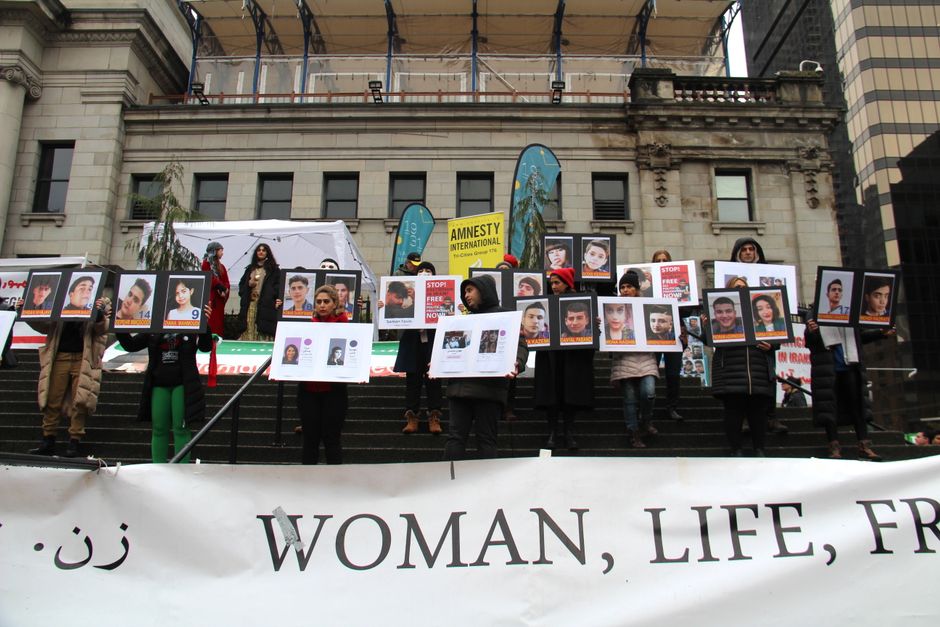
Amnesty International and the Canadian Council for Refugees have filed a new constitutional challenge in Federal Court regarding the Safe Third Country Agreement, a treaty between Canada and the United States. The legal action, filed in June 2026, contests the constitutionality of the agreement which mandates that refugees must claim asylum in the first country they arrive in. The groups argue that Canada's current implementation of the treaty ignores a pivotal 2023 Supreme Court of Canada decision. That 2023 ruling established that refugees can avoid being sent back to the U.S. if they face unnecessary detention or the risk of deportation to a country where their rights and lives would be threatened. The plaintiffs contend that sending at-risk individuals back to the U.S. under the current framework violates constitutional protections and endangers refugees.
Why It Matters
This legal challenge strikes at the core of Canada's asylum processing system and its relationship with U.S. border policy. If the Federal Court rules against the government, it could force a significant restructuring of how asylum claims are processed at the land border. The challenge highlights the tension between international treaty obligations and domestic constitutional rights regarding the treatment of refugees. It also underscores the ongoing humanitarian concerns regarding the conditions asylum seekers face when returned to the United States, including detention and deportation to dangerous countries.
Local Vancouver / Burnaby Context
While this is a federal legal matter, the implications for British Columbia are significant. BC has historically been a primary entry point for asylum seekers crossing the U.S.-Canada border, particularly in the Greater Vancouver area. The Safe Third Country Agreement directly impacts the flow of people seeking protection in Burnaby, Vancouver, and other BC communities. Local advocacy groups and legal aid organizations in BC are often on the front lines of supporting these individuals. The outcome of this Federal Court challenge could influence local service demands, housing needs for asylum seekers, and the broader political discourse on immigration and border security in the province. BC's housing targets and youth labour market challenges are also part of the broader socio-economic context in which these migration and asylum policies operate.
Market Impact
For the real estate market, a successful challenge could lead to an increase in the number of asylum seekers arriving in Canada, potentially increasing demand for rental housing in major urban centers like Vancouver and Burnaby. Conversely, if the agreement is upheld, the status quo of border restrictions remains, limiting this specific driver of rental demand. The legal uncertainty may also affect investor sentiment regarding government stability and policy direction. However, the immediate impact on property sales or construction starts is likely to be minimal compared to interest rate and mortgage policy factors.
Investor / Buyer Takeaway
- Monitor Federal Court rulings for any shifts in asylum processing that could affect rental demand in major Canadian cities.
- Understand that border policy changes can have secondary effects on housing markets, particularly in border provinces like BC.
- Focus on fundamental market drivers like interest rates and inventory levels rather than speculative political outcomes.
- Be aware that humanitarian crises can lead to sudden, localized spikes in rental demand, which may present opportunities for landlords.
- Stay informed about government responses to court challenges, as policy adjustments can alter the regulatory environment for housing.
Builder / Developer Perspective
For builders and developers, the primary impact is indirect. A change in asylum policy could affect the labor supply in the construction sector, particularly in sectors reliant on immigrant and refugee workers. However, the immediate feasibility of projects is more heavily influenced by zoning, financing, and construction costs. Developers should monitor the broader political landscape for any shifts in immigration policy that could affect long-term labor availability and housing demand patterns.
Risk Factors
- Policy shifts resulting from the court challenge could alter immigration and asylum processing, affecting housing demand.
- Legal uncertainty may delay government decisions on housing and infrastructure projects in affected regions.
- Potential changes in border enforcement could impact local economies in border communities.
- Humanitarian crises can strain local social services and housing resources, impacting community stability.
- Political polarization over immigration issues can lead to unpredictable regulatory changes for the real estate sector.
BurnabyHouse Insight
The constitutional challenge to the Safe Third Country Agreement represents a critical juncture for Canadian asylum policy. For Burnaby and Vancouver, this means the potential for increased pressure on the rental market and social services. While the immediate real estate impact is limited, the long-term implications for housing demand and urban planning are significant. Investors and policymakers must watch this legal battle closely, as it could reshape the demographic and economic landscape of British Columbia's major cities.
Community
Questions, Answers & Comments
Ask a question, add context, or leave a comment. Public posts appear after review.
No public questions or comments yet. Be the first to ask.