WHO and WMO report calls for heat protections for B.C. workers
Key Takeaways
- What happened
- A joint report released by the World Health Organization and the World Meteorological Organization is urging British Columbia to implement stronger heat protections for its workforce.
- Location
- Metro Vancouver
- Key points
-
- The push for enhanced heat protections directly impacts workplace safety standards and employer…
- Local impact
- WorkSafeBC has previously urged employers to take more proactive measures to protect workers from heat-related illnesses and risks associated with wildfire smoke. This local regulatory stance mirrors the international call for stronger protections, indicating a growing consensus on the need for adaptive safety protocols in the province. For Metro Vancouver buyers, sellers, developers and investors, watch financing cost, transaction pace, supply mix and policy expectations.
- Who should watch
- ['Monitor regulatory updates from WorkSafeBC and provincial bodies for new heat safety compliance requirements.', 'Assess operational risks for businesses with outdoor or non-climate-controlled work environments.', 'Consider the potential…



What Happened
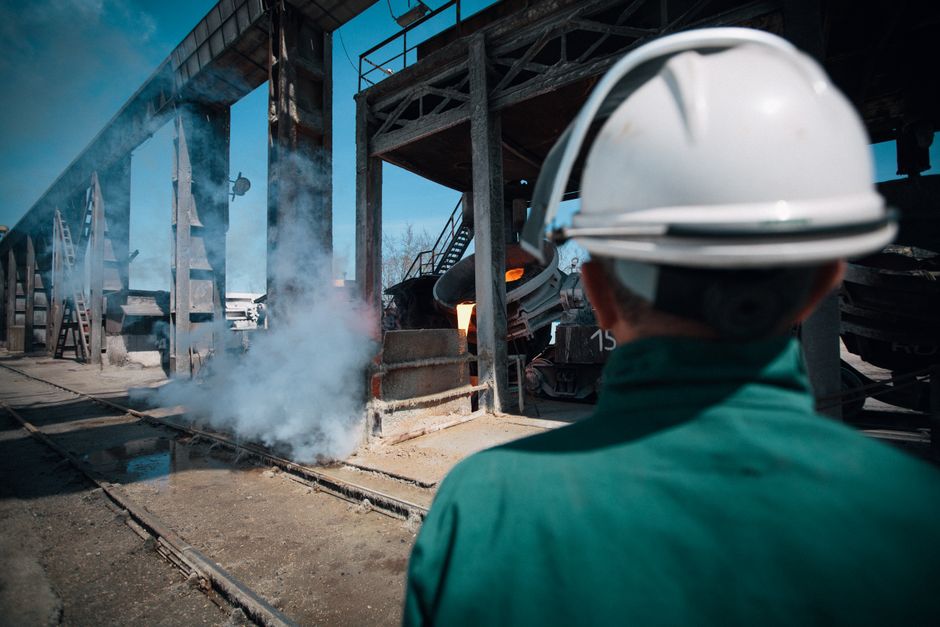
A joint report released by the World Health Organization and the World Meteorological Organization is urging British Columbia to implement stronger heat protections for its workforce. The international bodies highlight that the province's current heat exposure regulations have failed to keep pace with the increasing frequency of extreme heat events. This call for updated safety standards comes as local authorities and researchers continue to assess the long-term impacts of rising temperatures on public health and labor conditions. The report emphasizes the urgent need for systemic changes to protect workers from heat-related illnesses, particularly as climate patterns shift. These findings align with recent local assessments regarding the vulnerability of outdoor and indoor labor sectors to thermal stress.
Why It Matters
The push for enhanced heat protections directly impacts workplace safety standards and employer obligations across British Columbia. As extreme heat events become more frequent, the risk of heat-related illness and injury for workers increases, necessitating robust regulatory frameworks. The report's recommendations, which include policy updates, education, and cooling technologies, suggest a potential shift in how employers must manage thermal risks. This could lead to stricter compliance requirements for businesses, particularly those with outdoor operations or non-climate-controlled environments. The focus on vulnerable populations within the workforce also highlights a broader public health imperative tied to labor rights and occupational safety.
Local Vancouver / Burnaby Context
WorkSafeBC has previously urged employers to take more proactive measures to protect workers from heat-related illnesses and risks associated with wildfire smoke. This local regulatory stance mirrors the international call for stronger protections, indicating a growing consensus on the need for adaptive safety protocols in the province. The context is further informed by a June report released by the University of British Columbia, which examined the anniversary of the 2021 heat dome. That historical event served as a critical benchmark for understanding the severity of extreme heat impacts in British Columbia, prompting ongoing discussions about infrastructure resilience and worker safety. The convergence of international guidelines and local academic and regulatory reports underscores the urgency of addressing heat exposure in the B.C. labor market.
Market Impact
The potential implementation of stricter heat protection regulations may increase operational costs for employers, particularly in construction, agriculture, and logistics sectors. Businesses may need to invest in cooling technologies, adjust work schedules, or enhance training programs to comply with new standards. This could affect project timelines and labor availability during peak heat periods. However, improved safety measures may also reduce absenteeism and injury-related costs, potentially stabilizing workforce productivity in the long term. The market will likely see a gradual adaptation to these safety norms as they become codified in provincial policy.
Investor / Buyer Takeaway
Monitor regulatory updates from WorkSafeBC and provincial bodies for new heat safety compliance requirements. - Assess operational risks for businesses with outdoor or non-climate-controlled work environments. - Consider the potential for increased labor costs or schedule adjustments in heat-sensitive industries. - Watch for investment opportunities in cooling technologies and workplace safety solutions. - Evaluate the long-term impact of climate adaptation policies on property and business valuations.
Builder / Developer Perspective
Construction and development firms may face new compliance costs related to worker heat safety, including the need for cooling stations, adjusted work hours, and enhanced training. These requirements could impact project scheduling, particularly during summer months, and necessitate budget allocations for safety infrastructure. Developers should stay informed about evolving WorkSafeBC guidelines to ensure operational continuity and avoid penalties.
Risk Factors
Regulatory changes mandating stricter heat exposure limits for workers. - Increased operational costs for employers implementing cooling and safety measures. - Potential disruptions to project timelines due to heat-related work restrictions. - Liability risks for employers failing to comply with new heat safety standards. - Impact on labor availability and productivity during extreme heat events.
BurnabyHouse Insight
The intersection of international health guidelines and local regulatory pressure signals a definitive shift in British Columbia's approach to occupational safety in a warming climate. While the WHO and WMO report provides the global framework, the real-world application will depend on how WorkSafeBC translates these recommendations into enforceable provincial standards. For local stakeholders, this means preparing for a regulatory environment where heat is treated with the same seriousness as other occupational hazards. The UBC report on the 2021 heat dome serves as a critical reminder of the stakes involved, suggesting that proactive adaptation is no longer optional but a business imperative.
Community
Questions, Answers & Comments
Ask a question, add context, or leave a comment. Public posts appear after review.
No public questions or comments yet. Be the first to ask.