Grocery Price Comparison 2026: Walmart, Loblaws, Sobeys Costs for 10 Staples
Key Takeaways
- What happened
- A comparison of 10 everyday grocery staples reveals that prices at Walmart, Loblaws, and Sobeys have risen from 2025 to 2026, with Sobeys emerging as the most expensive overall for items like milk, pasta, and rice.
- Location
- Metro Vancouver
- Key points
-
- The projected 4 to 6 percent increase in food prices for 2026 places a substantial burden on…
- Canada Groceries and Essentials Benefit replaced quarterly GST/HST credit on July 3.
- Federal government provided one-time GST/HST credit top-up in June.
- Local impact
- In Burnaby and the Greater Vancouver area, where grocery costs are a significant component of household budgets, the price disparities between major retailers like Walmart, Loblaws, and Sobeys are particularly relevant. For Metro Vancouver buyers, sellers, developers and investors, watch financing cost, transaction pace, supply mix and policy expectations.
- Who should watch
- ['Monitor price fluctuations closely, as Sobeys was found to be the most expensive overall for key staples like milk, pasta, and rice in the 2026 comparison.', 'Consider shifting purchases to Walmart or Loblaws for items like eggs and…
Generating audio…


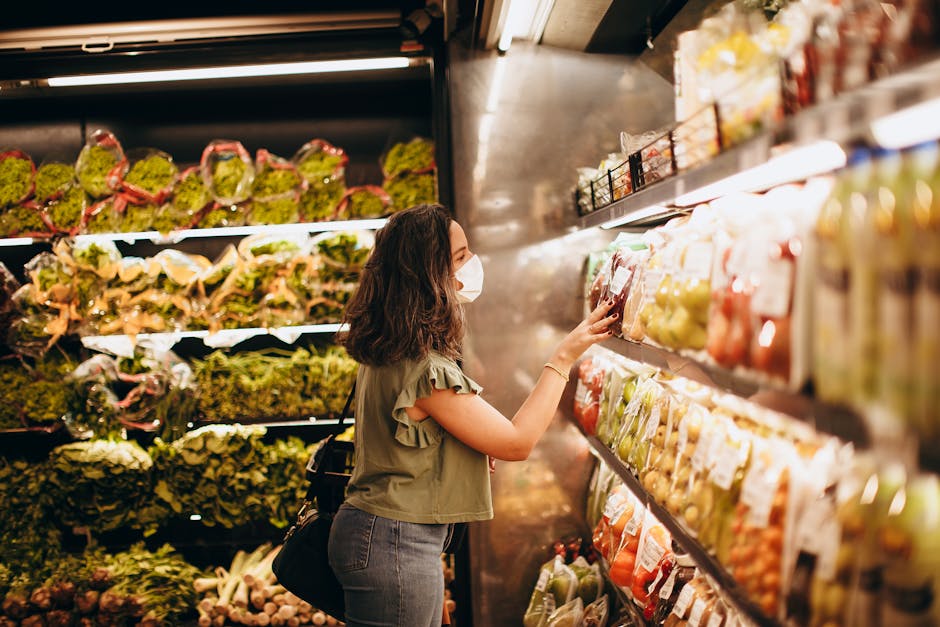
What Happened
A comparison of 10 everyday grocery staples reveals that prices at Walmart, Loblaws, and Sobeys have risen from 2025 to 2026, with Sobeys emerging as the most expensive overall for items like milk, pasta, and rice. Food prices are forecast to increase by 4 to 6 percent in 2026, meaning a family of four could see food costs rise by as much as $994.63. Total food costs for a family of four could reach $17,571.79, reflecting the ongoing challenge of filling grocery carts as prices continue to rise. While some items like eggs and Special K cereal remained flat in price at Walmart and Loblaws, others like pasta and rice saw significant jumps at Sobeys. This price analysis comes as the federal government replaced the quarterly GST/HST credit with the Canada Groceries and Essentials Benefit on July 3, following a one-time top-up in June. Rising costs of food are expected to continue, making price sensitivity a critical factor for shoppers across the country.
Why It Matters
The projected 4 to 6 percent increase in food prices for 2026 places a substantial burden on Canadian households, with a family of four potentially facing nearly $1,000 in additional annual costs. This financial pressure coincides with a major shift in federal support, as the Canada Groceries and Essentials Benefit replaced the quarterly GST/HST credit on July 3. Understanding which retailers offer the best value for specific staples is now more important than ever for budget-conscious consumers. The data highlights that price increases are not uniform across all products or stores, with some items like eggs remaining stable while others like rice and pasta saw notable hikes. This divergence means that strategic shopping can mitigate some of the impact of rising food inflation.
Local Vancouver / Burnaby Context
In Burnaby and the Greater Vancouver area, where grocery costs are a significant component of household budgets, the price disparities between major retailers like Walmart, Loblaws, and Sobeys are particularly relevant. Shoppers in Burnaby often navigate these price differences across neighborhoods, with some areas having better access to discount retailers while others rely more on traditional supermarkets. The ongoing rise in food prices affects local spending patterns, potentially shifting demand towards private-label brands or bulk purchasing options. While the federal benefit changes apply nationally, the local impact is felt in the daily cost of living for residents who rely on these specific grocery chains. The stability of prices for certain staples like eggs at some retailers offers a small reprieve, but the overall trend of rising costs continues to influence consumer behavior in the region.
Market Impact
The forecasted 4 to 6 percent rise in food prices will likely reduce disposable income for Canadian households, impacting spending in other sectors. For grocery retailers, the data suggests that price competitiveness is a key differentiator, with Walmart and Loblaws showing more stability on certain staples compared to Sobeys. This could lead to increased foot traffic and sales volume for retailers offering lower prices on high-demand items like pasta and rice. The shift from quarterly GST/HST credits to the new Canada Groceries and Essentials Benefit may also alter how consumers perceive the value of their grocery purchases, potentially increasing price sensitivity. Retailers that can maintain stable prices on core staples may gain a competitive advantage in retaining customer loyalty during this period of inflation.
Investor / Buyer Takeaway
- Monitor price fluctuations closely, as Sobeys was found to be the most expensive overall for key staples like milk, pasta, and rice in the 2026 comparison.
- Consider shifting purchases to Walmart or Loblaws for items like eggs and Special K cereal, where prices remained flat from 2025 to 2026.
- Be aware that total food costs for a family of four could reach $17,571.79 in 2026, requiring tighter budget management.
- Watch for the impact of the new Canada Groceries and Essentials Benefit, which replaced the quarterly GST/HST credit on July 3, on your overall household finances.
- Expect continued rising costs of food, so prioritize buying staples that have shown price stability or lower increases.
Builder / Developer Perspective
This article focuses on grocery retail pricing and consumer costs, which has limited direct impact on the residential construction or development sector. However, rising food costs can influence labor market dynamics and consumer confidence, which are indirect factors in the broader housing market. Developers and builders should monitor overall inflation trends, as they can affect construction material costs and buyer purchasing power. The stability of certain grocery prices may provide a small buffer for household budgets, but the overall forecast of 4 to 6 percent food price increases suggests continued economic pressure that could impact housing demand and affordability.
Risk Factors
- Continued rising costs of food could further erode household disposable income, impacting overall economic confidence.
- Price disparities between retailers may lead to consumer confusion or frustration if not clearly communicated.
- The transition from the quarterly GST/HST credit to the Canada Groceries and Essentials Benefit may create uncertainty for some households regarding their financial support.
- Inflation in food prices could spill over into other sectors, affecting broader consumer spending patterns.
- Retailers may face pressure to maintain competitive pricing, potentially impacting their profit margins.
BurnabyHouse Insight
The 2026 grocery price comparison underscores a critical shift in Canadian household economics, where the 4 to 6 percent forecasted increase in food costs is no longer an abstract metric but a tangible burden on every family budget. With total costs for a family of four potentially hitting $17,571.79, the strategic choice between Walmart, Loblaws, and Sobeys has moved from a matter of convenience to one of financial necessity. The data reveals that while some staples like eggs have seen price stability, others like pasta and rice have jumped significantly, particularly at Sobeys. This divergence highlights the importance of targeted shopping strategies in an inflationary environment. As the federal government adjusts support mechanisms with the new Canada Groceries and Essentials Benefit, consumers must remain vigilant about price fluctuations to protect their purchasing power.
Community
Questions, Answers & Comments
Ask a question, add context, or leave a comment. Public posts appear after review.
No public questions or comments yet. Be the first to ask.