Metro Vancouver outside workers going on full-scale strike starting Monday
Key Takeaways
- What happened
- The Greater Vancouver Regional District Employees’ Union launched full-scale job action on Monday, affecting five regional wastewater treatment plants and other facilities across Metro Vancouver.
- Location
- Metro Vancouver, at five wastewater treatment plants and other facilities
- Key points
-
- This job action directly impacts the region’s critical environmental infrastructure,…
- Metro Vancouver offered more than 10% general wage increase over three years
- Unionized workers in Metro Vancouver started job action after failing to get a deal and…
- Local impact
- Metro Vancouver is a unique regional government body responsible for services that cross municipal boundaries, including water, sewer, and parks. The Greater Vancouver Regional District Employees’ Union represents the workers who maintain this complex infrastructure. For Metro Vancouver buyers, sellers, developers and investors, watch financing cost, transaction pace, supply mix and policy expectations.
- Who should watch
- - No direct impact on housing prices or development costs from this strike. - Monitor regional service reliability as a long-term factor in community livability.
Generating audio…


What Happened
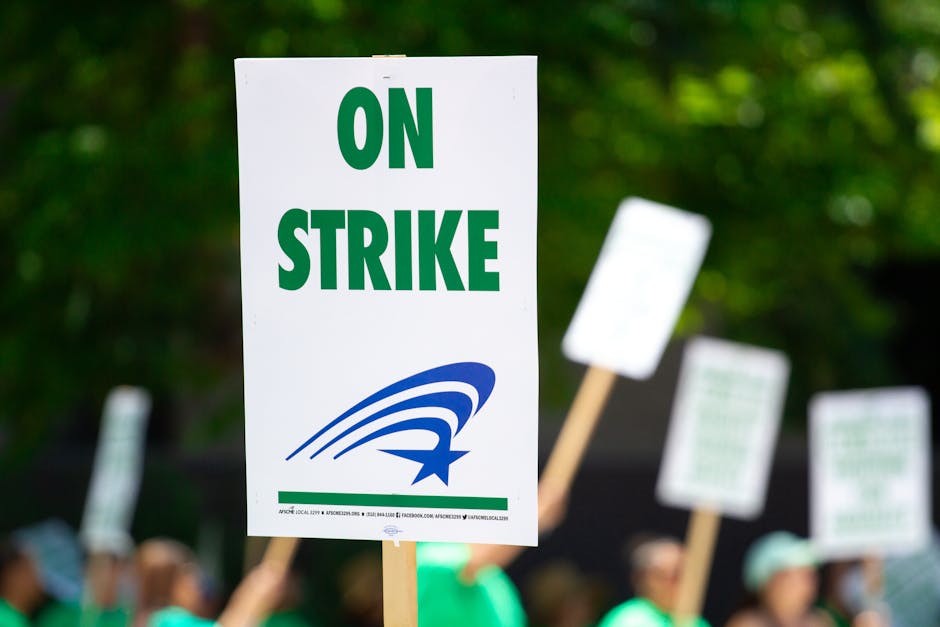
The Greater Vancouver Regional District Employees’ Union launched full-scale job action on Monday, affecting five regional wastewater treatment plants and other facilities across Metro Vancouver. The strike follows a failed bargaining process and a strike vote held in the spring, with the union issuing an official 72-hour notice on Thursday. Workers withdrew from all acting roles and banned overtime and standby work effective Sunday afternoon, targeting key infrastructure sites including the Iona Island, Lulu Island, and Annacis Island facilities. Union leader Jesse Medeiros cited management’s refusal to address non-wage issues like worker safety and recruitment as the primary driver for the walkout. Metro Vancouver management has offered a wage increase of more than 10 percent over three years but maintains that essential services will continue uninterrupted.
Why It Matters
This job action directly impacts the region’s critical environmental infrastructure, specifically the operation and maintenance of wastewater treatment plants that serve more than 20 municipalities. By withdrawing from acting roles and banning overtime, the union is forcing a reduction in operational capacity at major sites like the North Shore and Northwest Langley plants. The dispute highlights a broader tension between regional service delivery and labor conditions, as the union argues that management’s last offer was a precondition for talks rather than genuine negotiation. The immediate consequence is a strain on regional environmental services, with the potential for further escalation if a fair agreement is not reached.
Local Vancouver / Burnaby Context
Metro Vancouver is a unique regional government body responsible for services that cross municipal boundaries, including water, sewer, and parks. The Greater Vancouver Regional District Employees’ Union represents the workers who maintain this complex infrastructure. The strike affects facilities in Burnaby, Vancouver, and surrounding districts, such as the Annacis Island maintenance yard and safety training centre. While the strike is regional, the impact is felt locally in communities that rely on these wastewater treatment plants for environmental health. The union’s actions are part of a broader pattern of labor disputes in the region, reflecting ongoing challenges in retaining staff and ensuring safety in critical service roles.
Market Impact
The strike does not directly impact the real estate market, housing prices, or development timelines in the short term. However, disruptions to wastewater treatment could affect local environmental quality and public confidence in regional infrastructure. For homeowners and renters, there is no immediate financial impact, but long-term service reliability remains a key factor in regional livability. The strike serves as a reminder of the fragility of critical infrastructure and the potential for labor disputes to affect daily life in the region.
Investor / Buyer Takeaway
- No direct impact on housing prices or development costs from this strike.
- Monitor regional service reliability as a long-term factor in community livability.
- No immediate need to adjust investment strategies based on this labor dispute.
- Focus on core market indicators like interest rates and inventory levels instead.
- Be aware that critical infrastructure disruptions can affect public sentiment over time.
Builder / Developer Perspective
Builders and developers are not directly affected by this strike, as it targets environmental services rather than construction or development processes. However, any long-term disruption to regional infrastructure could indirectly impact project timelines or costs if environmental regulations or service reliability become a concern. For now, the focus remains on the labor dispute itself, with no immediate implications for the development sector.
Risk Factors
- Potential for further escalation of job action if negotiations stall.
- Impact on regional environmental services and public health.
- Possible strain on municipal budgets if service disruptions require costly workarounds.
- Long-term reputational risk for Metro Vancouver if the dispute is perceived as mismanagement.
- Uncertainty regarding the timeline for a resolution and return to normal operations.
BurnabyHouse Insight
This strike underscores the critical role of regional infrastructure in supporting Metro Vancouver’s growth. While the immediate impact on the real estate market is minimal, the underlying issues of worker safety, recruitment, and retention are vital for the long-term sustainability of the region’s services. For local readers, the key takeaway is the importance of stable infrastructure in maintaining community livability and confidence in regional governance. The dispute serves as a reminder that behind every service is a workforce that requires fair treatment and support to ensure reliable delivery.
Community
Questions, Answers & Comments
Ask a question, add context, or leave a comment. Public posts appear after review.
No public questions or comments yet. Be the first to ask.