Mount Polley mine owners fail to quash 13 charges over catastrophic 2014 spill
Key Takeaways
- What happened
- The B.C.. Supreme Court has rejected a motion by the owners of the Mount Polley mine to quash 13 of the 15 charges laid against them under the federal Fisheries Act.
- Location
- Mount Polley mine
- Key points
-
- This court decision underscores the persistent legal and regulatory risks associated with major…
- 2014: Catastrophic dam collapse at Mount Polley mine spilled millions of litres of waste and…
- B.C. Supreme Court rejected mining firms' bid to limit a 15-count indictment to two charges.
- Local impact
- The Mount Polley mine is located in the B.C. Interior, an area with a long history of mining activity and complex relationships with Indigenous communities. The Xatsull First Nation, a local Indigenous group, has been directly affected by the mine's operations and the 2014 spill. For Metro Vancouver buyers, sellers, developers and investors, watch financing cost, transaction pace, supply mix and policy expectations.
- Who should watch
- - Monitor the legal proceedings against the mine owners for any updates that could affect production or financial stability.
Generating audio…


What Happened
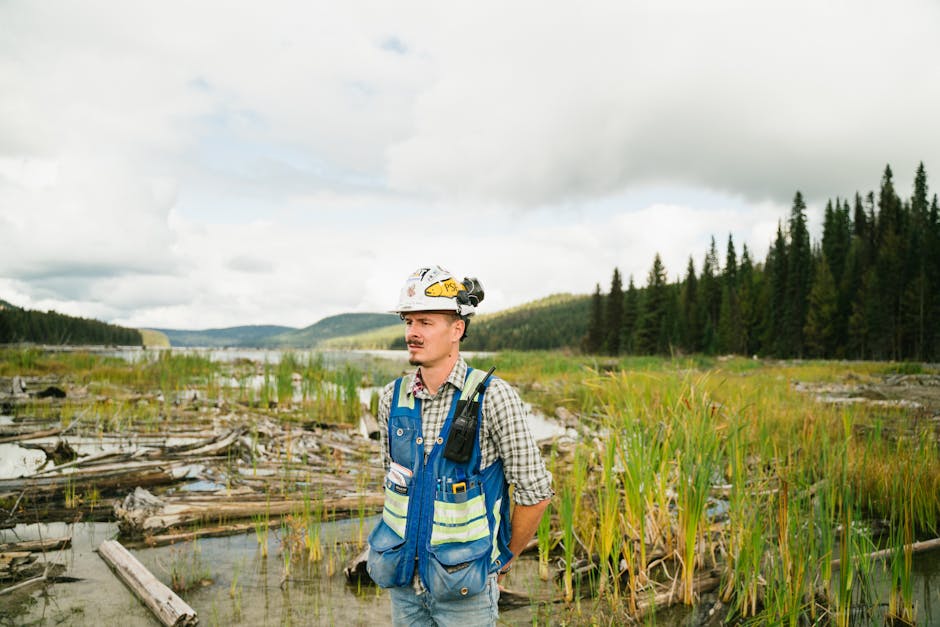
The B.C. Supreme Court has rejected a motion by the owners of the Mount Polley mine to quash 13 of the 15 charges laid against them under the federal Fisheries Act. The charges stem from the catastrophic collapse of the mine's tailings dam in 2014, which released millions of litres of waste and water into the B.C. Interior. In a significant legal setback, the judge dismissed the firms' attempt to limit the indictment to just two counts, comparing the environmental damage to a "bomb thrown into a crowd." The ruling allows the mine owners to proceed with plans to raise the height of their tailings dam, a decision that has drawn sharp criticism from local Indigenous groups. B.C.'s Xatsull First Nation expressed disappointment in the court's decision, citing ongoing concerns about the mine's operations and environmental impact. The legal proceedings mark a continued challenge for the mining company more than a decade after the disaster.
Why It Matters
This court decision underscores the persistent legal and regulatory risks associated with major industrial projects in British Columbia, particularly those with a history of environmental failure. By allowing the majority of the Fisheries Act charges to stand, the court has signaled that the severity of the 2014 spill will remain a central factor in any future legal or operational assessments. For the mining industry, this highlights the difficulty of mitigating liability for historical environmental damage while attempting to expand operations. The ruling also reinforces the role of the judiciary in enforcing federal environmental laws against corporate interests, setting a precedent for how such cases are handled in the province.
Local Vancouver / Burnaby Context
The Mount Polley mine is located in the B.C. Interior, an area with a long history of mining activity and complex relationships with Indigenous communities. The Xatsull First Nation, a local Indigenous group, has been directly affected by the mine's operations and the 2014 spill. Their disappointment in the court's decision reflects broader concerns among Indigenous communities in the region regarding environmental protection and the safety of waterways. In British Columbia, the balance between resource development and environmental stewardship is a contentious issue, with Indigenous rights and title playing a crucial role in land use decisions. The case also highlights the ongoing tension between industrial expansion and the preservation of natural resources in the province.
Market Impact
For the mining sector, this ruling increases the legal and financial uncertainty surrounding the Mount Polley project. The continued existence of 13 charges means that the mine owners face potential penalties and operational restrictions that could affect production timelines and costs. While the immediate impact on the broader real estate market in Burnaby or Vancouver is limited, the case serves as a reminder of the risks associated with investing in companies with significant environmental liabilities. Investors in the mining sector may need to closely monitor the legal outcomes and their potential impact on company valuations and operational feasibility.
Investor / Buyer Takeaway
- Monitor the legal proceedings against the mine owners for any updates that could affect production or financial stability.
- Consider the environmental and regulatory risks associated with investments in the mining sector, particularly in British Columbia.
- Be aware of the potential for increased operational costs or delays due to ongoing legal challenges.
- Stay informed about the perspectives of local Indigenous communities, as their input can influence regulatory decisions and project outcomes.
- Diversify investments to mitigate risks associated with specific legal or environmental issues in the resource sector.
Builder / Developer Perspective
For builders and developers, this case highlights the importance of environmental due diligence and regulatory compliance in project planning. The legal challenges faced by the mine owners serve as a cautionary tale for the construction and development industries, emphasizing the need to address environmental impacts proactively. Developers working in areas with sensitive ecosystems or Indigenous land claims should prioritize engagement with local communities and adherence to environmental regulations to avoid similar legal and reputational risks. The case also underscores the potential for long-term legal liabilities to impact project feasibility and financing.
Risk Factors
- Legal risks: Continued litigation could result in significant fines or operational restrictions for the mine owners.
- Regulatory risks: Increased scrutiny from environmental agencies could lead to stricter permitting requirements for future projects.
- Reputational risks: The ongoing legal challenges may damage the company's public image and affect stakeholder relationships.
- Financial risks: Legal costs and potential penalties could impact the company's financial performance and investment attractiveness.
- Community relations risks: Ongoing tension with Indigenous communities could hinder future development or expansion efforts.
BurnabyHouse Insight
The Mount Polley case is a stark reminder of the enduring consequences of environmental disasters in British Columbia. For local readers, it highlights the complex interplay between industrial development, Indigenous rights, and environmental protection. The court's decision to maintain the majority of charges against the mine owners reflects a growing emphasis on accountability and environmental stewardship in the province. As British Columbia continues to navigate the balance between resource extraction and sustainability, this case serves as a critical reference point for understanding the legal and social dynamics shaping the region's future.
Community
Questions, Answers & Comments
Ask a question, add context, or leave a comment. Public posts appear after review.
No public questions or comments yet. Be the first to ask.