Oil retreats below $80 as tech stocks rally on earnings
Key Takeaways
- What happened
- Crude oil prices have fallen back toward $80 a barrel, dropping from peaks above $100 during this year's U.S.-Iran conflict.. This decline follows diplomatic progress as the two sides moved closer to reopening the Strait of Hormuz, allowing shipments to flow again.
- Location
- Global markets / U.S. / Middle East (indirect for Metro Vancouver)
- Key points
-
- The retreat of oil prices below $80 a barrel is significant because it alleviates pressure on…
- The S&P 500 slipped 0.6%.
- The Dow gained 0.6%.
- Local impact
- Oil and energy cost shifts feed into inflation and rate expectations first, then into Canadian mortgage rates, development financing and Metro Vancouver housing carrying costs and supply-demand expectations.
- Who should watch
- - Monitor the Federal Reserve meeting this week for signals on interest rate policy, which will influence global capital flows.
Generating audio…


What Happened
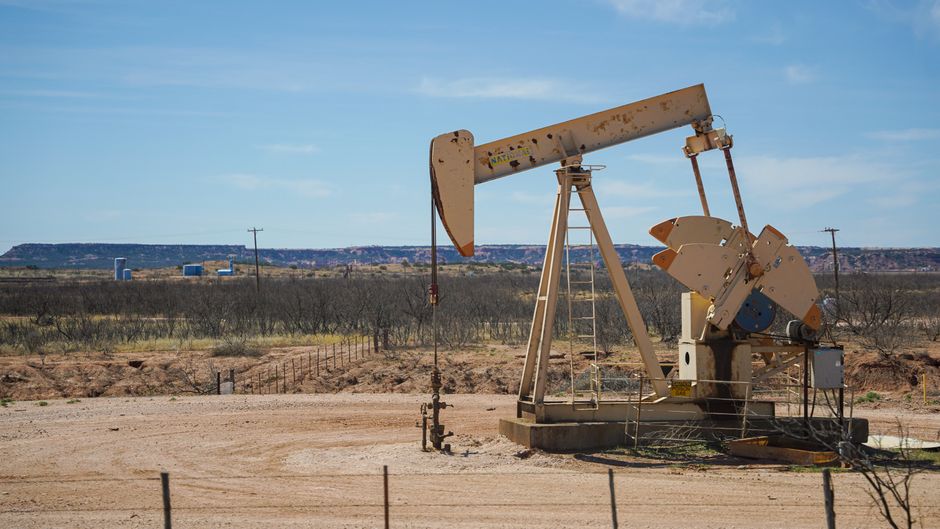
Crude oil prices have fallen back toward $80 a barrel, dropping from peaks above $100 during this year's U.S.-Iran conflict. This decline follows diplomatic progress as the two sides moved closer to reopening the Strait of Hormuz, allowing shipments to flow again. The drop in energy costs is cooling inflation fears that had previously pushed U.S. inflation above 4%. As a result, traders are reducing their pricing for potential Federal Reserve interest rate hikes later this year. This cooling of rate fears has fueled a sharp rally in technology stocks, with the Nasdaq Composite jumping and the Dow gaining 0.6%. Meanwhile, the S&P 500 slipped 0.6% as it drifted near its all-time highs in mixed trading.
Why It Matters
The retreat of oil prices below $80 a barrel is significant because it alleviates pressure on U.S. inflation, which had surged above 4% due to energy costs. Lower energy prices help reduce the urgency for aggressive monetary tightening, allowing the market to price in a more dovish Federal Reserve stance. This shift in macroeconomic expectations directly benefits growth-oriented sectors, particularly technology, by lowering discount rates and improving profit margins for hardware and software companies. The stabilization of the Strait of Hormuz also reduces the risk premium embedded in global commodity markets, providing a clearer path for economic forecasting.
Local Vancouver / Burnaby Context
While this report focuses on U.S. markets and global oil dynamics, the implications for Greater Vancouver are indirect but notable. Lower global oil prices can ease transportation and construction costs, which are critical inputs for housing development in Burnaby and Vancouver. However, the primary driver for local real estate remains domestic interest rates and mortgage availability. The Federal Reserve's upcoming meeting adds uncertainty to the global rate environment, which can influence Bank of Canada policy decisions. If U.S. inflation cools sufficiently, it may allow for earlier rate cuts globally, potentially stabilizing mortgage rates for Canadian borrowers. Local market sentiment often correlates with U.S. tech performance, as foreign investment flows can impact Vancouver's luxury condo segment.
Market Impact
The rally in tech stocks suggests continued investor confidence in artificial intelligence and cloud infrastructure, benefiting companies like Snowflake, Salesforce, and Oracle. Snowflake reported a 34% year-over-year rise in product revenue to $1.33 billion, while Salesforce saw revenue grow 13% to $11.1 billion. Oracle's cloud infrastructure revenue jumped 93%, with a backlog of $638 billion. For the broader market, the decline in oil prices reduces input costs for logistics and manufacturing, potentially improving margins for consumer-facing businesses. The mixed finish in the S&P 500 indicates that while tech leads, broader market participation remains cautious.
Investor / Buyer Takeaway
- Monitor the Federal Reserve meeting this week for signals on interest rate policy, which will influence global capital flows.
- Tech stocks are showing strong earnings momentum, with Snowflake and Salesforce leading the charge in cloud and AI sectors.
- Oil prices below $80 reduce inflation risks, but any disruption in the Strait of Hormuz could cause rapid price spikes.
- Investors should watch for core inflation data to determine if the current cooling trend is sustainable.
- Diversification remains key as mixed market signals suggest sector-specific strength rather than broad-based rallies.
Builder / Developer Perspective
For builders and developers, lower oil prices can reduce fuel and transportation costs, which are significant components of construction budgets. However, the primary financial constraint remains interest rates and financing costs. The potential for earlier rate cuts, driven by cooling inflation, could improve project feasibility and pre-sale confidence. Companies like Oracle are guiding for $70 billion in capital expenditures for fiscal 2027, indicating strong demand for infrastructure, which may indirectly support commercial real estate development. The focus for developers should remain on local zoning, permitting timelines, and mortgage rate stability rather than global oil fluctuations.
Risk Factors
- Resumption of disruptions in the Strait of Hormuz could cause oil prices to spike again.
- Persistent core inflation could reignite fears of Federal Reserve rate hikes.
- Mixed market performance indicates potential volatility in tech stock valuations.
- Geopolitical tensions between the U.S. and Iran remain a key uncertainty.
- Global economic slowdown could reduce demand for cloud infrastructure and tech services.
BurnabyHouse Insight
The current market dynamic reflects a delicate balance between geopolitical stability and monetary policy expectations. While the drop in oil prices provides temporary relief from inflationary pressures, the underlying strength of tech stocks highlights a market focused on growth and innovation. For local readers, the key takeaway is the interconnectedness of global energy markets and domestic financial conditions. A sustained period of lower oil prices could support a more accommodative monetary environment, which is beneficial for real estate financing. However, investors should remain vigilant for signs of renewed geopolitical tension or inflationary spikes that could reverse these positive trends.
Community
Questions, Answers & Comments
Ask a question, add context, or leave a comment. Public posts appear after review.
No public questions or comments yet. Be the first to ask.