Pay parking for Langley City up to a ‘future council’
Start with reported facts, then read the Burnaby, Vancouver and BC real estate implications. BurnabyHouse separates facts, local context, buyer/investor takeaways and risk factors so commentary does not become reported fact.
What Happened
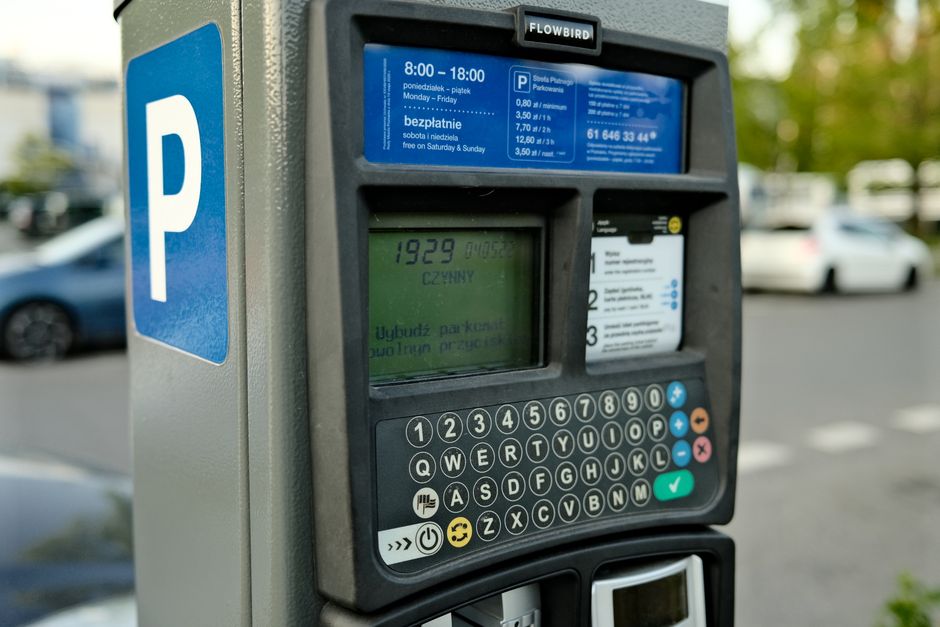
A recommendation involving pay parking in Langley City is moving into further consultation. The reported action is procedural: more consultation is being sought before the pay-parking question is advanced. The issue applies to Langley City and is framed as a local civic decision rather than a regional measure.
The timing identified for the decision is future-facing. The matter is being positioned as something for a future council to address. That means the current stage is not a final rollout of a pay-parking program, but a continuation of the review and consultation process around the recommendation.
The practical policy question is whether Langley City should proceed with some form of paid parking. The recommendation remains under discussion because the next step identified is additional consultation. For residents, businesses, property owners, and visitors, the immediate change is that the pay-parking debate stays active rather than being closed.
The known geography is Langley City. The known policy area is pay parking. The known next step is more consultation on the recommendation. The known decision path points to a future council having to decide whether and how the city proceeds.
Why It Matters
Parking policy often looks small until it starts changing how people use a neighbourhood. For a city, paid parking is not only about collecting fees; it is a tool for managing limited curb space, encouraging turnover, discouraging long stays in high-demand areas, and shaping how visitors, workers, tenants, and shoppers move through local streets. Because Langley City is still at the consultation stage, the important signal is not an immediate cost change, but that civic leaders are keeping the option open.
For real-estate readers, the core issue is predictability. Owners and investors want to know whether parking will remain a free amenity, become a managed public resource, or evolve into a mixed system with different rules in different areas. Buyers and renters also price convenience into housing decisions, especially when a home relies on street parking, visitor parking, nearby commercial access, or transit-adjacent mobility. A future council decision could influence how people evaluate location quality, daily carrying costs, and neighbourhood accessibility.
The consultation step matters because parking rules can produce uneven impacts. A paid-parking model can help manage congestion in busy areas, but it can also raise concerns for small businesses, households with multiple vehicles, visitors, service workers, and residents who already face tight parking conditions. The policy design—where it applies, when it applies, who is exempt, and how enforcement works—will matter more than the headline idea of paid parking itself.
Local Vancouver / Burnaby Context
For BurnabyHouse readers, Langley City’s pay-parking discussion fits into a wider 低陆平原 pattern: municipalities are trying to manage land, mobility, and public space more deliberately as communities densify. Burnaby, Vancouver, and nearby cities all face the same broad tension. More homes, more commercial activity, and more transit-oriented growth can increase demand for scarce curb space, while residents still expect convenient access for daily life.
The local real-estate angle is that parking is both a municipal operations issue and a property-value issue. In denser parts of Greater Vancouver, parking availability can influence buyer preferences, rental appeal, strata expectations, and the perceived convenience of a property. Even when a parking-policy change starts as a civic-management tool, it can affect how households compare one neighbourhood with another.
BurnabyHouse local context also suggests that parking debates rarely stay confined to transportation. They connect to housing supply, small-business access, street design, visitor behaviour, and development feasibility. If Langley City eventually moves from consultation to implementation, the market will care less about the word “paid” and more about the actual design: affected areas, operating hours, payment rules, enforcement approach, and whether residents or businesses receive special treatment.
For now, the confirmed point is narrower but still useful: Langley City has not treated the pay-parking recommendation as finished business. It is seeking more consultation, and a future council is expected to be the decision point. That keeps the issue in the policy pipeline and gives local property stakeholders time to watch how the city defines the problem it is trying to solve.
Market Impact
The near-term market impact is likely to be more about sentiment and watch-list behaviour than immediate pricing. Because the matter is still in consultation, buyers, sellers, landlords, and tenants are not dealing with a confirmed fee structure. However, the existence of an active pay-parking discussion can make parking access a more visible due-diligence item for anyone evaluating a Langley City property.
For owners of homes or commercial properties that rely on convenient public parking, the eventual policy design could influence perceived convenience. For renters and buyers, the question becomes whether a property’s parking situation is secure, strata-controlled, on-site, street-dependent, or visitor-dependent. For investors, the issue is operational: paid public parking can change tenant expectations, customer access, and the attractiveness of units where private parking is limited.
The impact on redevelopment feasibility is indirect at this stage. Builders and landowners will mainly watch whether the city uses parking management to support denser activity, reduce conflicts over curb space, or add another cost layer to daily users. Until the future council decision is clearer, the market response should be cautious rather than dramatic.
Investor / Buyer Takeaway
- Buyers should treat parking access as a due-diligence item in Langley City, especially where a property depends on street or visitor parking rather than secured on-site stalls.
- Sellers should be prepared for more buyer questions about practical parking convenience, even before any future council decision is made.
- Investors should watch the consultation process because the eventual structure of any paid-parking approach could affect tenant demand, customer access, and operating assumptions.
- Households with multiple vehicles may face more exposure if future rules target areas where curb space is already in demand.
- The key item to monitor is not just whether pay parking proceeds, but where it would apply and how a future council designs exemptions, hours, enforcement, and user categories.
Builder / Developer Perspective
For builders and developers, the immediate effect is limited because the confirmed action is consultation on a recommendation, not an implemented parking regime. Still, the topic matters because parking rules influence how projects are received by neighbours, tenants, buyers, and municipal reviewers. If a future council moves toward paid parking, developers will want to understand whether the city is using parking management to support denser land use, reduce spillover concerns, or address access pressures around busy areas.
The feasibility question is practical. Projects with strong on-site parking may be less exposed to public-curb changes, while projects that rely on walkability, transit access, visitor turnover, or nearby public parking may need to factor policy uncertainty into marketing and leasing assumptions. Developers should also watch whether consultation produces a narrow parking-management tool or a broader shift in how Langley City treats curb space as part of growth planning.
Risk Factors
- Policy risk: a future council could still reshape, delay, narrow, or advance the pay-parking recommendation after consultation.
- Cost risk: if paid parking is eventually adopted, some users could face new daily or occasional costs depending on the final design.
- Access risk: businesses, residents, visitors, and service providers may experience different outcomes if rules vary by area, time, or user category.
- Market-perception risk: even before implementation, uncertainty around parking can affect how buyers and tenants assess convenience.
- Enforcement risk: any future system would depend on clear rules, public understanding, and consistent administration.
BurnabyHouse Insight
Langley City’s pay-parking file is worth watching because it is a small policy question with large real-estate edges. Parking sits at the intersection of convenience, cost, density, and neighbourhood politics. The confirmed move toward more consultation means no one should overprice the impact today, but owners, buyers, and builders should not ignore it either. In a region where housing growth and curb-space pressure increasingly collide, the future council decision will signal whether Langley City wants parking to remain a passive public amenity or become a more actively managed civic asset.
Community
Questions, Answers & Comments
Ask a question, add context, or leave a comment. Public posts appear after review.
No public questions or comments yet. Be the first to ask.
Gary Gao | Principal Real Estate Advisor · Licensed Home Builder · Former Municipal Insider
Decoding Greater Vancouver Real Estate: Leveraging Zoning, Driven by Data
Q: “Why should Greater Vancouver buyers trust a multi-discipline advisor?”
A: “Having lived in Canada for 26 years, I am not just a witness to Metro Vancouver's urban evolution, but a decoder of its underlying wealth logic .”