3 Residents Remain in Vancouver's Luugat SRO Past June 30 Move-Out Deadline
Key Takeaways
- What happened
- The B.C.. government confirmed on Wednesday that three residents are still living in the Luugat single-room occupancy (SRO) building on Granville Street in Vancouver, despite a June 30 deadline for all tenants to move out.
- Location
- Granville Street in Vancouver.
- Key points
-
- The delay in vacating the Luugat SRO highlights the complexities of transitioning vulnerable…
- B.C. Minister announced the closure is part of an agreement requested by Vancouver.
- One resident is still living at the Luugat on Granville Street.
- Local impact
- The Luugat SRO is located in the heart of Vancouver's Downtown Eastside, a neighborhood that has seen significant debate over development, tourism, and social services. The Granville Entertainment District is a key focus for the city, aiming to balance the needs of residents, businesses, and visitors. For Metro Vancouver buyers, sellers, developers and investors, watch financing cost, transaction pace, supply mix and policy expectations.
- Who should watch
- ['Monitor the Granville Street pedestrian zone extension for signs of accelerated commercial development or retail shifts.', 'Be aware that SRO closures in Vancouver often face delays due to the complexity of tenant relocation and housing…



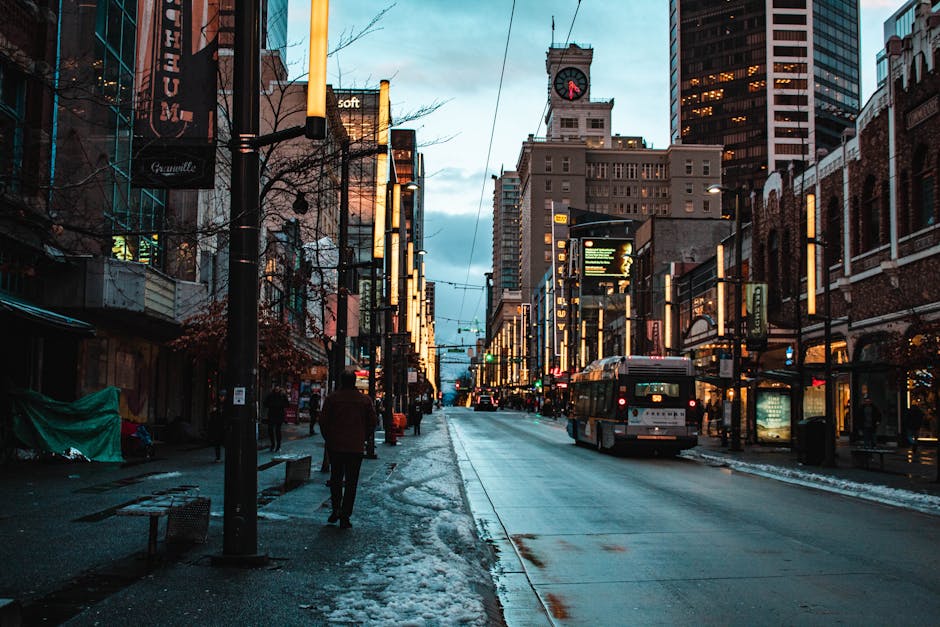
What Happened
The B.C. government confirmed on Wednesday that three residents are still living in the Luugat single-room occupancy (SRO) building on Granville Street in Vancouver, despite a June 30 deadline for all tenants to move out. The closure of the building is part of a broader agreement requested by the City of Vancouver regarding the future of the Granville Entertainment District. While the provincial government had stated that all tenants would be relocated by the end of June, the presence of these remaining occupants indicates the timeline has been extended or delayed. The B.C. Minister confirmed the situation, noting that no one would be evicted if they did not wish to leave, highlighting the voluntary nature of the relocation process. This development comes as Vancouver council recently approved $4.75 million to extend the Granville Street pedestrian zone through Labour Day, signaling ongoing changes to the area's layout and usage. The situation has drawn attention from local media, including Vancouver Sun editor-in-chief Harold Munro and columnist Dan Fumano, who have discussed the implications of the SRO closure and the city's larger urban planning goals.
Why It Matters
The delay in vacating the Luugat SRO highlights the complexities of transitioning vulnerable populations during major urban redevelopment projects. SROs provide critical, low-cost housing for individuals who are often at the margins of the housing market, and their closure without immediate, guaranteed placement can lead to housing instability. The fact that the move-out was tied to a city-requested agreement for the Granville Entertainment District underscores how housing policy is often intertwined with economic and tourism strategies. For residents, the lack of a firm eviction process suggests a reliance on social services and housing support to find alternative accommodations, which can be slow and uncertain. For the city, missing the deadline may impact the timeline for the Granville Street pedestrian zone and other related infrastructure projects, potentially causing delays in the intended revitalization of the area.
Local Vancouver / Burnaby Context
The Luugat SRO is located in the heart of Vancouver's Downtown Eastside, a neighborhood that has seen significant debate over development, tourism, and social services. The Granville Entertainment District is a key focus for the city, aiming to balance the needs of residents, businesses, and visitors. The recent extension of the pedestrian zone to Labour Day is part of a broader effort to manage traffic and enhance the public realm, but it also raises questions about the displacement of long-term residents. Vancouver has a history of SRO closures and relocations, often accompanied by concerns about the adequacy of replacement housing. The city's approach to the Granville Street project has been closely watched by housing advocates who emphasize the need for a just transition for SRO tenants. The involvement of the B.C. Minister and BC Housing indicates that this is a provincial priority, but the local implementation remains a challenge. The situation reflects the ongoing tension between urban renewal and the preservation of affordable housing options in Vancouver.
Market Impact
The delay in closing the Luugat SRO has limited direct impact on the broader real estate market, as SROs are a niche segment of the housing supply. However, it may affect perceptions of the city's ability to manage complex redevelopment projects and support vulnerable populations. For the Granville Street area, the continued presence of residents may influence the pace of new development and the success of the pedestrian zone initiative. Investors and developers monitoring the Downtown Eastside may view the situation as a reminder of the social complexities involved in urban renewal. The lack of immediate eviction suggests that the city and province are prioritizing a managed transition over a rapid clearance, which could have implications for the timeline of related infrastructure and commercial projects.
Investor / Buyer Takeaway
Monitor the Granville Street pedestrian zone extension for signs of accelerated commercial development or retail shifts. - Be aware that SRO closures in Vancouver often face delays due to the complexity of tenant relocation and housing support. - Consider the social and political sensitivity of the Downtown Eastside when evaluating properties in the immediate vicinity. - Watch for updates on the B.C. government's housing strategy for SRO tenants, which may influence local housing demand. - Understand that urban renewal projects in Vancouver are often phased and subject to community feedback and policy adjustments.
Builder / Developer Perspective
Developers interested in the Granville Entertainment District may face extended timelines due to the ongoing occupancy of the Luugat SRO. The need to coordinate with provincial and municipal authorities on tenant relocation adds a layer of complexity to project planning. The situation highlights the importance of early engagement with social services and housing providers to mitigate delays. Builders may also need to consider the potential for community opposition or political scrutiny when undertaking projects in areas with significant social housing stock.
Risk Factors
Potential delays in the Granville Street pedestrian zone and related infrastructure projects due to the unresolved SRO occupancy. - Political and public scrutiny over the handling of SRO tenant relocation and the adequacy of support services. - Uncertainty regarding the timeline for the full closure of the Luugat and the subsequent redevelopment of the site. - Possible strain on local housing resources if displaced SRO tenants require immediate placement in other affordable units. - Reputational risks for the city and province if the transition is perceived as mishandled or insufficiently supported.
BurnabyHouse Insight
The Luugat SRO situation is a microcosm of Vancouver's broader housing and urban planning challenges. While the city pushes for economic revitalization through initiatives like the Granville Entertainment District, the human cost of these changes cannot be ignored. The delay in moving out is not just a logistical issue but a reflection of the systemic gaps in affordable housing and social support. For local readers, it serves as a reminder that urban renewal is a slow, often contentious process that requires careful management to ensure no one is left behind. The city's ability to handle this transition will be a key indicator of its commitment to balanced development.
Community
Questions, Answers & Comments
Ask a question, add context, or leave a comment. Public posts appear after review.
No public questions or comments yet. Be the first to ask.