Seaspan marks construction milestone on icebreaker
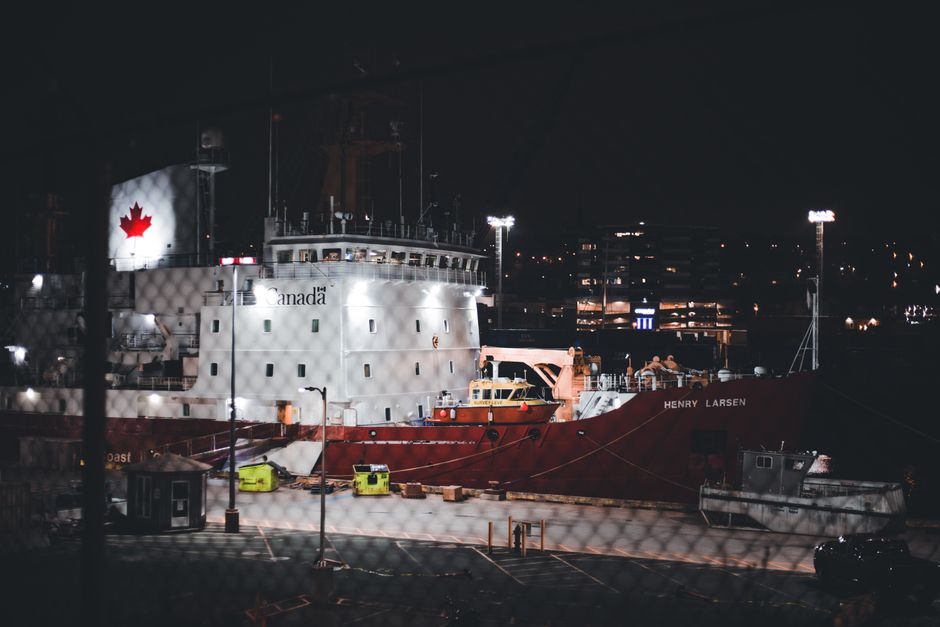
Start with reported facts, then read the Burnaby, Vancouver and BC real estate implications. BurnabyHouse separates facts, local context, buyer/investor takeaways and risk factors so commentary does not become reported fact.
What Happened
The Government of Canada awarded a $3.15-billion contract to Seaspan's Vancouver Shipyards for the construction of one heavy polar icebreaker under the National Shipbuilding Strategy. This milestone was announced on March 7, 2025, by The Honourable Jonathan Wilkinson, Minister of Energy and Natural Resources, on behalf of The Honourable Jean-Yves Duclos, Minister of Public Services and Procurement. The contract marks the formal start of construction for one of the most advanced conventional polar icebreakers ever built in Canada. Seaspan Shipyards has already completed the first major construction block, a 330-tonne grand block comprising the centreline propulsion motor room, fuel tanks, and void spaces. The first cut of steel for this vessel occurred approximately one year before May 26, 2026, signaling rapid progress on the project. The Canadian Coast Guard is acquiring two polar icebreakers in total, with the second being built by Chantier Davie Canada Inc. These new vessels are designed to operate at higher latitudes for longer periods, supporting Indigenous Peoples, Arctic security, science, and maritime emergencies. The Honourable Diane Lebouthillier, Minister of Fisheries, Oceans and the Canadian Coast Guard, emphasized the vessel's role in year-round Arctic operations. The Honourable François-Philippe Champagne, Minister of Innovation, Science and Industry, highlighted the government's commitment to sovereignty and shipbuilding revitalization. John McCarthy, CEO of Seaspan, described the contract signing as a critical step toward building ships for Canada by Canadians. The project is subject to Canada's Industrial and Regional Benefits Policy, requiring reinvestment and business activities in Canada. Approximately $10.25 billion in contracts have been awarded to Pacific region companies under NSS, representing 37% of total NSS contracts. The National Shipbuilding Strategy marks its 15th anniversary in 2025, having created or maintained over 20,400 good middle-class jobs per year. Since 2010, Canadian shipyards have delivered 8 large vessels and 34 small vessels to the Royal Canadian Navy and the Canadian Coast Guard. The ICE Pact Memorandum of Understanding was signed in November 2024 with the United States and Finland to deepen cooperation and accelerate production of Arctic and polar vessels. The Canadian Coast Guard currently has 18 icebreakers, the second-largest icebreaking fleet worldwide. The Arctic is home to 150,000 Canadians and generations of Indigenous Peoples. The NSS Value Proposition requires Vancouver Shipyards to reinvest 0.5% of polar contracts in human resources, technology, and industrial development. The umbrella agreement with Seaspan was amended on May 15, 2021, to add one polar icebreaker to its work package. Canada announced the procurement of two new polar icebreakers under NSS in May 2021. The project supports Indigenous Peoples and Northern communities, highlighting social and environmental considerations. The Arctic environment presents operational challenges requiring advanced icebreaking capabilities for year-round operation.
Why It Matters
The awarding of the $3.15-billion contract to Seaspan's Vancouver Shipyards represents a significant step forward for Canada's economic and natural resource sectors. The new polar icebreaker will strengthen the Canadian Coast Guard's Arctic presence and have greater capabilities than current icebreakers. This is crucial for supporting Indigenous Peoples, Arctic security, science, and maritime emergencies. The vessel will be able to operate in the Arctic year-round, which is essential for sovereignty and safety in the region. The project also underscores the government's commitment to revitalizing the domestic shipbuilding industry and creating economic benefits for Canadians. The National Shipbuilding Strategy is providing the Canadian Coast Guard with its fleet of the future. The polar icebreaker to be built by the Vancouver Shipyards will be able to operate in the Arctic year-round, supporting Northern communities and sovereignty. The Honourable François-Philippe Champagne emphasized the government's commitment to sovereignty, shipbuilding revitalization, job creation, and economic benefits. The project is subject to Canada's Industrial and Regional Benefits Policy, ensuring that investments and business activities remain in Canada. The ICE Pact Memorandum of Understanding aims to deepen cooperation with the United States and Finland, strengthening shipbuilding industries and accelerating production of Arctic and polar vessels. The Arctic is home to 150,000 Canadians and generations of Indigenous Peoples, making the capability of the Canadian Coast Guard vital for their safety and well-being. The Canadian Coast Guard currently has 18 icebreakers, the second-largest icebreaking fleet worldwide, but the new vessels will enhance its operational capacity. The project supports Indigenous Peoples and Northern communities, highlighting social and environmental considerations. The Arctic environment presents operational challenges requiring advanced icebreaking capabilities for year-round operation. The National Shipbuilding Strategy marks its 15th anniversary in 2025, having created or maintained over 20,400 good middle-class jobs per year. Since 2010, Canadian shipyards have delivered 8 large vessels and 34 small vessels to the Royal Canadian Navy and the Canadian Coast Guard. The NSS Value Proposition requires Vancouver Shipyards to reinvest 0.5% of polar contracts in human resources, technology, and industrial development. The umbrella agreement with Seaspan was amended on May 15, 2021, to add one polar icebreaker to its work package. Canada announced the procurement of two new polar icebreakers under NSS in May 2021. The project supports Indigenous Peoples and Northern communities, highlighting social and environmental considerations. The Arctic environment presents operational challenges requiring advanced icebreaking capabilities for year-round operation.
Local Vancouver / Burnaby Context
Seaspan's Vancouver Shipyards in North Vancouver is a central player in Canada's national shipbuilding strategy. The company has been awarded approximately $10.25 billion in contracts under the National Shipbuilding Strategy, representing 37% of total NSS contracts awarded to Pacific region companies. This significant investment underscores the strategic importance of the Vancouver Shipyards to the local economy and the broader Canadian shipbuilding industry. The completion of the 330-tonne grand block for the polar icebreaker demonstrates the yard's capability to handle complex and large-scale construction projects. The project is subject to Canada's Industrial and Regional Benefits Policy, which requires reinvestment and business activities in Canada, ensuring that the economic benefits remain within the country. The NSS Value Proposition further mandates that Vancouver Shipyards reinvest 0.5% of polar contracts in human resources, technology, and industrial development, contributing to the long-term sustainability of the local shipbuilding sector. The National Shipbuilding Strategy marks its 15th anniversary in 2025, having created or maintained over 20,400 good middle-class jobs per year. Since 2010, Canadian shipyards have delivered 8 large vessels and 34 small vessels to the Royal Canadian Navy and the Canadian Coast Guard. The project supports Indigenous Peoples and Northern communities, highlighting social and environmental considerations. The Arctic environment presents operational challenges requiring advanced icebreaking capabilities for year-round operation. The Canadian Coast Guard currently has 18 icebreakers, the second-largest icebreaking fleet worldwide. The Arctic is home to 150,000 Canadians and generations of Indigenous Peoples. The ICE Pact Memorandum of Understanding was signed in November 2024 with the United States and Finland to deepen cooperation and accelerate production of Arctic and polar vessels. The project is subject to Canada's Industrial and Regional Benefits Policy, ensuring that investments and business activities remain in Canada. The NSS Value Proposition requires Vancouver Shipyards to reinvest 0.5% of polar contracts in human resources, technology, and industrial development. The umbrella agreement with Seaspan was amended on May 15, 2021, to add one polar icebreaker to its work package. Canada announced the procurement of two new polar icebreakers under NSS in May 2021. The project supports Indigenous Peoples and Northern communities, highlighting social and environmental considerations. The Arctic environment presents operational challenges requiring advanced icebreaking capabilities for year-round operation.
Market Impact
The $3.15-billion contract to Seaspan's Vancouver Shipyards for the polar icebreaker has significant implications for the local shipbuilding market. The project is expected to create and maintain thousands of jobs in the Pacific region, contributing to the local economy. The requirement for reinvestment under the NSS Value Proposition will further support the development of human resources, technology, and industrial capabilities in the area. The project also highlights the growing importance of Arctic security and the need for advanced icebreaking capabilities. This could lead to increased demand for shipbuilding services and related industries in the region. The collaboration with the United States and Finland through the ICE Pact Memorandum of Understanding may open up new opportunities for Canadian shipbuilders in the international market. The project's focus on sovereignty and economic benefits aligns with the government's broader strategy to revitalize the domestic shipbuilding industry. The completion of the 330-tonne grand block demonstrates the yard's capability to handle complex and large-scale construction projects, which could enhance its reputation and competitiveness in future bids. The project supports Indigenous Peoples and Northern communities, highlighting social and environmental considerations. The Arctic environment presents operational challenges requiring advanced icebreaking capabilities for year-round operation. The Canadian Coast Guard currently has 18 icebreakers, the second-largest icebreaking fleet worldwide. The Arctic is home to 150,000 Canadians and generations of Indigenous Peoples. The ICE Pact Memorandum of Understanding was signed in November 2024 with the United States and Finland to deepen cooperation and accelerate production of Arctic and polar vessels. The project is subject to Canada's Industrial and Regional Benefits Policy, ensuring that investments and business activities remain in Canada. The NSS Value Proposition requires Vancouver Shipyards to reinvest 0.5% of polar contracts in human resources, technology, and industrial development. The umbrella agreement with Seaspan was amended on May 15, 2021, to add one polar icebreaker to its work package. Canada announced the procurement of two new polar icebreakers under NSS in May 2021. The project supports Indigenous Peoples and Northern communities, highlighting social and environmental considerations. The Arctic environment presents operational challenges requiring advanced icebreaking capabilities for year-round operation.
Investor / Buyer Takeaway
- Investors in the shipbuilding and related sectors should monitor the progress of the polar icebreaker project and its potential to drive economic growth in the Pacific region.
- Buyers of goods and services from Seaspan's Vancouver Shipyards should be aware of the company's commitment to reinvestment and local content requirements under the NSS Value Proposition.
- Investors in the Arctic and northern communities should consider the implications of the new polar icebreaker for sovereignty, security, and economic development in these regions.
- Buyers of real estate and infrastructure in North Vancouver and the surrounding area should be aware of the potential for increased economic activity and job creation due to the project.
- Investors in the international shipbuilding market should note the collaboration between Canada, the United States, and Finland through the ICE Pact Memorandum of Understanding and its potential to create new opportunities for Canadian shipbuilders.
Builder / Developer Perspective
For builders and developers in the shipbuilding sector, the $3.15-billion contract to Seaspan's Vancouver Shipyards represents a significant opportunity to showcase their capabilities and compete for future contracts. The project's complexity and scale require advanced technical expertise and a highly skilled workforce, which could lead to increased demand for specialized labor and materials in the region. The requirement for reinvestment under the NSS Value Proposition will further support the development of local industry capabilities, potentially creating a more competitive and resilient supply chain. The project also highlights the importance of collaboration with international partners, such as the United States and Finland, through the ICE Pact Memorandum of Understanding. This could open up new opportunities for Canadian shipbuilders to participate in global projects and expand their market reach. The project supports Indigenous Peoples and Northern communities, highlighting social and environmental considerations. The Arctic environment presents operational challenges requiring advanced icebreaking capabilities for year-round operation. The Canadian Coast Guard currently has 18 icebreakers, the second-largest icebreaking fleet worldwide. The Arctic is home to 150,000 Canadians and generations of Indigenous Peoples. The ICE Pact Memorandum of Understanding was signed in November 2024 with the United States and Finland to deepen cooperation and accelerate production of Arctic and polar vessels. The project is subject to Canada's Industrial and Regional Benefits Policy, ensuring that investments and business activities remain in Canada. The NSS Value Proposition requires Vancouver Shipyards to reinvest 0.5% of polar contracts in human resources, technology, and industrial development. The umbrella agreement with Seaspan was amended on May 15, 2021, to add one polar icebreaker to its work package. Canada announced the procurement of two new polar icebreakers under NSS in May 2021. The project supports Indigenous Peoples and Northern communities, highlighting social and environmental considerations. The Arctic environment presents operational challenges requiring advanced icebreaking capabilities for year-round operation.
Risk Factors
- The project is subject to Canada's Industrial and Regional Benefits Policy, which requires reinvestment and business activities in Canada, potentially increasing costs and complexity for contractors.
- The Arctic environment presents operational challenges requiring advanced icebreaking capabilities for year-round operation, which could lead to delays and cost overruns.
- The collaboration with the United States and Finland through the ICE Pact Memorandum of Understanding depends on international cooperation, which could be affected by geopolitical changes.
- The project supports Indigenous Peoples and Northern communities, highlighting social and environmental considerations, which could lead to community opposition or regulatory hurdles.
- The Canadian Coast Guard currently has 18 icebreakers, the second-largest icebreaking fleet worldwide, but the new vessels will enhance its operational capacity, potentially leading to changes in procurement strategies and market dynamics.
BurnabyHouse Insight
The awarding of the $3.15-billion contract to Seaspan's Vancouver Shipyards for the polar icebreaker is a significant milestone for the local shipbuilding industry and the broader Canadian economy. The project's complexity and scale require advanced technical expertise and a highly skilled workforce, which could lead to increased demand for specialized labor and materials in the region. The requirement for reinvestment under the NSS Value Proposition will further support the development of local industry capabilities, potentially creating a more competitive and resilient supply chain. The project also highlights the importance of collaboration with international partners, such as the United States and Finland, through the ICE Pact Memorandum of Understanding. This could open up new opportunities for Canadian shipbuilders to participate in global projects and expand their market reach. The project supports Indigenous Peoples and Northern communities, highlighting social and environmental considerations. The Arctic environment presents operational challenges requiring advanced icebreaking capabilities for year-round operation. The Canadian Coast Guard currently has 18 icebreakers, the second-largest icebreaking fleet worldwide. The Arctic is home to 150,000 Canadians and generations of Indigenous Peoples. The ICE Pact Memorandum of Understanding was signed in November 2024 with the United States and Finland to deepen cooperation and accelerate production of Arctic and polar vessels. The project is subject to Canada's Industrial and Regional Benefits Policy, ensuring that investments and business activities remain in Canada. The NSS Value Proposition requires Vancouver Shipyards to reinvest 0.5% of polar contracts in human resources, technology, and industrial development. The umbrella agreement with Seaspan was amended on May 15, 2021, to add one polar icebreaker to its work package. Canada announced the procurement of two new polar icebreakers under NSS in May 2021. The project supports Indigenous Peoples and Northern communities, highlighting social and environmental considerations. The Arctic environment presents operational challenges requiring advanced icebreaking capabilities for year-round operation.
Community
Questions, Answers & Comments
Ask a question, add context, or leave a comment. Public posts appear after review.
No public questions or comments yet. Be the first to ask.
Gary Gao | Principal Real Estate Advisor · Licensed Home Builder · Former Municipal Insider
Decoding Greater Vancouver Real Estate: Leveraging Zoning, Driven by Data
Q: “Why should Greater Vancouver buyers trust a multi-discipline advisor?”
A: “Having lived in Canada for 26 years, I am not just a witness to Metro Vancouver's urban evolution, but a decoder of its underlying wealth logic .”