Shuswap Farmers Push for Water Storage Dams as Fish Protection Order Looms
Key Takeaways
- What happened
- Farmers in the Salmon River Valley near Falkland are urging the provincial government to construct water storage dams as drought conditions threaten to trigger a temporary fish protection order.
- Location
- Global markets / U.S. (indirect for Metro Vancouver)
- Key points
-
- The looming fish protection order represents a critical intersection between environmental…
- Boon described voluntary water reductions of 20 to 30 percent of allotment
- Regulatory reforms post-2010 Testalinden Dam incident cited as impediment
- Local impact
- This story focuses on the Salmon River Valley and Bessette Creek areas near Falkland in the Thompson Okanagan region, which is geographically distinct from the Greater Vancouver and Burnaby housing markets. The primary issues involve agricultural water rights, drought management, and fish protection orders in a rural interior setting. For Metro Vancouver buyers, sellers, developers and investors, watch financing cost, transaction pace, supply mix and policy expectations.
- Who should watch
- ['This story is specific to agricultural water management in the Thompson Okanagan and does not impact Greater Vancouver real estate investments.', 'Buyers and investors in the Shuswap region should monitor drought conditions and fish…



What Happened
Farmers in the Salmon River Valley near Falkland are urging the provincial government to construct water storage dams as drought conditions threaten to trigger a temporary fish protection order. Kevin Boon, general manager of the BC Cattlemen’s Association, warned that such an order could be issued any day or within the next couple of weeks, which would severely restrict water access for agricultural operations. In response to drying conditions, producers along the Salmon River and Bessette Creek have already begun voluntary irrigation reductions of 20 to 30 percent of their allotments. Minister of Water, Land and Resource Stewardship Randene Neill met with local farmers this week to discuss the crisis, acknowledging the dire situation while noting that emergency discussions are ongoing. Farmers like Trudy and Warren Schweb are advocating for the reconstruction of decommissioned dams at identified sites to better store water before it flows downstream.
Why It Matters
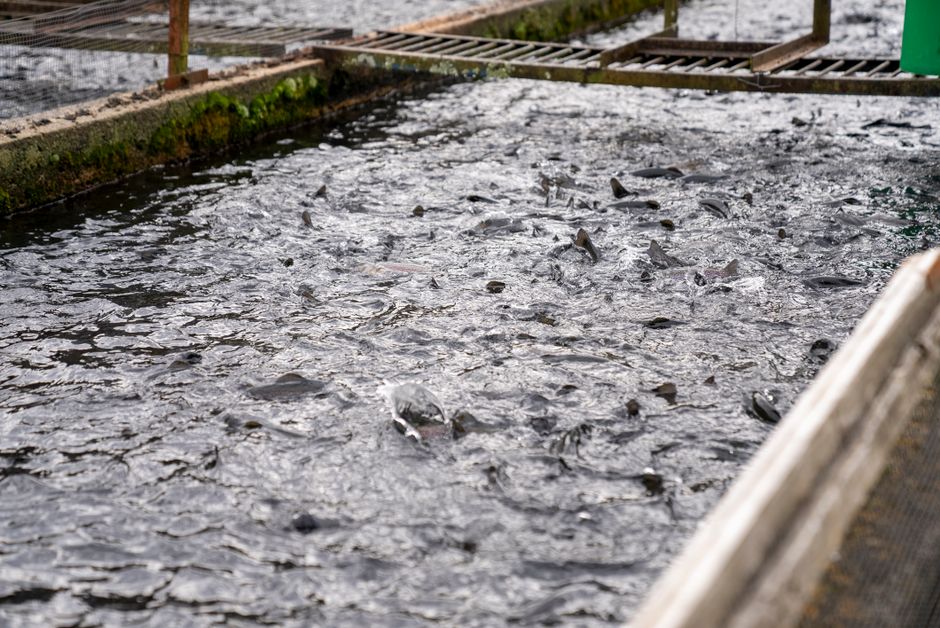
The looming fish protection order represents a critical intersection between environmental conservation and agricultural viability in the Thompson Okanagan region. If the Salmon River and Bessette Creek drop to a trickle or go completely dry, the survivability of endangered chinook salmon populations is at risk, prompting the need for regulatory intervention. However, for local farmers, the timing of such an order coincides with the peak of the growing season, creating a potential economic crisis for cattle and crop operations that rely on consistent water access. The situation highlights a systemic infrastructure gap: while water is available in the region, the lack of adequate storage facilities means it cannot be retained for agricultural use when drought conditions persist. This conflict underscores the tension between immediate ecological protection measures and long-term water management strategies required to sustain the local farming industry.
Local Vancouver / Burnaby Context
This story focuses on the Salmon River Valley and Bessette Creek areas near Falkland in the Thompson Okanagan region, which is geographically distinct from the Greater Vancouver and Burnaby housing markets. The primary issues involve agricultural water rights, drought management, and fish protection orders in a rural interior setting. There is no direct impact on Burnaby or Vancouver real estate, zoning, or housing supply. The local context is specific to the agricultural sector in the Shuswap region and the regulatory framework managed by the Ministry of Water, Land and Resource Stewardship. While water scarcity can influence regional economic stability, the specific mechanisms of fish protection orders and dam construction in the Salmon River Valley do not transmit to the urban housing market in Metro Vancouver.
Market Impact
The immediate market impact is confined to the agricultural sector in the Salmon River Valley and Bessette Creek watersheds. Farmers face potential revenue loss if water access is cut off during the critical growing season, affecting cattle feed and crop production. For the broader real estate market, there is no direct impact on residential or commercial property values in Burnaby or Vancouver. However, prolonged drought conditions in agricultural regions can contribute to broader regional economic pressures, potentially affecting local service economies in towns like Salmon Arm and Falkland. The situation does not influence mortgage rates, housing inventory, or buyer sentiment in the Greater Vancouver area.
Investor / Buyer Takeaway
This story is specific to agricultural water management in the Thompson Okanagan and does not impact Greater Vancouver real estate investments. - Buyers and investors in the Shuswap region should monitor drought conditions and fish protection orders as they may affect agricultural land viability and water rights. - Farmers in the area should prepare for potential irrigation restrictions and consider long-term water storage solutions to mitigate drought risks. - No direct action is required for Vancouver or Burnaby real estate investors based on this specific agricultural news. - Monitor provincial announcements regarding water storage infrastructure projects in the interior for potential long-term regional economic shifts.
Builder / Developer Perspective
The story concerns agricultural water infrastructure and fish protection orders in the Salmon River Valley, which is unrelated to urban residential or commercial development in Burnaby or Vancouver. There is no direct impact on builder feasibility, permitting, or construction costs in the Greater Vancouver area. The regulatory challenges cited, such as dam safety regulations, are specific to rural water management and do not apply to urban development projects in Metro Vancouver.
Risk Factors
Agricultural operations in the Salmon River Valley face significant financial risk if water access is cut off by a fish protection order during the growing season. - Drought conditions may lead to the complete drying of the Salmon River and Bessette Creek, threatening both fish populations and water availability for farms. - Regulatory red tape around dam safety may delay the construction of necessary water storage infrastructure, exacerbating the water management crisis. - Farmers may face long-term economic instability if drought conditions persist and water storage solutions are not implemented in time. - The potential activation of the AgriRecovery program under an emergency declaration indicates the severity of the economic threat to local producers.
BurnabyHouse Insight
The crisis in the Salmon River Valley highlights the fragility of agricultural water supplies in British Columbia's interior under changing climate conditions. While the immediate focus is on the tension between fish protection and farming needs, the underlying issue is the lack of proactive water storage infrastructure. The BC Cattlemen’s Association and local farmers are pushing for dam construction to manage water flows, a solution that has been delayed by regulatory hurdles. This situation serves as a reminder of the broader challenges facing rural British Columbia, where water scarcity can have cascading effects on local economies and ecosystems. For urban observers, it underscores the importance of regional water management strategies that balance ecological conservation with agricultural sustainability.
Community
Questions, Answers & Comments
Ask a question, add context, or leave a comment. Public posts appear after review.
No public questions or comments yet. Be the first to ask.