Toys "R" Us Canada Files for CCAA Protection Amid $160M Debt, 57 Store Closures
Key Takeaways
- What happened
- Toys "R" Us Canada has filed court documents in the Ontario Superior Court of Justice to seek protection from its creditors under the Companies’ Creditors Arrangement Act (CCAA).
- Location
- Brampton, Ont.
- Key points
-
- The filing highlights the severe liquidity and working-capital constraints facing traditional…
- Toys "R" Us Canada announced seeking protection from creditors Tuesday
- Toys "R" Us Canada closed 57 stores in the past 12 months
- Local impact
- While Toys "R" Us Canada's operations are headquartered in Brampton, Ontario, the retailer's national footprint has historically included locations in the Greater Vancouver area. The closure of 57 stores in the past 12 months likely impacts consumer access to the brand across all Canadian provinces, including British Columbia. For Metro Vancouver buyers, sellers, developers and investors, watch financing cost, transaction pace, supply mix and policy expectations.
- Who should watch
- - Consumers with outstanding gift cards should be aware that the company is seeking court approval to honor them for only 14 days, necessitating immediate action to use or redeem them.
Generating audio…


What Happened
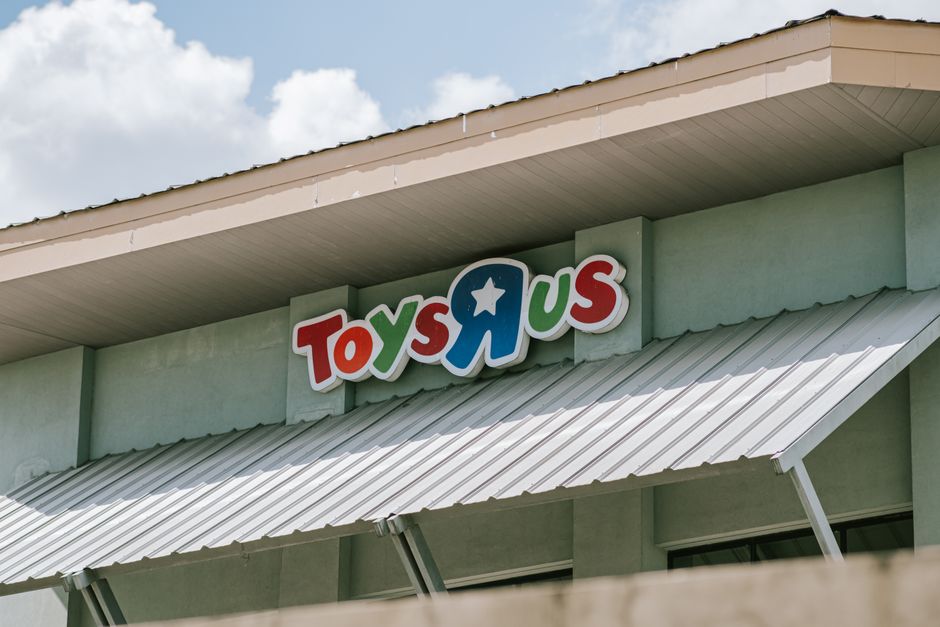
Toys "R" Us Canada has filed court documents in the Ontario Superior Court of Justice to seek protection from its creditors under the Companies’ Creditors Arrangement Act (CCAA). The retailer is grappling with $160 million in total debts, which includes $120 million owed to merchandise vendors, $26 million to service providers, nearly $5 million in unpaid rent and property taxes, and more than $8 million owed to various other entities. Additionally, the company faces $36 million in outstanding gift card obligations and is seeking court approval to honor these cards for 14 days. The financial strain has forced the retailer to close 57 stores over the past 12 months, leaving only 22 locations remaining across Canada. Doug Putman, the Canadian entrepreneur who purchased the 81 Canadian stores from Fairfax Financial Holdings Ltd. in 2021, is attempting to buy some of the retailer's assets to keep the business open or rebrand the chain. Fairfax Financial Holdings Ltd. originally bought the Canadian assets for approximately $300 million before Putman Investments acquired the operating stores. While the U.S. parent company filed for bankruptcy in 2017, the Canadian entity is currently evaluating strategic alternatives during the CCAA proceedings. All currently active stores will remain open during this restructuring process.
Why It Matters
The filing highlights the severe liquidity and working-capital constraints facing traditional brick-and-mortar retailers in Canada. With revenue declining due to increased competition from big-box stores and online retailers, the brand's footprint has shrunk dramatically from its peak of 103 stores. The potential rebranding or asset sale represents a critical juncture for the legacy toy retailer, which was founded by Charles Lazarus in the late 1950s. The outcome of these CCAA proceedings will determine whether the remaining 22 stores can continue operating under the Toys "R" Us name or if the brand will be dismantled or rebranded entirely. The company's initiatives to reduce its retail footprint are aimed at better positioning the business in today's retail environment, but the scale of debt suggests a difficult road ahead for the remaining operations.
Local Vancouver / Burnaby Context
While Toys "R" Us Canada's operations are headquartered in Brampton, Ontario, the retailer's national footprint has historically included locations in the Greater Vancouver area. The closure of 57 stores in the past 12 months likely impacts consumer access to the brand across all Canadian provinces, including British Columbia. For local consumers in Burnaby and Vancouver, the remaining 22 stores serve as the last physical touchpoints for the brand, which once had a ubiquitous presence in Canadian shopping malls. The restructuring process underscores the broader trend of retail consolidation and the challenges legacy brands face in adapting to digital commerce and shifting consumer demands. The potential rebranding or asset sale by Putman Investments could result in a complete transformation of the brand's identity in the Canadian market, affecting not just toy shoppers but also the broader retail landscape in major urban centers.
Market Impact
The CCAA filing and potential rebranding signal a continued contraction in the traditional toy retail sector. For the remaining 22 stores, the immediate impact is operational uncertainty, though all locations will remain open during the proceedings. The sale of assets to Putman Investments may lead to changes in inventory, pricing, or store formats as the new owner evaluates strategic alternatives. For the broader market, the restructuring highlights the financial fragility of retailers with high debt loads and declining revenues. The $36 million in gift card obligations adds a layer of complexity, as honoring these liabilities impacts consumer confidence and cash flow. The situation may also affect supplier relationships, given the $120 million owed to merchandise vendors, potentially leading to tighter credit terms for other retailers in the sector.
Investor / Buyer Takeaway
- Consumers with outstanding gift cards should be aware that the company is seeking court approval to honor them for only 14 days, necessitating immediate action to use or redeem them.
- Shoppers should monitor the status of the remaining 22 stores, as asset sales or rebranding could lead to further closures or changes in product offerings.
- Investors in the retail sector should note the severe liquidity constraints facing legacy brands, indicating higher risk in traditional brick-and-mortar models competing with online retailers.
- Potential buyers of Toys "R" Us Canada assets should evaluate the $160 million debt load and the challenges of repositioning the brand in a competitive market.
- Suppliers owed $120 million should be prepared for potential losses or extended payment terms as the company undergoes restructuring.
Builder / Developer Perspective
The restructuring of Toys "R" Us Canada does not directly impact local construction or development projects, as the company is a retailer rather than a developer. However, the closure of 57 stores in the past 12 months may lead to vacant commercial properties in shopping centers across Canada, including those in the Greater Vancouver area. These spaces could potentially be repurposed for other retail or commercial uses, influencing local real estate markets. The financial distress of the retailer highlights the importance of robust tenant mix strategies for shopping center owners to mitigate the risk of anchor tenant failures.
Risk Factors
- Further store closures beyond the 57 already closed, reducing the brand's national presence and consumer access.
- Potential failure to honor gift card obligations, leading to consumer backlash and legal challenges.
- Uncertainty in the outcome of the CCAA proceedings, which could result in a complete liquidation of assets rather than a rebranding.
- Continued financial strain from high debt levels, limiting the company's ability to invest in inventory or store improvements.
- Increased competition from online retailers and big-box stores, further eroding market share and revenue.
BurnabyHouse Insight
The Toys "R" Us Canada filing is a stark reminder of the fragility of legacy retail brands in the digital age. While the brand's history is deep, its current financial state reflects the broader challenges of adapting to e-commerce and changing consumer habits. For local readers, the remaining 22 stores are a dwindling resource, and the potential rebranding or asset sale by Putman Investments could signal the end of the Toys "R" Us era in Canada. The situation also underscores the importance of consumer caution regarding gift cards and the broader economic pressures facing traditional retail. As the CCAA proceedings unfold, the focus will be on whether the brand can be salvaged or if it will be dismantled, with significant implications for the Canadian retail landscape.
Community
Questions, Answers & Comments
Ask a question, add context, or leave a comment. Public posts appear after review.
No public questions or comments yet. Be the first to ask.