Vancouver Council Approves Jericho Lands Plan and Mega-Tower Rezoning
Key Takeaways
- What happened
- Vancouver City Council has approved two major development initiatives that signal a continued acceleration of high-density construction in the city.
- Location
- Global markets / U.S. (indirect for Metro Vancouver)
- Key points
-
- The approval of the Jericho Lands official community plan and the Holborn Group's downtown…
- Vancouver byelection results
- WHO: The two newcomers Sean Orr and Lucy Maloney voted for the Jericho Lands official plan.
- Local impact
- Vancouver's development landscape is currently defined by a tension between aggressive density targets and community pushback. The Jericho Lands, located on the traditional territory of the Musqueam, Squamish, and Tsleil-Waututh Nations, has been a focal point for this debate. For Metro Vancouver buyers, sellers, developers and investors, watch financing cost, transaction pace, supply mix and policy expectations.
- Who should watch
- ['Monitor the Jericho Lands development for early pricing signals, as the 65-building project will set a benchmark for Point Grey real estate.', "Consider the downtown mega-tower's impact on hotel and short-term rental markets, as the…



What Happened
Vancouver City Council has approved two major development initiatives that signal a continued acceleration of high-density construction in the city. On April 22, the council adopted the official community plan for the Jericho Lands, a large-scale housing project on Point Grey that will feature 65 residential buildings ranging from 25 to 60 storeys. This vote was heavily influenced by the recent Vancouver byelection, which brought in two new councillors, Sean Orr and Lucy Maloney, who both supported the plan.
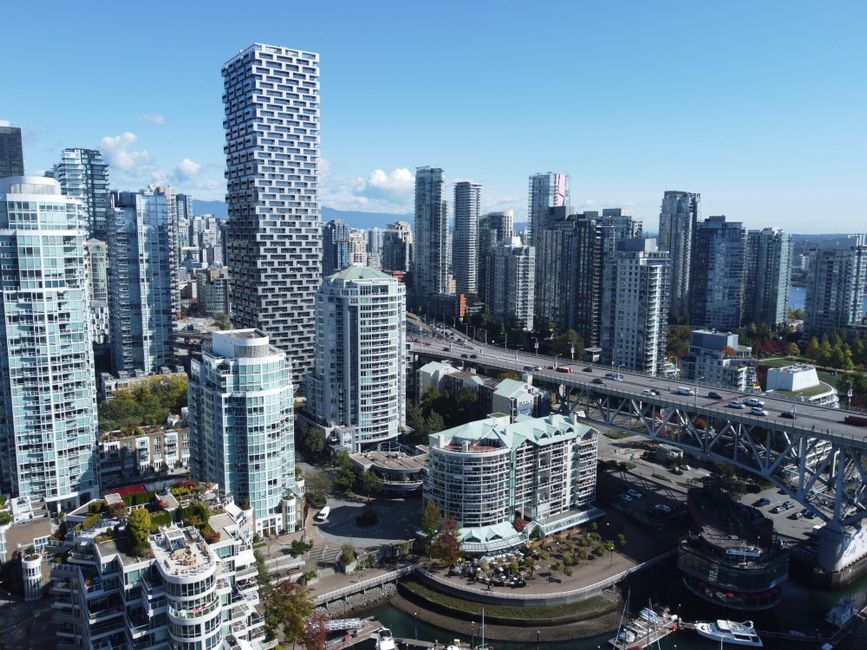
Separately, the council approved a rezoning application by the Holborn Group for a trio of towers in downtown Vancouver bounded by Georgia, Seymour, Dunsmuir, and Richards streets. The project includes one 79-storey tower and two 68-storey towers, with the tallest structure designated as a hotel that would stand 315 metres high. The approval passed in a 7-3 vote, marking one of the most ambitious private development proposals in the city's recent history.
These approvals come as the city navigates a shift in political dynamics following the byelection. The new council majority, bolstered by the votes of Orr and Maloney, has moved toward supporting mega-highrise development despite previous debates over density and affordability. Proponents argue these projects are essential for accommodating population growth, while critics have raised concerns about the strain on public amenities and the pace of construction.
Why It Matters
The approval of the Jericho Lands official community plan and the Holborn Group's downtown towers represents a significant pivot in Vancouver's urban development strategy. The Jericho Lands project alone will introduce 65 residential buildings, fundamentally altering the skyline and density of the Point Grey neighbourhood. This scale of development is critical for the city's housing supply goals, but it also intensifies the debate over infrastructure capacity and neighbourhood character.
The downtown mega-tower approval further cements Vancouver's trajectory toward extreme verticality. The 315-metre hotel tower would become Western Canada's tallest, setting a new precedent for building heights and design in the city. The political support for these projects, particularly from newly elected councillors, suggests a consensus that high-density development is the primary mechanism for addressing housing needs, despite ongoing public resistance and concerns about affordability.
These decisions also highlight the growing influence of political shifts on development outcomes. The byelection results directly impacted the council's voting balance, enabling the approval of projects that might have faced steeper opposition under previous leadership. This underscores the fragility of development timelines and the importance of political alignment in shaping the city's physical landscape.
Local Vancouver / Burnaby Context
Vancouver's development landscape is currently defined by a tension between aggressive density targets and community pushback. The Jericho Lands, located on the traditional territory of the Musqueam, Squamish, and Tsleil-Waututh Nations, has been a focal point for this debate. The Jericho Coalition, a watchdog group, had proposed an alternative vision of mostly six-storey blocks, arguing that the current plan's density is excessive. However, the council's approval of the 25- to 60-storey range indicates a preference for maximizing housing units on the site.
Downtown Vancouver is also undergoing a transformation with the approval of the Holborn Group's towers. The project's location at the intersection of Georgia, Seymour, Dunsmuir, and Richards streets places it in a high-density corridor already shaped by SkyTrain station transit hubs. The inclusion of a 25-storey social housing component in the broader proposal aligns with city goals for affordable housing, though the primary focus remains on luxury and hotel development.
The political context is crucial here. The recent byelection introduced new councillors Sean Orr and Lucy Maloney, whose votes were pivotal in passing the Jericho Lands plan. Their support reflects a broader shift among the council majority toward facilitating mega-highrise development. This shift is occurring against a backdrop of economic volatility and a weak labour market, which have impacted B.C.'s economy in 2025. As employment conditions are expected to improve in 2026, the demand for housing may increase, making these new developments even more critical to the city's supply chain.
Furthermore, the city is grappling with the broader implications of population growth. While the federal government's cap on international student admissions and Quebec's reduced immigration targets may slow population growth, the existing demand for housing in Vancouver remains high. The approval of these mega-projects suggests that the city is betting on high-density supply to meet this demand, despite concerns that new units are expensive and may not adequately address affordability for lower-income residents.
Market Impact
The approval of the Jericho Lands plan will likely increase the supply of residential units in the Point Grey area, potentially stabilizing or lowering prices in the short term due to increased inventory. However, the high-rise nature of the development may also attract higher-end buyers, limiting its impact on affordability for middle-income households. The downtown mega-tower project will add significant hotel and residential capacity, boosting the hospitality sector and increasing demand for services in the central business district.
The construction of these towers will also impact local infrastructure, including traffic patterns and public transit usage. The increased density in Point Grey and downtown will require upgrades to utilities, roads, and public amenities to support the new population. Developers and investors may see these approvals as a signal that the city is open to large-scale projects, potentially encouraging more development applications in similar zones.
For renters and buyers, the influx of new units may provide more options, but the premium nature of many of these projects means that affordability remains a challenge. The social housing component in the Holborn proposal offers some relief, but its scale relative to the overall project is limited. Overall, the market will likely see a continued polarization between high-end developments and affordable housing shortages.
Investor / Buyer Takeaway
Monitor the Jericho Lands development for early pricing signals, as the 65-building project will set a benchmark for Point Grey real estate. - Consider the downtown mega-tower's impact on hotel and short-term rental markets, as the 315-metre tower will increase supply in a competitive sector. - Watch for infrastructure upgrades in Point Grey and downtown, as increased density will likely lead to higher property taxes and fees for existing residents. - Evaluate the affordability of new units, as high-rise developments often target premium buyers, potentially limiting options for first-time homebuyers. - Track political shifts in city council, as the recent byelection has demonstrated how new councillors can rapidly alter development outcomes.
Builder / Developer Perspective
The approvals of the Jericho Lands and Holborn Group projects signal that Vancouver City Council is willing to support large-scale, high-density developments despite community opposition. For builders and developers, this reduces regulatory uncertainty and may encourage more applications for mega-projects in similar zones. However, the scale of these projects also requires significant financing and construction capacity, which may be constrained by economic volatility and a weak labour market. Developers will need to navigate complex zoning bylaws and density bonuses to maximize returns while addressing affordability requirements.
Risk Factors
Construction delays due to economic volatility and a weak labour market in B.C. - Community opposition and legal challenges from groups like the Jericho Coalition. - Infrastructure strain in Point Grey and downtown from increased density. - Affordability concerns leading to slower sales or rental uptake for premium units. - Political shifts that could alter development approvals or zoning bylaws.
BurnabyHouse Insight
Vancouver's development trajectory is increasingly defined by political pragmatism over community consensus. The approval of the Jericho Lands and downtown mega-towers reflects a council majority that prioritizes housing supply and economic growth, even at the cost of neighbourhood character. This trend is likely to continue as population growth and economic pressures mount, forcing the city to balance density with livability. For local readers, the key takeaway is that development approvals are becoming more predictable for large-scale projects, but the social and infrastructure costs of this density will be a long-term challenge for the city.
Community
Questions, Answers & Comments
Ask a question, add context, or leave a comment. Public posts appear after review.
No public questions or comments yet. Be the first to ask.